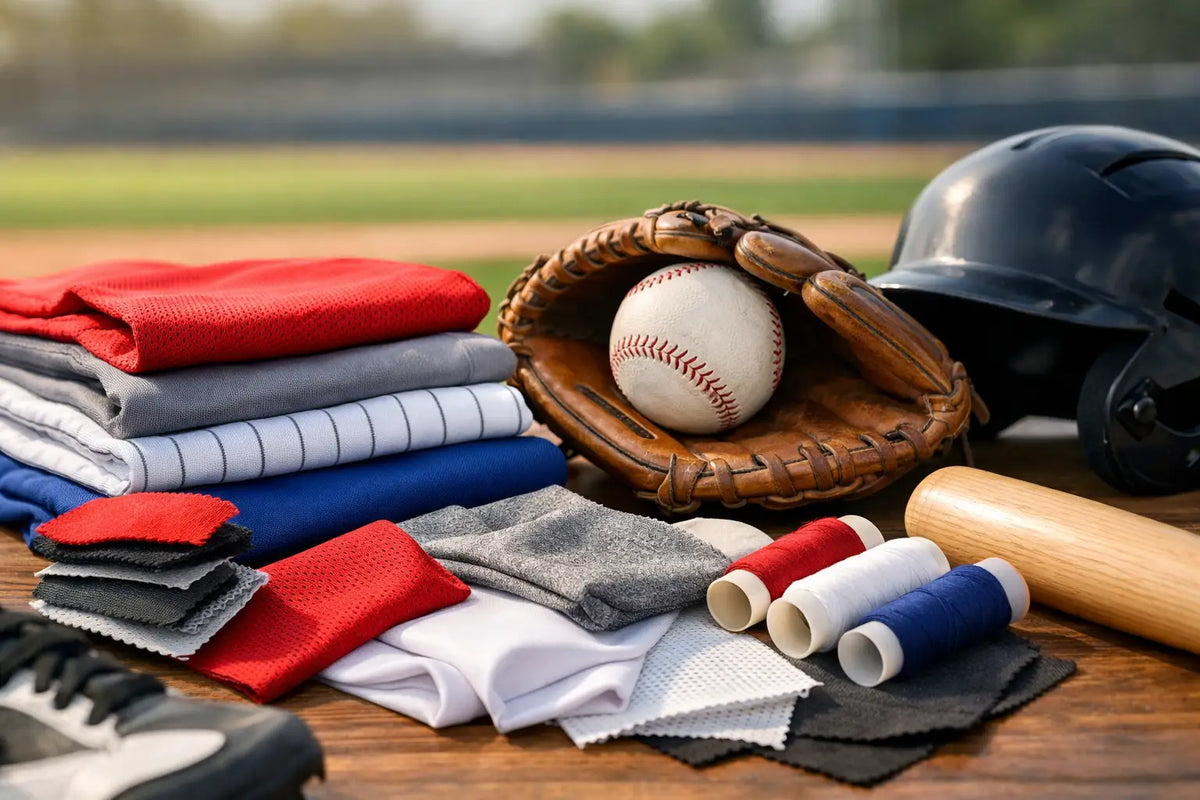
That glove did not earn its pocket sitting on a shelf. It earned it through tough hops, game-saving squeezes, rain-delay practices, and thousands of catches. A smart baseball glove care routine protects that work. Keep the leather clean, conditioned, shaped, and dry, and your glove stays ready to make the next play with confidence.
Start With the Right Mindset
Your glove is performance gear, not a piece of luggage to cram into the bottom of your bag. Dirt, sweat, moisture, and extreme heat can dry out leather, weaken laces, and flatten the pocket you worked hard to build. The goal is not to make a glove look brand-new after every practice. The goal is to keep it flexible, structured, and dependable.
Care also depends on how much you play. A player taking daily infield reps needs more attention than someone playing one weekend game a week. Catchers, first basemen, and players in wet climates may need to clean and reshape their gloves more often. Use the routine as your baseline, then adjust based on the wear your glove takes.
Your Baseball Glove Care Routine After Practice
The best time to care for a glove is right after use, before dirt and sweat settle into the leather. This does not need to become a 30-minute ritual. A few focused minutes can make a major difference over a season.
Brush Off Dirt and Field Dust
Start with a dry, soft cloth or a soft-bristle brush. Wipe down the palm, web, fingers, heel, and laces. Pay attention to the creases around the web and fingertips, where infield dirt likes to hide. If you played on a damp field, remove surface moisture right away with a clean towel.
Do not soak the glove or run it under a faucet. Water can make leather stiff as it dries, and too much moisture can distort its shape. For a stubborn muddy spot, use a slightly damp cloth, then immediately wipe the area dry. Less water is usually the better move.
Let It Air Out the Right Way
After cleaning, leave the glove open in a cool, dry space for a few hours. Never bake it in direct sun, leave it on a car dashboard, or try to speed-dry it with a hair dryer. High heat pulls moisture out of the leather fast, which can lead to cracks and a glove that feels like cardboard.
If the glove is wet from rain, pat it dry, reshape the pocket, and let it air dry naturally. It may feel a little firmer the next day, but proper conditioning can help restore flexibility. Rushing the drying process causes more damage than a little patience ever will.
Keep the Pocket Alive
Place a baseball or softball in the pocket, depending on your glove, then close the glove around it with a wrap or glove band. The wrap should be snug enough to hold the shape but not so tight that it creates hard creases in the leather.
For an infielder, keep the ball in the natural sweet spot of the pocket. For an outfielder, set it slightly deeper where you like to secure fly balls. Catchers and first basemen should shape their mitts around the area that gives them the cleanest receiving surface. Your glove should close the way your hand closes, not the way someone else says it should.
Condition Leather Without Overdoing It
Glove conditioner is useful, but more is not better. Too much oil or conditioner can make leather heavy, overly soft, and slow to respond. It can also darken the color and weaken the structure of the glove over time.
A light application every few weeks during the season is enough for most players. If your glove feels dry, looks dull, or starts to squeak when it closes, it is probably asking for some attention. Use a small amount of leather conditioner on a clean cloth and work it into the palm, fingers, heel, and web with small circles.
Avoid pouring conditioner directly onto the glove. Start with less than you think you need. You can always add a little more, but you cannot easily undo an oversaturated glove. Let the conditioner absorb, wipe away any excess, then shape the glove with a ball in the pocket.
Skip household shortcuts like shaving cream, petroleum jelly, cooking oil, or random garage products. They may make leather feel soft for a day, but they can leave residue, attract dirt, or break down the glove over time. Use products made for baseball glove leather and keep the process simple.
Check Laces Before They Become a Problem
Laces take a beating. They pull tight on hard catches, drag through dirt, and absorb sweat and rain. Once a week during heavy use, inspect the web, fingers, heel, and wrist area for fraying, stretching, or broken sections.
A lace that looks slightly worn is easier and cheaper to address than a lace that snaps during a game. If you know how to relace a glove, replace damaged sections before they fail. If not, take it to a trusted sporting goods shop or glove repair specialist. A strong glove with weak laces is not game-ready.
While checking the laces, look at the palm and finger stalls. Small scuffs are normal. Deep cracks, loose stitching, or a palm that has gone thin may signal that the glove needs repair or, eventually, replacement. Playing hard is the point. Letting preventable damage pile up is not.
Store Your Glove Like It Matters
Where your glove lives between games matters as much as what you put on it. Store it indoors in a cool, dry place with a ball in the pocket. Keep it out of direct sunlight, away from heaters, and off damp garage floors.
Do not leave it in your baseball bag for days after a wet practice. That closed, humid space traps moisture and odor against the leather. Bring it inside, let it breathe, and put it back in the bag only when it is dry.
During the offseason, clean the glove, apply a light layer of conditioner, place a ball in the pocket, and store it in a breathable bag or on a shelf. Avoid airtight plastic containers. Leather needs stable conditions, not a sauna.
Break In New Gloves With Discipline
A new glove needs reps, not abuse. The fastest-looking break-in methods often create the weakest results. Avoid microwaves, ovens, hot water treatments, and driving over a glove with a vehicle. Those tricks can soften leather fast, but they also break down structure, dry the material, and shorten the life of your gear.
Instead, play catch. Work the hinge points with your hands. Use a small amount of conditioner if the leather needs it, then shape the pocket around a ball after each session. It takes longer, but the glove forms around your hand and your position. That is how a glove becomes yours.
At Vi Athletics, the mindset is simple: show up prepared, play with force, and respect the gear that helps you compete. A glove that is clean, shaped, and properly cared for gives you one less thing to think about when the ball comes screaming your way.
Before your next practice, take five minutes to wipe down your glove, set a ball in the pocket, and put it where it can dry. Small habits build reliable gear. Reliable gear helps you play free. #BeAForce.