A missed sign, a hard slide, a late swing on an inside fastball - high school baseball accessories are built for those moments. The right gear does more than look good in the dugout. It protects your body, keeps your routine tight, and lets you compete without thinking about what might go wrong.
High school ball moves fast. Players are balancing classes, workouts, travel, practices, and game nights under the lights. Accessories should make that grind easier. They should fit right, hold up through a season, and bring confidence when the game gets physical.
High School Baseball Accessories Start With Protection
The best accessories earn their spot in your bag because they solve a real problem. Protective gear is the first place to invest, especially for players who take reps every day and face live pitching all season.
Batting Gloves That Stay Ready
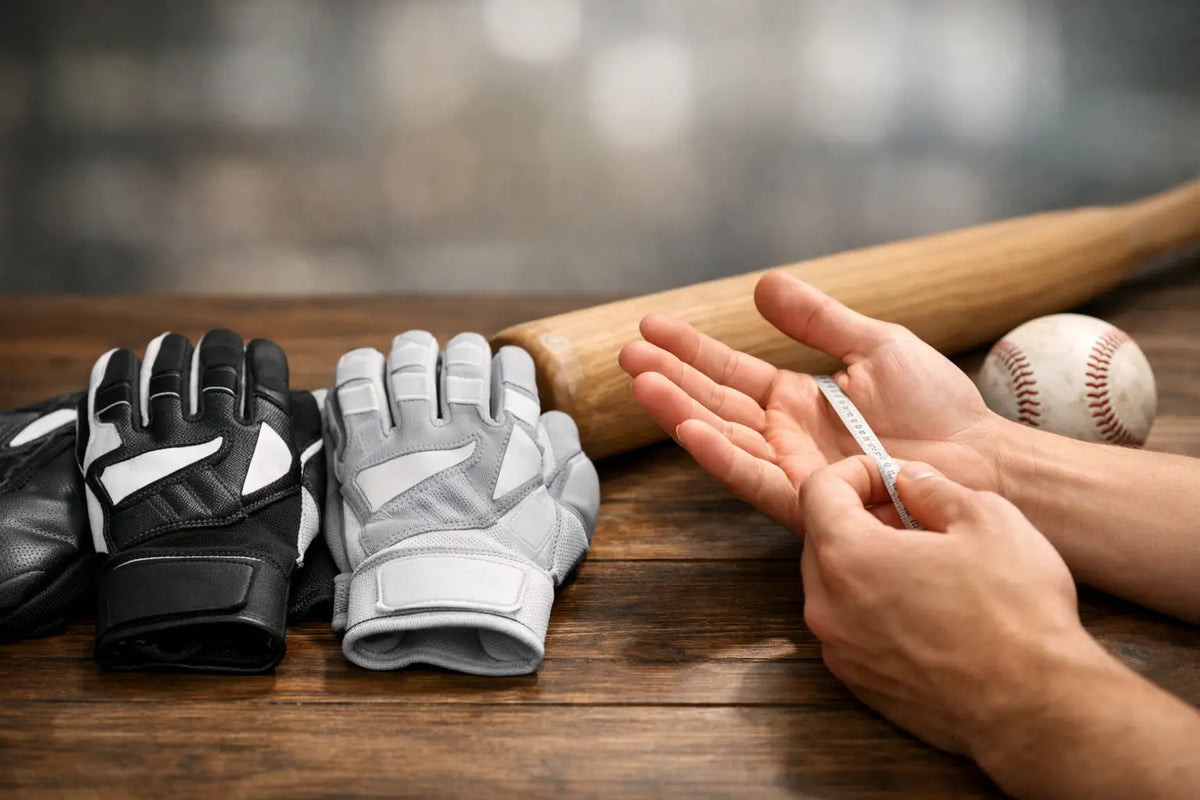
Batting gloves are not just for style. A dependable pair helps reduce friction, improves grip, and gives hitters a more connected feel on the bat. That matters when your hands are sweaty in August, cold in March, or worn down after a long cage session.
Look for a secure wrist closure and palms that can handle repeated swings without getting slick or thin too quickly. The fit should feel snug, not restrictive. If material bunches in the palm or fingertips, it can distract you at the plate. A clean fit gives you one less thing to manage when the count gets tough.
It can be smart to keep a backup pair in your bag. Rain, sweat, and daily use can turn a good pair of gloves into a liability at the wrong time. One pair for games and one for training is a simple move that keeps your gear rotation strong.
Elbow Guards for Confident Swings
An elbow guard changes how some hitters approach the inside part of the plate. It is not an excuse to crowd the dish carelessly. It is protection that lets a player stay committed to their stance, track the ball longer, and avoid bailing out on pitches that run in.
Fit matters more than bulk. A guard that slides around when you swing creates distraction, while one that is too large can restrict movement. Test it through your full swing before game day. You want protection that stays planted through the load, turn, and finish.
The trade-off is personal. Some players like the free feel of minimal gear, while others want more coverage against high-velocity pitching. Choose what helps you compete with conviction, not what looks toughest in the mirror.
Sliding Protection Is a Smart Play
Aggressive base running is part of winning baseball, but hard slides add up. Sliding mitts and protective gear can help protect fingers and hands when you are stealing bags, taking an extra base, or diving back on a pickoff attempt.
This is especially useful for players who are active on the bases or play on rougher fields. A hand injury can take away swings, throws, and practice time. Protection is not soft. Missing games because you got careless is.
Build a Bag That Handles the Grind
A high school season can expose weak gear quickly. One wet practice, a weekend tournament, or a few extra bullpen sessions can leave your bag disorganized and your equipment in rough shape. The goal is not to carry every accessory on the market. It is to carry the pieces that keep you prepared.
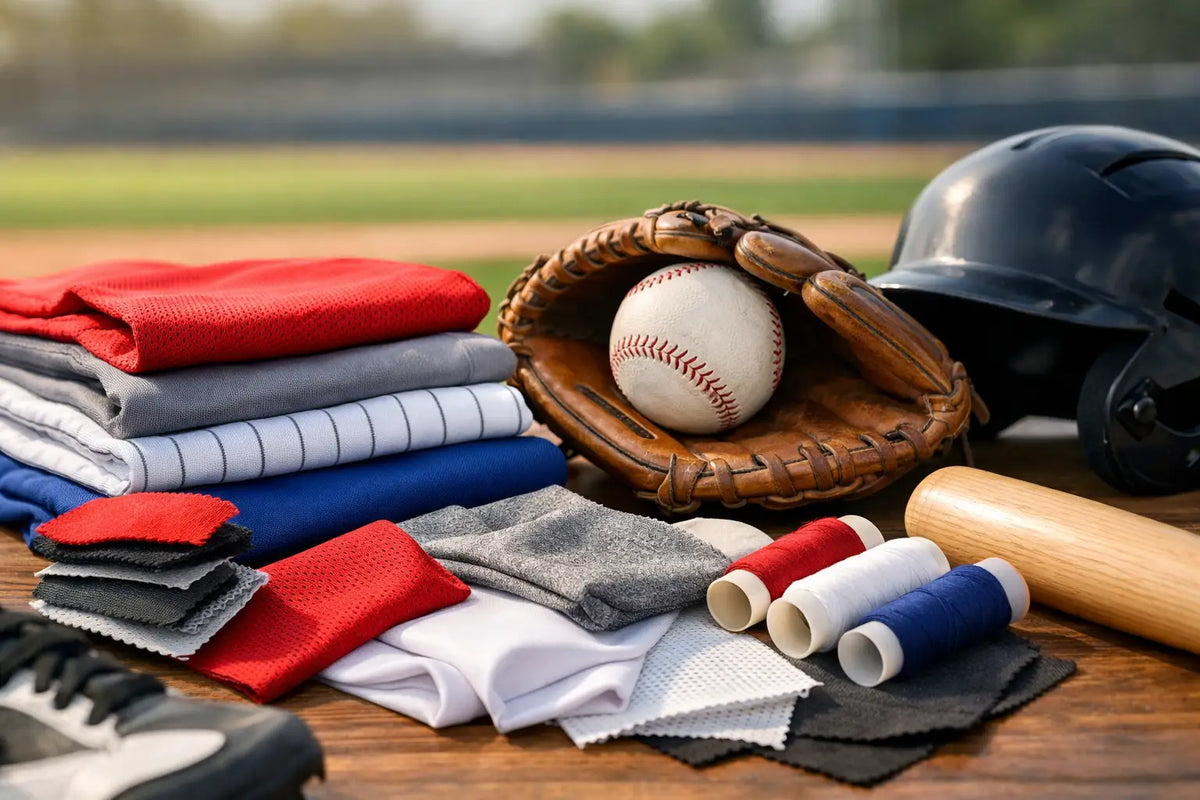
A practical game bag should include your core protective gear, a spare pair of batting gloves, athletic tape, sunscreen, a water bottle, and a small towel. Pitchers may also want grip supplies that follow their team and league rules, plus an extra rosin bag if their coach approves it.
Do not treat recovery items as an afterthought. A simple massage ball, resistance band, or compression sleeve can be useful for players managing the normal soreness that comes with a long schedule. They are not magic fixes for pain or injuries. If something hurts sharply, persists, or changes your mechanics, talk to your athletic trainer, coach, or medical professional. Tough players take care of problems before they become bigger ones.
Keep Your Gear Game-Ready
Good accessories last longer when you do the basic work. Air out batting gloves after games instead of leaving them packed in a damp bag. Wipe dirt and sweat off guards. Replace worn straps before they fail. Check your glove laces and cleats regularly rather than discovering an issue during pregame.
That routine takes minutes. It also tells you something about the kind of player you are becoming. Prepared athletes do not scramble for gear when the bus leaves. They are ready before the call comes.
Style Is Part of the Statement
High school baseball is performance first, but there is nothing wrong with looking like you came to compete. Your colors, glove choice, accessories, and overall setup are part of your presence. The key is making style work for your game instead of letting it become the whole point.
Choose pieces that match your team rules and stay functional under pressure. Flashy gear that slips, breaks, or gets in the way is not swag. Gear that performs in the cage, stays locked in during a doubleheader, and still looks sharp under the lights? That is different.
Players do not need to copy everyone else to stand out. A clean, consistent look can carry more confidence than a bag full of random colors and worn-out equipment. Find what fits your identity, then own it. Vi Athletics is built around that mix of quality performance gear and the confidence to #BeAForce when the game is on the line.
What to Prioritize Before Buying
Not every player needs the same setup. A middle infielder who steals bases may get more value from sliding protection than a power hitter who rarely runs. A catcher has different needs than an outfielder. A player getting regular varsity at-bats may need a second set of batting gloves sooner than someone playing limited innings.
Before adding an accessory, ask three questions: Does it protect me? Does it help me perform? Will I actually use it consistently? If the answer is no to all three, it probably belongs on the wish list, not in the cart.
Start with fit and durability. A lower-priced accessory that needs replacing after a month is not always the better deal. At the same time, the most expensive option is not automatically the right one. You are looking for equipment that matches your role, your frequency of play, and your budget.
A Strong Starter Setup
For most high school players, a solid accessory setup starts with quality batting gloves and the protective gear that matches their position and style of play. Add a protective elbow guard if inside pitches affect your confidence, sliding protection if you are aggressive on the bases, and simple recovery tools if you train frequently.
From there, build with purpose. Do not wait until a tournament weekend to realize your gloves are worn out or your guard no longer fits. Try new equipment in practice first. Get comfortable with it during tee work, batting practice, and drills, so it feels natural when the game speeds up.
The accessory that matters most is the one that lets you focus on the next pitch. Pack with purpose, wear gear that fits, and show up ready to make the play nobody else is prepared to make.