Showing up with talent is great. Showing up with the right gear is better.
If you're asking what equipment do you need for baseball, the real answer depends on where you play, how often you compete, and what position you own. But there is a clear starting point. Every player needs a core setup that covers performance, protection, and comfort. Once that base is handled, you can add position-specific gear and the extras that give you more confidence when the game speeds up.
What equipment do you need for baseball first?
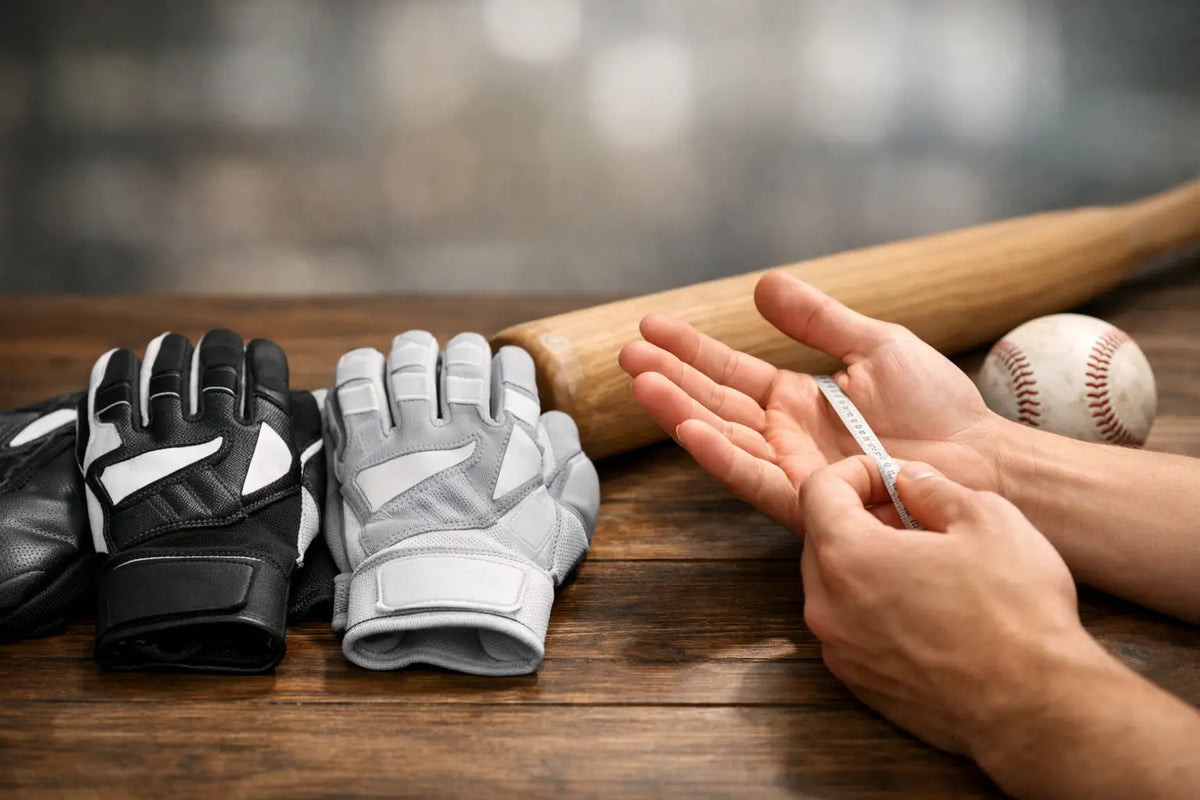
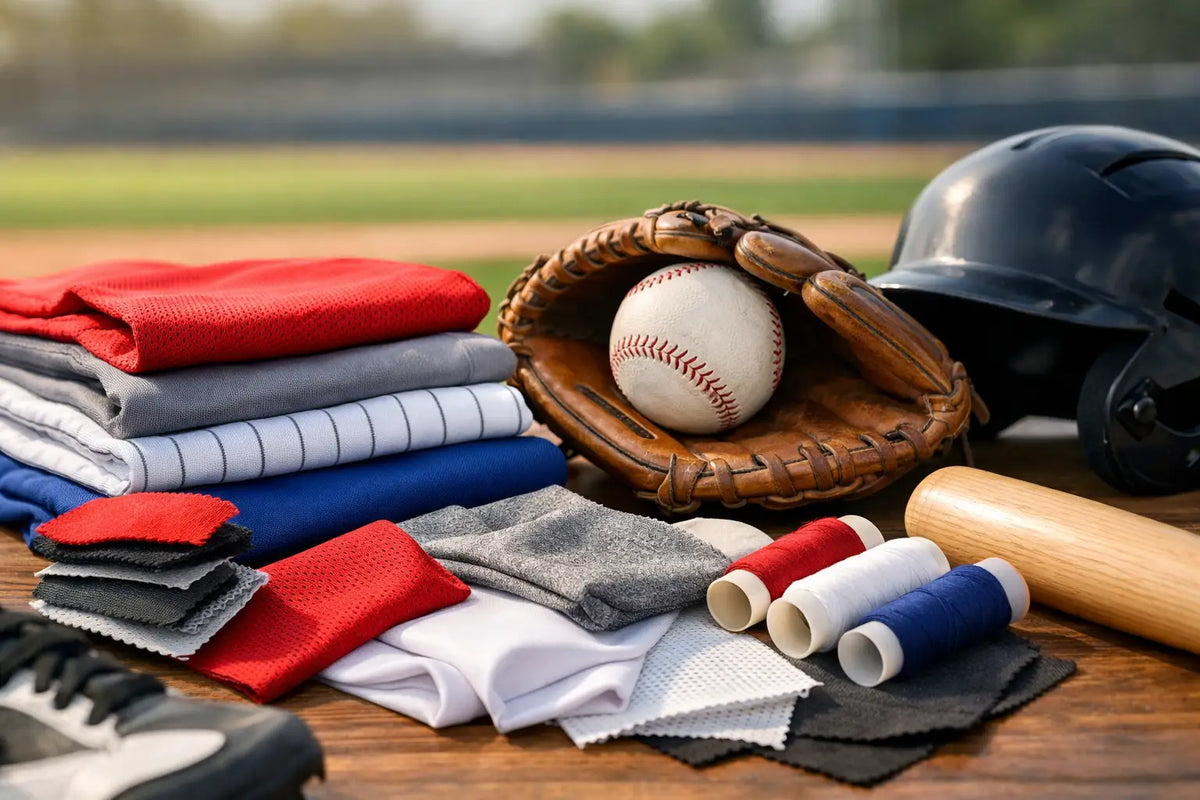
Start with the gear that every player is most likely to use. That means a glove, a bat, batting helmet, cleats, baseball pants, and some form of athletic support gear like a cup or compression layer. For most players, batting gloves also move from optional to essential pretty quickly because they help with grip, sting reduction, and overall feel at the plate.
This is the baseline. Without it, you're either borrowing gear, risking comfort, or stepping on the field half-ready. Baseball is a skill sport, but it's also a details sport. The right equipment helps you play free instead of thinking about what feels off.
The glove
Your glove is not just another item in the bag. It's your main tool on defense, and it has to match your position and age level. Infield gloves are usually smaller and built for quick transfers. Outfield gloves have more length to help track and secure the ball. First base mitts and catcher's mitts are specialized and should be treated that way.
Fit matters more than players think. A glove that's too stiff, too big, or poorly broken in can turn routine plays into stressful ones. Younger athletes especially need a glove they can actually close. A premium look means nothing if the player can't control it.
The bat
Not every bat is legal for every league, so this is where parents and players need to pay attention. Youth leagues may require USA Baseball bats. Many travel programs use USSSA. High school and college play follow BBCOR standards. Buying the wrong stamp is one of the easiest mistakes to make.
Then comes size and feel. A heavier bat may have more pop for a stronger player, but if it slows the swing down, it's the wrong bat. The best bat is the one a player can control through the zone with confidence. Clean contact beats chasing the hottest model every time.
The batting helmet
A helmet is non-negotiable. It needs to fit snug, sit level, and stay secure without sliding around. Some leagues also require face guards or jaw protection, especially at younger levels.
A bad helmet fit is more than annoying. It can affect vision, comfort, and confidence in the box. When a player feels exposed, their swing changes. Protection should help you attack, not make you hesitate.
Cleats
Baseball cleats give you traction for explosive first steps, sharp cuts, and controlled movement on dirt and grass. Molded cleats are common for youth players and many recreational leagues. Metal cleats are often allowed at older levels, but league rules matter here too.
Comfort is a big deal. Cleats that pinch, slide, or wear down fast will show up in your footwork. You want a pair that feels stable and game-ready from warmups through the last inning.
Baseball protective gear that actually matters
A lot of players focus on the obvious gear and overlook protection until they get jammed by a fastball or take a bad hop. That's usually when the shopping gets serious.
Batting gloves are one of the most common pieces of baseball gear for a reason. They improve grip, reduce friction, and help players feel more connected to the bat. For some hitters, they also bring a mental edge. You step in feeling locked in, not distracted.
Elbow guards are another smart add, especially for players who crowd the plate or face better velocity. They protect against hit-by-pitches and can make hitters more comfortable staying aggressive inside. That's not soft. That's smart.
Many players also wear sliding shorts, compression gear, or a protective cup. These are not flashy purchases, but they matter. Baseball has too many awkward collisions, dives, and bad bounces to ignore protection where it counts.
For catchers, the gear list gets bigger
Catcher is its own category. If you catch regularly, you need a catcher's mitt, chest protector, shin guards, helmet or mask, and usually a throat guard depending on the setup. A cup is essential here, not optional.
This is one position where cutting corners makes no sense. Catchers take foul tips, blocks, collisions, and repeated wear across every inning. The gear has to hold up and fit correctly. If it shifts or leaves gaps, the player feels it immediately.
What equipment do you need for baseball by position?
The basics cover everyone, but position adds another layer.
Infielders usually benefit from a smaller glove, cleats with strong lateral support, and batting gloves that hold up through quick defensive transitions and repeated at-bats. Outfielders may prefer a longer glove with deeper pocket control, especially for tracking balls at full speed.
Pitchers need a glove that feels natural and secure, plus cleats that support repeated push-off and balance on the mound. They also need to think about comfort under pressure. If something feels distracting, it gets worse as pitch count climbs.
First basemen and catchers need specialized mitts. Utility players often need the most versatile setup of all because they move around and can't afford gear that only works in one spot.
If you're buying for a young player who is still rotating positions, don't over-specialize too early. Get quality core gear first. Let the game tell you what comes next.
Practice gear vs. game gear
This is where smart players save money and extend the life of their equipment.
You do not always need to use your best gear for every rep. Many players keep one setup for games and another for cages, backyard work, or team practice. Batting gloves wear down. Pants get dirty fast. Practice balls get scuffed. Even a favorite bat can take a beating if it's used for every session without a plan.
That does not mean buying double of everything. It means understanding what gets abused and what needs to stay sharp. If you train a lot, rotation matters.
A solid equipment bag also becomes part of the system. It keeps gear organized, protects helmets and gloves, and makes sure nothing gets left behind on game day. A messy bag leads to missing gear, crushed snacks, and one batting glove somehow disappearing every week.
How to choose baseball equipment without wasting money
The wrong approach is buying the most expensive version of everything and hoping that solves it. The right approach is buying gear that matches the player's level, body size, league rules, and frequency of use.
For younger players, durability and fit usually matter more than brand hype. For older athletes, feel and performance become more important because small differences show up faster. A serious high school player may need a better bat and more protective gear than a recreational youth player who is still learning the basics.
There is also a style factor, and that matters more than some adults admit. When players feel good in their gear, they tend to carry themselves differently. That's part of being game-ready. Swag without function is empty, but function with confidence is a real advantage.
If you're building a setup, start with what the player must have to safely practice and compete. Then upgrade the pieces that affect performance the most. For many players, that means glove fit, bat legality and feel, reliable batting gloves, and protection that helps them stay aggressive. That's a strong foundation.
The gear checklist that keeps you ready
If you want the short answer to what equipment do you need for baseball, here it is in plain terms: glove, bat, helmet, cleats, baseball pants, athletic support, and the right protective gear for your role. Add batting gloves for grip and comfort, and position-specific equipment if you catch or play a specialized spot.
What you do not need is random gear piled into a bag with no purpose. Every piece should earn its place. The best baseball setup is not the biggest one. It's the one that helps you play fast, stay protected, and walk onto the field ready to compete.
At Vi Athletics, that mindset is simple - gear up with purpose, trust your setup, and #BeAForce. The right equipment won't replace work, but it will let your work show.
Next time you pack your bag, ask one question: does this gear help me play stronger, safer, and more confident? If the answer is yes, you're on the right track.