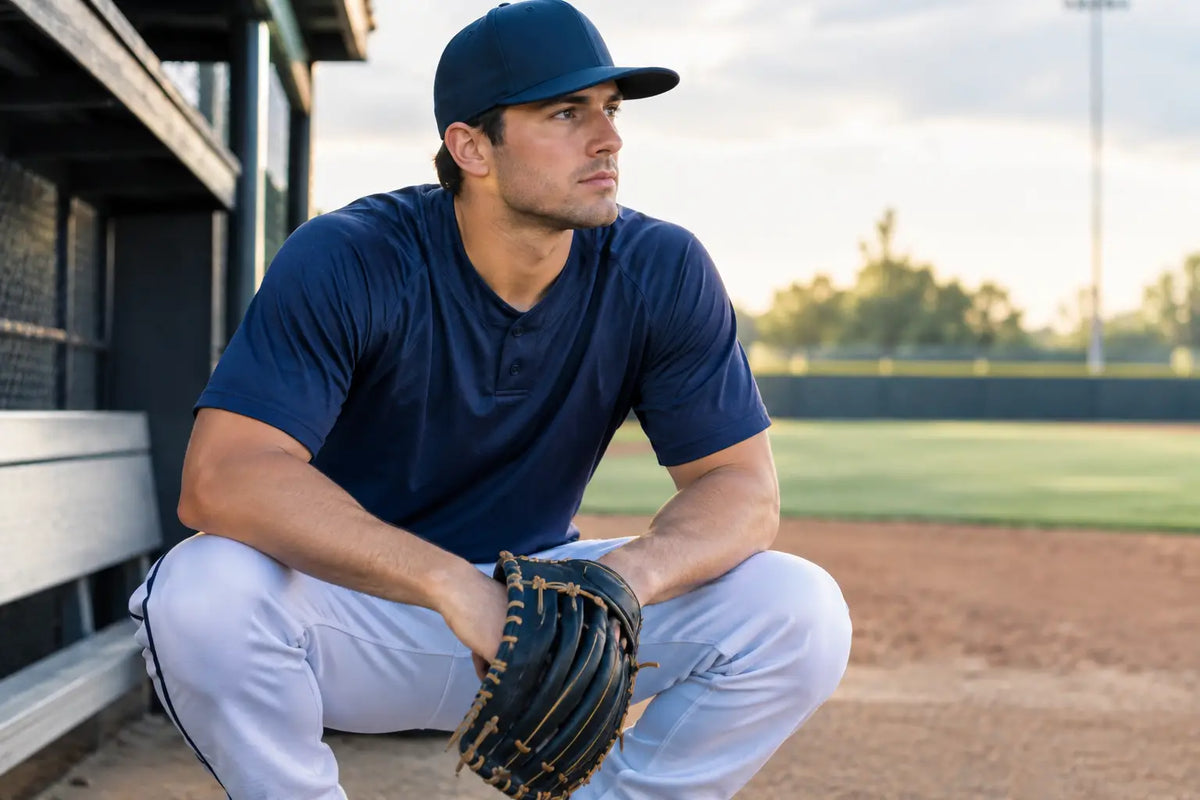
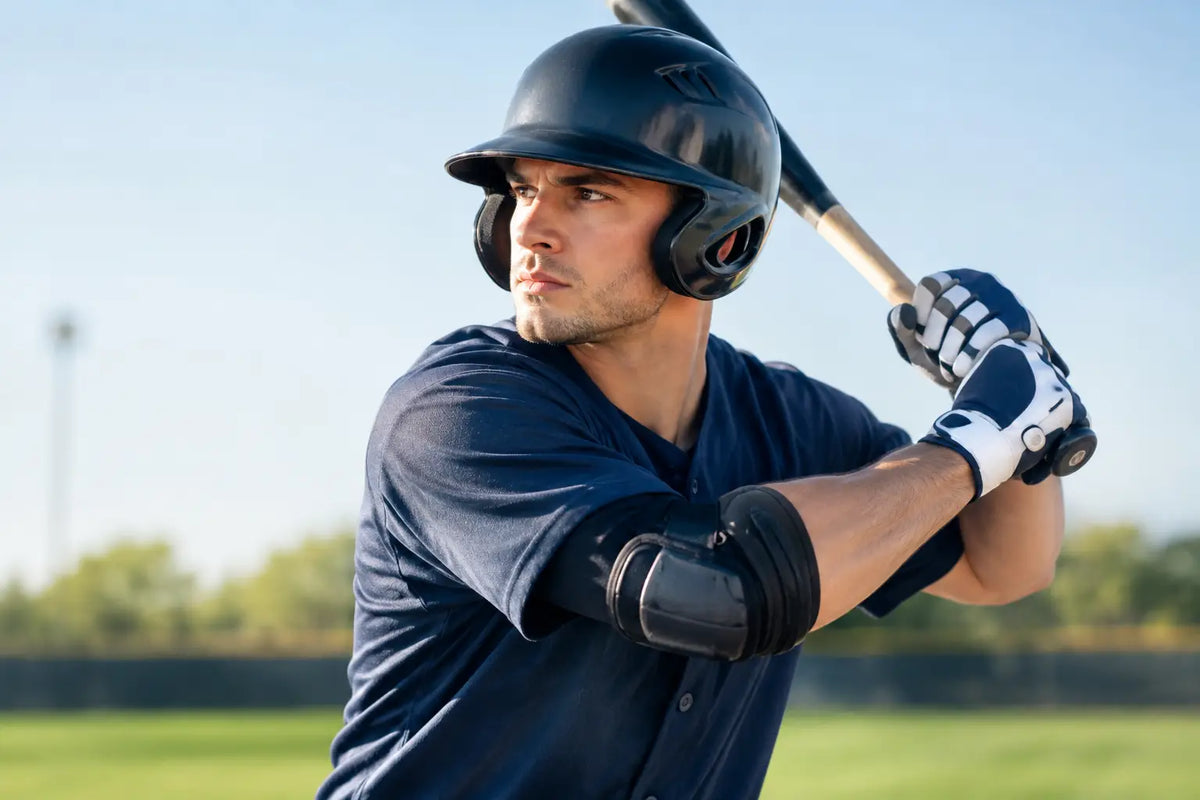
That first clean catch, the first hard line drive, the first time a young player walks onto the field feeling like they belong - gear matters. The best baseball equipment for youth does more than check a league requirement. It helps kids move better, stay protected, build confidence, and play with real presence.
Parents usually feel the pressure fast. There is a long shopping list, a wide price range, and plenty of gear that looks great online but does not fit a growing player in real life. Youth players feel it too. They want equipment that performs, but they also want gear that looks sharp and feels like theirs. The right setup lives in that sweet spot between function, comfort, and swagger.
What the best baseball equipment for youth really needs to do
Youth baseball gear should fit the player first, not the hype. A glove that is too stiff, a bat that is too heavy, or batting gloves that slide around in the box can mess with mechanics and confidence before a game even gets going.
The best picks usually do three things well. They protect without getting in the way, they match the player’s age and size, and they hold up through practices, cages, and game days. That last part matters more than many families expect. Kids grow fast, but cheap gear that breaks early is not a value play.
There is also an it depends factor that parents should keep in mind. A rec league beginner does not need the same setup as a travel ball player logging multiple games a weekend. Start with role, skill level, and frequency of use. Then spend where performance and safety matter most.
Start with the glove
If there is one piece of equipment that shapes a young player’s experience, it is the glove. A good youth glove should be easy to close, light enough to control, and sized correctly for the player’s position and age. Too many young athletes end up with a glove they can barely squeeze, which turns routine catches into a fight.
In younger age groups, softer materials often make more sense than overly stiff premium builds. A glove that breaks in faster helps players build trust in their hands. As players get older and stronger, more structure can be a good thing, especially for infielders who need quick transfers or outfielders tracking fly balls.
Fit matters just as much as web style or brand name. The wrist should feel secure without cutting off movement, and the glove should not overwhelm the hand. If a player is between sizes, the better choice is usually the one they can control right now, not the one they might grow into by next season.
The bat should match the player, not the wish list
Bats get a lot of attention, and for good reason. But youth players do not need the hottest-looking model if they cannot swing it on time. The best baseball equipment for youth includes a bat that supports clean mechanics and confidence at the plate.
For younger hitters, balance often matters more than raw barrel size. A lighter-feeling bat can help with bat speed, contact, and control. As players mature, they may be ready for a different length-to-weight feel based on strength, swing path, and league rules. That means there is no universal best bat. There is only the best bat for that player right now.
League certification is non-negotiable. Before buying anything, make sure the bat is legal for the player’s age group and competition level. After that, think about swing style. Contact hitters may prefer something easy to whip through the zone, while stronger players might like more barrel presence if they can still stay quick.
Batting gloves are not a throw-in
A lot of people treat batting gloves like an extra. For youth players, they can be a real performance piece. A solid pair improves grip, cuts down on sting, and helps players feel more locked in at the plate.
Fit is everything here. Gloves that bunch up in the palm or shift during the swing become a distraction. Good batting gloves should feel snug without restricting the hands. Breathable materials help during long tournament days, and durable palms matter if the player hits often or trains indoors.
This is also where style naturally shows up. Young athletes notice how their gear looks. Clean design, bold color, and a confident fit can give players that little extra edge when they step into the box. That part is not fluff. When a player feels game-ready, it shows.
Protective gear is where smart parents do not cut corners
Youth baseball comes with impact. That makes protection a priority, not an upgrade. Helmets are the obvious must-have, but elbow guards, sliding protection, and other impact gear can make a real difference for players facing live pitching or playing aggressively on the bases.
A helmet should fit securely without wobbling or pressure points. If it shifts when the player moves, it is not the right one. The same logic applies to guards. Protective gear has to stay in place and allow natural movement. If a player is constantly adjusting it, they will stop trusting it.
This is one category where spending a little more can be worth it. Better materials, better fit systems, and better comfort usually lead to gear that players actually want to wear. That matters because the best protection is the protection that gets used every time.
Cleats can help or hurt a young player’s game
Bad cleats show up fast. Players slip, feel heavy, or end up with sore feet halfway through practice. Good cleats support movement, grip the field, and stay comfortable through long innings.
For youth players, comfort should lead the decision. The cleat should feel secure in the heel, stable through cuts, and roomy enough in the toe box without being loose. A pair that needs a painful break-in is usually the wrong pair. Kids should be able to run naturally from day one.
Field type matters too. Some leagues and age groups have rules around molded versus metal cleats, and many younger players will be in molded options only. Molded cleats are often the better call anyway for all-around safety and ease. They provide dependable traction without asking a young athlete to manage something too advanced too soon.
Don’t ignore the baseballs and training gear
Game gear gets the spotlight, but practice equipment shapes development. Quality baseballs, a durable equipment bag, and a few smart training tools can make a bigger difference than another flashy add-on.
A youth player who practices consistently with the right baseballs learns feel, grip, and confidence faster. A bag that actually organizes gear means less scrambling before games. Small things count. The player who can find batting gloves, helmet, and water bottle in ten seconds starts the day calmer and more focused.
Training accessories should be chosen with purpose. If a player needs help with hand protection, arm care, or repetition work, buy for that need. Random gear piles up fast. Focused gear gets used.
How parents can build a better setup without overspending
The smartest approach is to buy in layers. Start with the non-negotiables: glove, bat, helmet, cleats, and basic protective pieces. Then add position-specific or preference-based items once the player’s needs are clearer.
It is also worth separating long-term pieces from short-term ones. A good glove or quality protective gear may justify more investment if it lasts and performs. Items tied closely to growth spurts, like cleats or some apparel, may not need the top-end option every time.
If a player is serious and on the field often, quality becomes even more important. Repeated use exposes weak stitching, poor materials, and bad fit fast. For families building a setup that balances performance and style, brands like Vi Athletics speak to that exact lane - gear that works hard and still brings the right energy.
Best baseball equipment for youth by player stage
A beginner needs forgiving, easy-to-use gear. That means a soft-feel glove, a controllable bat, comfortable cleats, and protection that does not feel bulky. Keep it simple and build good habits.
An intermediate youth player usually benefits from more refined fit and position-aware choices. This is where glove pattern, bat balance, and better batting gloves start to matter more. The player is developing preferences, so listen to what feels right in actual play.
A competitive player needs gear that can handle volume and pressure. Durability, comfort over multiple games, and reliable protection become essential. At that level, confidence gear is not a luxury. It is part of performance.
The right youth baseball setup does not need to be flashy or oversized. It needs to help a young player feel ready the moment their cleats hit the dirt. Buy for fit, buy for protection, and buy for the kind of confidence that shows up before the first pitch. That is how young players start to look the part - and play like a force.