A batting glove that bunches in your palm can turn a clean swing into a distraction. One that is too tight can make your hands feel restricted before the first pitch. If you are asking what size batting gloves you need, the answer starts with a tape measure, but it ends with how the glove performs when you grip the bat.
Your batting gloves should feel like part of your hand: secure, flexible, and ready to work. The right size protects your skin, supports a controlled grip, and lets you step into the box with confidence. #BeAForce starts with gear that fits.
What Size Batting Gloves Do You Need?
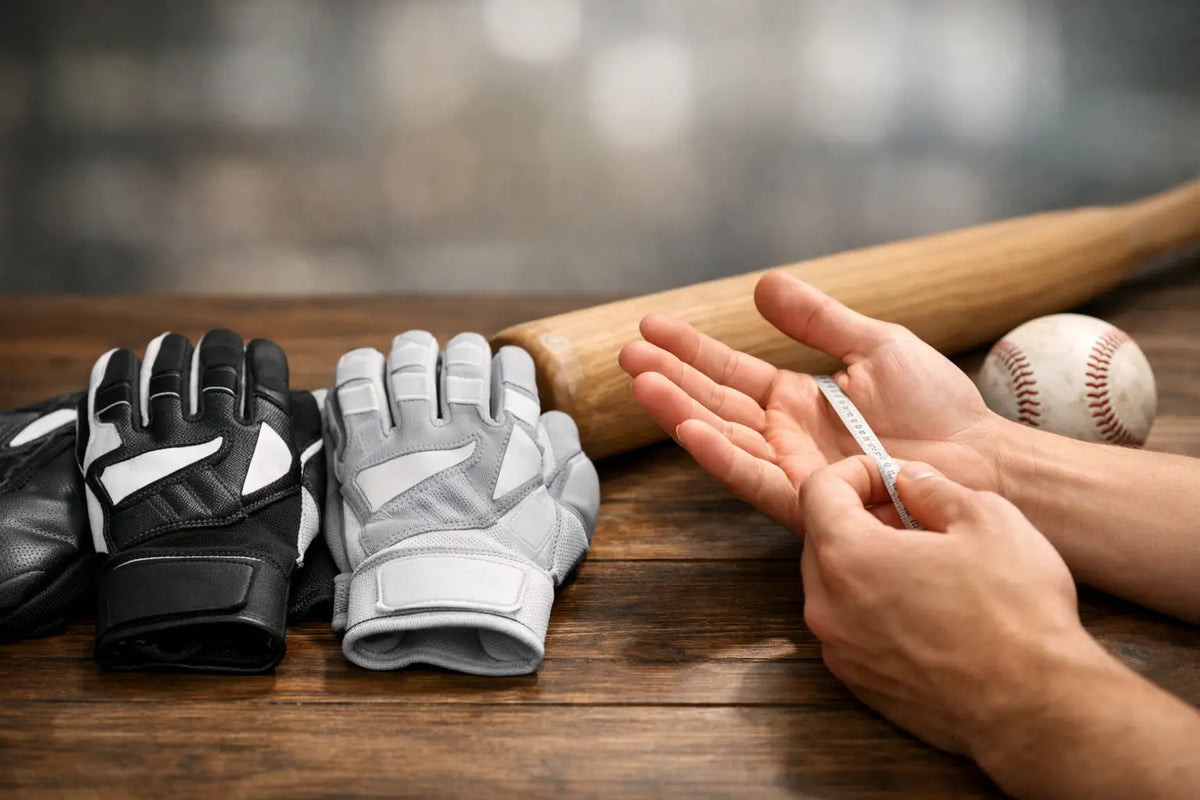
Most batting glove brands use a combination of hand length and hand circumference to determine size. Hand length is measured from the base of your palm to the tip of your middle finger. Circumference is measured around the widest part of your palm, usually just below the knuckles and above the thumb.
Use a soft measuring tape if you have one. Keep your hand flat, do not pull the tape tight, and measure your dominant hand first. For most players, that is the hand that takes more wear on the bat and needs the most accurate fit. If you fall between sizes, your choice depends on your preference and the glove material.
A player who wants a locked-in, close-to-the-hand feel may prefer the smaller size. A player who likes a little more room, has wider hands, or wears batting gloves in hot weather may be better off sizing up. There is no prize for forcing your hand into a glove that cuts off comfort.
Measure Your Hand Before You Buy
The fastest way to avoid guessing is to take two measurements. Measure your hand length from the crease at the base of your palm to the end of your middle finger. Then wrap the tape around your palm at its widest point, keeping your fingers together and leaving your thumb out.
Write both numbers down in inches. Brand size charts vary, so do not assume a medium from one glove will fit exactly like a medium from another. The chart included with the specific batting glove should always be your final reference.
If you are shopping for a young player, measure their hand instead of choosing solely by age. Youth players can have very different hand sizes at the same age, especially during growth spurts. A glove that fits this spring may be too short by summer.
General Batting Glove Size Ranges
These ranges are a useful starting point, not a replacement for a product-specific chart.
| Size | Typical hand length | Best fit for |
| --- | --- | --- |
| Youth Small | About 5.5-6 inches | Smaller youth players |
| Youth Medium | About 6-6.5 inches | Average youth hands |
| Youth Large | About 6.5-7 inches | Older youth players and smaller adult hands |
| Adult Small | About 7-7.25 inches | Teen players and smaller adult hands |
| Adult Medium | About 7.25-7.5 inches | Many high school and adult players |
| Adult Large | About 7.5-8 inches | Larger adult hands |
| Adult XL and up | 8 inches or more | Players with long or wide hands |
Hand circumference can shift the decision. If your length points to a medium but your palm is especially wide, a large may give you a better overall fit. If your hand is long but narrow, stay closer to the smaller size if the fingers fit correctly.
How Batting Gloves Should Fit
A well-fitted batting glove feels snug across the palm and back of the hand without pinching. Your fingertips should sit close to the end of each finger stall, but they should not be crammed into the seams. You need enough room to fully extend and bend your fingers without resistance.
Close the wrist strap and grip a bat, or mimic that grip with your hand. The material should stay smooth through your palm. A little natural flex is normal, especially with leather gloves that need a brief break-in period. Thick folds, loose material, or a palm that slides when you squeeze are signs the glove is too big.
The wrist closure matters, too. It should secure the glove without digging into your wrist or leaving a gap that lets the glove rotate. A secure closure keeps the palm material in position through swings, slides, and long rounds of batting practice.
Signs Your Gloves Are Too Small
Batting gloves that are too small usually announce themselves fast. Your fingertips press hard against the ends, the webbing between your fingers pulls, or the wrist strap barely reaches. You may feel tingling, tightness, or reduced flexibility after a few swings.
Do not count on an undersized glove stretching enough to solve the problem. Leather can relax slightly, but it will not gain a full size without losing its shape and durability. Starting too tight often leads to ripped seams and uncomfortable at-bats.
Signs Your Gloves Are Too Big
Oversized gloves create their own problems. Extra material in the palm can bunch around the handle, changing the feel of your grip. Loose fingertips can make the glove feel disconnected from your hand, while a shifting wrist can leave you adjusting between pitches.
A glove should not feel baggy just because it is comfortable when your hand is open. Test it in a hitting position. If the palm stays flat and the fingers stay aligned while you hold the bat, you are in the right zone.
Youth vs. Adult Batting Glove Sizes
Youth and adult sizing are not interchangeable. A youth large may overlap with an adult small in some brands, but the cut, finger length, and wrist design can still feel different. Older youth players and high school athletes should use their actual measurements instead of jumping to adult gloves because they seem more advanced.
Parents should also leave a little room for normal growth without buying gloves that are obviously loose. A glove that is slightly snug at first can break in. A glove with excess palm material will not suddenly become better during the season. For a player in the middle of a big growth phase, check fit every few weeks rather than waiting for blisters or torn gloves to tell you it is time.
Material Changes the Fit Decision
Leather batting gloves generally mold to the hand over time. They often start snug and become more personalized after a few practices. If you are right at the upper end of a size range, staying in that size can make sense with premium leather.
Synthetic materials and stretch fabrics may feel softer right away, but their fit can vary. Stretch panels can make a close glove feel forgiving, while some synthetic palms do not break in as much as leather. That is why measurements matter, but the construction matters too.
Weather also plays a role. Heat, sweat, and humidity can make a tight glove feel tighter. Cold conditions can make certain materials feel stiffer before they warm up. Players who practice and play in intense summer heat may prefer a touch more room, as long as the palm remains smooth on the handle.
Do Not Size Up for Batting Tape or Liners
Most players should not buy larger batting gloves because they use bat tape. Bat tape changes the handle, not the fit around your hand. The glove still needs to sit close to your palm so you can feel the barrel and maintain control.
The exception is a player who regularly wears a hand liner, finger wrap, or protective tape under the glove. Measure your hand with that setup on if you use it every game. Otherwise, size for your bare hand and keep the fit clean.
Check the Fit Before Game Day
Once your gloves arrive, do not wait until the first inning to test them. Put them on at home, close the straps, and make several full grip-and-release motions. Hold a bat for a few minutes if possible. Watch for pulling at the fingertips, bunching in the palm, pressure around the knuckles, or a strap that will not stay secure.
A good pair should feel athletic, not distracting. You should be thinking about the next pitch, not your hands. Vi Athletics batting gloves are built for players who want performance with presence, but even the best materials need the right size to do their job.
Your glove size is not just a number on a tag. It is the difference between fighting your equipment and trusting your grip when the count gets tough. Measure your hand, choose the fit that matches your game, and step into the box ready to take your swing.