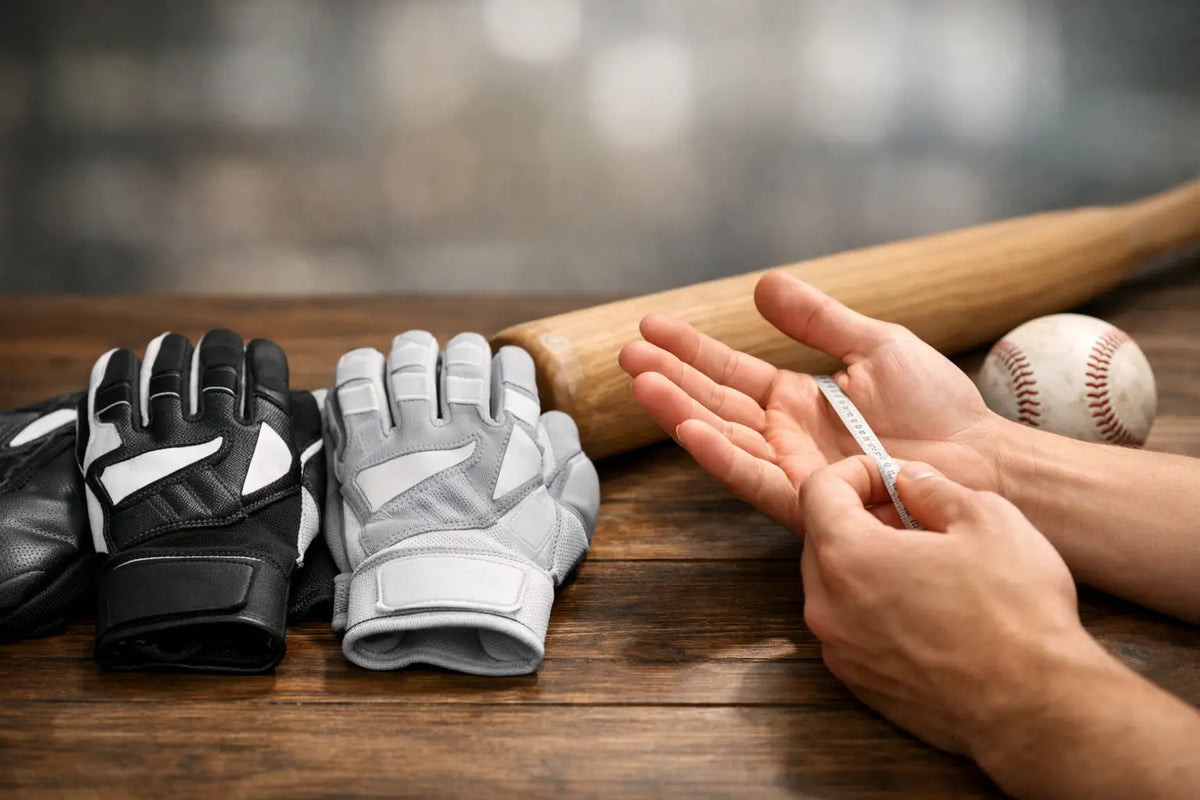
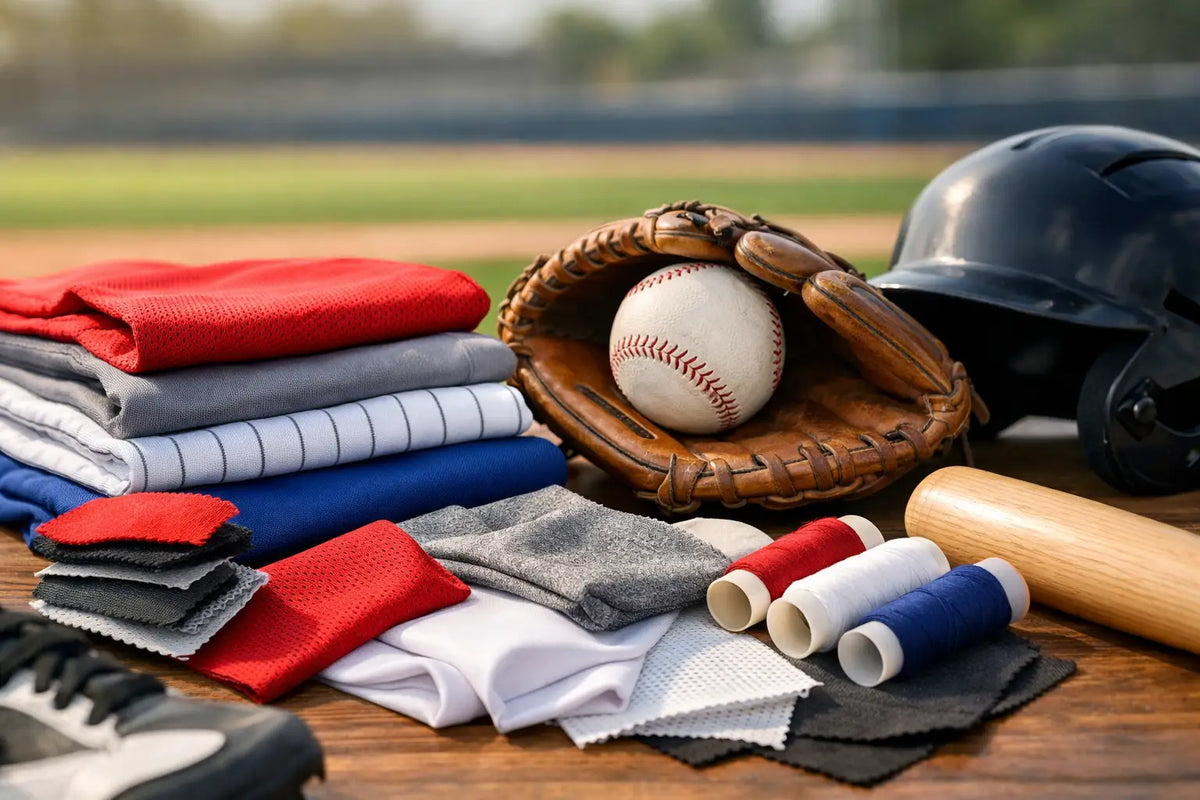
A batting glove can feel great in the cage and still fall apart halfway through the season. That usually comes down to materials. If you want batting gloves materials explained without the fluff, start here: the fabric on the palm, back, closure, and padding all change how the glove grips, stretches, breathes, and lasts.
For players, that means more than comfort. The wrong material can make the bat feel slick, bunch up in your fingers, trap sweat, or wear through right where you grip hardest. For parents buying gear, materials tell you whether you are paying for real performance or just a sharp look.
Batting gloves materials explained: what actually matters
Most batting gloves combine several materials, not just one. The palm usually handles grip and feel. The back of hand affects flexibility and airflow. The wrist closure controls security. Padding and reinforcements decide how much sting protection and durability you get.
That is why two gloves can look almost identical online and perform completely differently in live swings. One may feel game-ready right away but wear out fast. Another may need a short break-in and then hold up for months. Material choice is where that split starts.
Leather palms: best feel, higher maintenance
If you care most about connection to the bat, leather is still the standard. Good leather palms give you that close, tacky feel players want when the game speeds up. They usually mold to your hand better over time, too.
Cabretta leather is the name you will hear most. It is soft, thin, and premium. It gives excellent feel, which is why a lot of serious hitters prefer it. The trade-off is durability. If you hit a lot, especially in hot weather or heavy cage sessions, thinner leather can dry out, stiffen, or wear through faster than you want.
Some gloves use thicker leather or treated leather to improve lifespan. That can help, but it may also reduce that broken-in, second-skin feel. So if you are choosing leather, ask what matters more: maximum feel in games, or longer life across practice and games combined.
Synthetic leather is the other big option. It is usually more resistant to moisture and often more affordable. It can also be easier to keep looking clean. But synthetic palms do not always match real leather for softness and bat feel. Some feel slightly stiffer or less natural in the fingers, especially early on.
For younger players or anyone burning through gloves during constant practice, synthetic can be a smart call. For hitters who obsess over grip feel and hand feedback, leather usually wins.
When leather makes the most sense
Leather palms fit players who want premium feel, play a lot of games, and do not mind replacing gloves when performance drops. They also suit hitters who notice small differences in grip pressure and barrel control.
When synthetic makes more sense
Synthetic works well for players who need value, moisture resistance, and decent durability without chasing the softest possible feel. It is often the practical choice for growing athletes who may outsize their gear before they wear it out.
Back-of-hand materials change comfort more than most players think
A lot of players focus only on the palm. That is half the story. The back of the glove controls flexibility, airflow, and how natural the glove feels during a full swing.
Spandex, lycra, and other stretch fabrics are common here. They help the glove move with your hand instead of fighting it. That is a big deal for hitters who hate stiffness around the knuckles. Stretch-backed gloves usually feel more athletic and less bulky.
Mesh panels are used for breathability. If your hands run hot, or you play through long summer tournaments, mesh can keep the glove from turning into a sweat trap. Better airflow can also help preserve grip because the inside of the glove stays drier.
The trade-off is support and durability. More stretch and mesh can mean a lighter, more comfortable glove, but sometimes less structure. If the build quality is weak, these areas can fray or loosen before the palm gives out.
Neoprene sometimes shows up around the wrist or back-hand sections. It adds a smooth, flexible feel and can create a more secure fit. But too much of it can make gloves feel warmer. Again, it depends on where and how it is used.
Batting gloves materials explained by performance category
Different materials solve different problems. That is why the best glove for batting practice is not always the best glove for game swings.
If your priority is grip and feel, look first at palm leather quality and finger construction. Thin premium leather with clean seams usually gives the best bat control sensation. If your priority is durability, pay attention to reinforced wear zones, stronger synthetic blends, and double-layer palm areas.
If your priority is sweat control, breathable back-hand fabrics and vented finger gussets matter more than flashy branding. If your priority is sting reduction, padding placement and palm thickness start to matter, especially in colder weather or against higher velo.
A glove can be strong in one area and average in another. The key is matching the materials to how you actually play.
Padding and reinforcements: protection versus feel
Not every hitter wants padding. Some players want the thinnest glove possible so every ounce of bat feedback comes through. Others want help with vibration on mishits or inside pitches.
Palm padding is often made from foam, gel, or layered synthetic inserts. Foam tends to be lighter and lower profile. Gel can absorb sting well, but if overdone, it may make the grip feel disconnected. More protection is not automatically better if it changes how the bat sits in your hands.
Reinforced patches around the palm heel, thumb, and high-friction finger areas can extend glove life in a big way. These are smart for players who train often. The downside is that extra layers can slightly change flexibility. That may not bother a power hitter at all, while a contact hitter with strong hand feel preferences might notice it right away.
For youth players, a little extra protection often makes sense. For advanced hitters, feel usually becomes the bigger factor.
Wrist closures and seams matter more than you think
The strap is not just the finishing piece. It affects how locked-in the glove feels through the swing. Most closures use hook-and-loop material because it is easy to adjust and fast between innings.
A strong closure keeps the glove from shifting. A weak one starts peeling, especially when sweat and dirt build up. That can make even a good glove feel sloppy.
Seam construction matters too. Flat, clean seams reduce hot spots and friction. Poor seam placement can rub your fingers raw during long cage sessions. This is one of those details players notice only after a few rounds, but once you feel it, you cannot ignore it.
How to choose the right material mix for your game
If you are a high-volume practice player, do not judge gloves by softness alone. A glove that feels amazing on day one but tears by week three is not a win. Look for a balance of leather feel, reinforced wear zones, and breathable stretch on the back.
If you mostly care about game performance, a softer leather palm may be worth it even if lifespan drops. If you play in hot climates, prioritize mesh and moisture control. If you deal with sting or hand fatigue, add moderate padding instead of going for the thinnest build possible.
Parents shopping for younger players should think in simple terms: fit first, then durability, then feel. A premium leather glove is wasted if the sizing is off or the player is still growing fast. A reliable synthetic-leather blend with solid breathability may be the smarter buy.
And if style matters too, that is fair. Baseball gear should look sharp. Confidence is part of performance. Just make sure the swag is backed by materials that can handle real swings. That is the whole point.
What to watch for before you buy
Marketing names can make different gloves sound more advanced than they are. The better move is to look past the headline and ask a few practical questions. Is the palm real leather or synthetic? Are high-wear areas reinforced? Does the back of hand breathe? Is there padding, and if so, where?
You do not need a lab report to buy the right pair. You just need to know what each material is doing. At Vi Athletics, that mindset fits the game - quality where it counts, confidence in every detail, and gear built to help you show up ready.
The best batting gloves are not made from the fanciest materials on paper. They are made from the right mix for your swing, your season, and the way you compete. Choose that mix well, and every at-bat feels more under control.