A hard inside pitch changes your gear priorities fast. One bad hop, one jammed swing, one catcher collision at the plate, and suddenly baseball protective gear trends are not just about looks - they are about staying available, confident, and ready for the next rep.
What is changing right now is bigger than adding more padding. Players want protection that moves better, feels lighter, and still brings swagger to the field. Parents want gear that holds up for a full season. Coaches want athletes protected without turning them stiff or distracted. That mix is shaping the next wave of baseball equipment, and it is pushing brands to build gear that performs under pressure without looking bulky or outdated.
Where baseball protective gear trends are headed
The biggest shift is simple: players no longer accept the trade-off between protection and feel. Older protective gear often did the job, but it could feel rigid, hot, or awkward during a game. Newer designs are built with a different standard. The goal is impact protection that still lets hitters stay loose, fielders react naturally, and catchers move with speed.
That change matters most for youth and high school players. At those levels, gear has to protect growing athletes while still helping them build good mechanics. If an elbow guard is too heavy or a sliding mitt feels clumsy, the player notices immediately. If it fits right and feels fast, they wear it with confidence instead of treating it like a hassle.
Another clear trend is that protective gear is becoming part of a player’s identity. The days of generic black-only protection being the default are fading. More athletes want gear that matches their batting gloves, team colors, or personal style. That is not just cosmetic. When a player feels locked in and looks the part, confidence shows up in the box.
Lighter materials, smarter protection
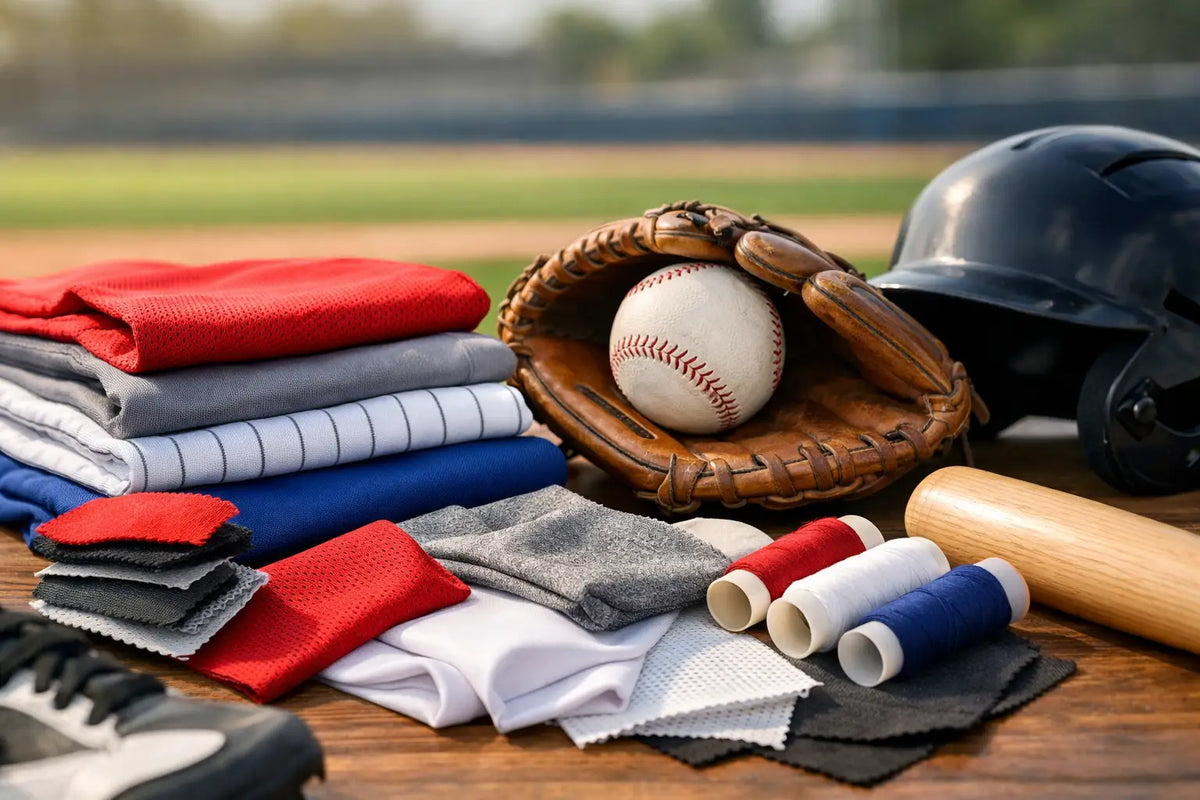
One of the strongest baseball protective gear trends is the move toward lighter, lower-profile materials. Players want coverage, but they do not want to feel wrapped up. Brands are responding with layered foams, molded shells, and flexible designs that absorb impact while reducing bulk.
For hitters, this is especially noticeable in elbow guards and hand protection. The best newer gear protects against inside pitches without interfering with the swing path. That sounds obvious, but it has not always been easy to achieve. Too much structure can make a hitter feel restricted. Too little can leave sensitive areas exposed. The sweet spot is gear that stays secure and protects key zones while still disappearing once the at-bat starts.
The same principle applies to lower-body protection. Shin and ankle coverage is getting more anatomically shaped, which helps players move naturally out of the box and on the bases. Bulk is still useful in certain spots, especially for catchers, but streamlined design is winning almost everywhere else.
Fit is now a performance feature
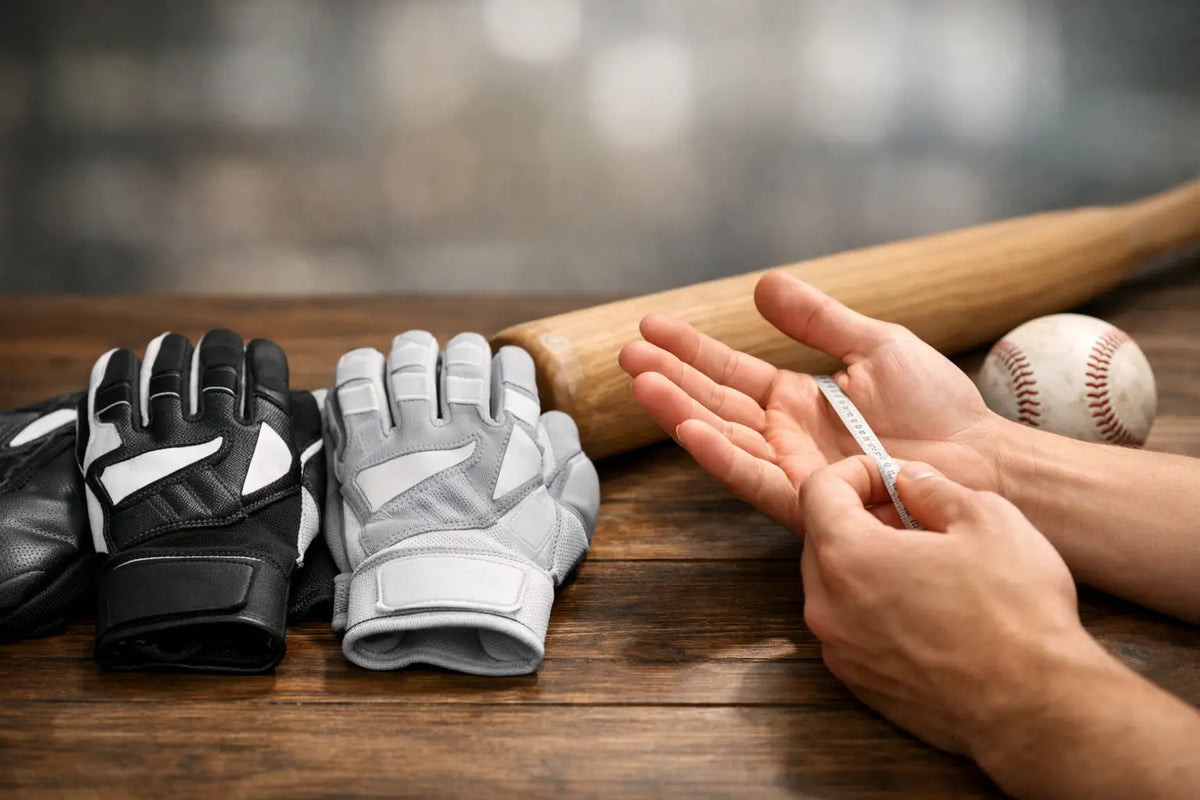
Protection only works if players actually want to wear it. That is why fit has become one of the most important trends in the category. Adjustable straps, contoured shapes, and left-right specific designs are becoming more common because athletes expect gear to feel built for movement, not just strapped on.
This matters a lot for younger players. A one-size-fits-all guard may save time at checkout, but it can create problems on the field. Loose gear shifts. Tight gear distracts. Poorly placed protection can even change mechanics. Parents shopping for kids are paying closer attention to fit because they know comfort usually determines whether the gear stays on for the whole game.
For older players, the expectation is even higher. High school and competitive travel athletes want gear that feels dialed in. If it slides during swings or pinches during warmups, it is out. Better fit does more than improve comfort - it helps athletes stay aggressive. When gear feels secure, players stop thinking about it and compete.
Style is no longer separate from function
A lot of sports brands used to treat style like an afterthought in protective equipment. That approach does not work anymore. Players want performance, but they also want gear with presence. Clean color options, sharper silhouettes, and coordinated accessories are shaping buying decisions in a real way.
That does not mean style beats safety. It means the best gear now delivers both. A player choosing batting gloves, an elbow guard, and other accessories often wants a consistent look across the setup. Matching gear creates a more complete game-day identity, and that matters to athletes who see confidence as part of performance.
For brands with a strong point of view, this is a real opportunity. Protective gear is no longer hidden utility. It is visible on swings, slides, and dugout shots. Players notice details. So do parents. If the gear looks sharp and performs, it earns trust faster.
Position-specific gear keeps getting more specialized
Not every player needs the same kind of protection, and one of the smarter baseball protective gear trends is increased specialization by role. Catchers still require the most obvious position-specific setup, but even non-catchers are seeing more tailored options.
Hitters are driving demand for better pitch-impact protection. Sliding mitts continue to hold attention for players who value hand safety on aggressive steals and headfirst slides. Infielders and outfielders may not load up with protective accessories every game, but many still want gear that supports practice intensity and game confidence.
Catchers remain in a category of their own. For them, durability and repeated impact absorption matter more than slim design alone. Still, even catcher’s gear is trending toward better ventilation, reduced weight, and mobility-friendly shaping. The challenge is balancing serious protection with the quickness needed to block, throw, and recover. The best gear handles both.
Breathability and comfort are becoming non-negotiable
Heat changes how gear feels by the third inning. That is why breathability is becoming a major factor, especially for spring and summer baseball in warmer states. Protective gear that traps too much heat can become a distraction fast.
Ventilated materials, moisture-managing liners, and softer interior contact points are gaining attention for good reason. Players do not just want protection from impact. They want gear that stays comfortable through long tournaments, doubleheaders, and practice days that stretch for hours.
This is one of those areas where hype can get ahead of reality. Not every new ventilation pattern or fabric upgrade makes a major difference. But the overall direction is clear. Better comfort helps players keep their focus, and that gives the gear more value than protection specs alone.
Parents are shopping smarter
A big part of the market is not the player making the final purchase - it is the parent. And parents are getting more selective about what counts as worth the money. They want gear that lasts, fits correctly, and offers real protection without constant replacement.
That creates an interesting pressure on brands. Entry-level pricing still matters, especially for fast-growing youth athletes, but cheap gear that breaks down midseason does not feel like a bargain. More families are willing to spend a little more for equipment that combines durability, better materials, and a fit their athlete will actually use.
They are also looking at versatility. Can one guard hold up through practice and games? Does it clean easily? Will it still fit deep enough into the season to justify the cost? The brands that answer those questions clearly are the ones that stand out.
What players should look for right now
If you are buying protective gear this season, trend-chasing alone is not the move. Start with the actual demands of your position, your age level, and your playing style. A power hitter who crowds the plate may prioritize elbow and hand protection differently than a contact hitter who values minimal feel. A youth player may need simplicity and adjustability more than pro-inspired styling.
The best buying decisions usually come down to three things: secure fit, game-speed comfort, and protection where impact is most likely. Looks matter too, and there is nothing wrong with wanting gear that brings some swag. Just make sure the style is backed by construction that can handle real use.
This is where a focused baseball brand can separate itself. Vi Athletics sits right in that lane - gear that respects performance but still understands that players want to show up looking like they mean it. That balance is where the category is heading.
The next phase of baseball protective gear trends
Expect the category to keep moving toward custom feel without full custom pricing. Players want gear that feels personal, whether that comes from better sizing, smarter shaping, or stronger style options. They also want equipment that does not announce itself as protective gear with oversized, outdated design.
There is still a trade-off in some products. Ultra-light pieces may not suit players who want maximum coverage. Extra coverage can still add heat or weight. That is normal. The best trend in the market is not one single feature - it is the push toward options that let more players choose their ideal balance.
The right protective gear should do two things at once: keep you in the game and make you feel ready to attack it. If your setup gives you that, you are not just following a trend. You are building a better way to compete.