Showing up with the wrong gear is an easy way to feel off before the first pitch. A smart baseball accessories buying guide helps you cut through hype, skip the gimmicks, and choose gear that actually plays hard, fits right, and holds up when the game speeds up.
What a baseball accessories buying guide should help you decide
Accessories are not just extras. In baseball, the right add-ons can change comfort, protection, confidence, and even how long you stay locked in during a game. Batting gloves affect grip and feel. An elbow guard changes how fearless you are in the box. A glove care routine can add life to an expensive piece of equipment.
That also means buying accessories is not one-size-fits-all. A youth player still learning fundamentals needs something different than a varsity starter playing five times a week. Parents usually want durability and value. Players often care just as much about feel and swag. Both matter. Good gear should perform and look like it belongs on the field.
Start with the accessories that actually impact performance
If you are building out a kit, start with the pieces that affect play every inning or every at-bat. That usually means batting gloves, protective gear, and game-day basics before you spend money on nice-to-have extras.
Batting gloves
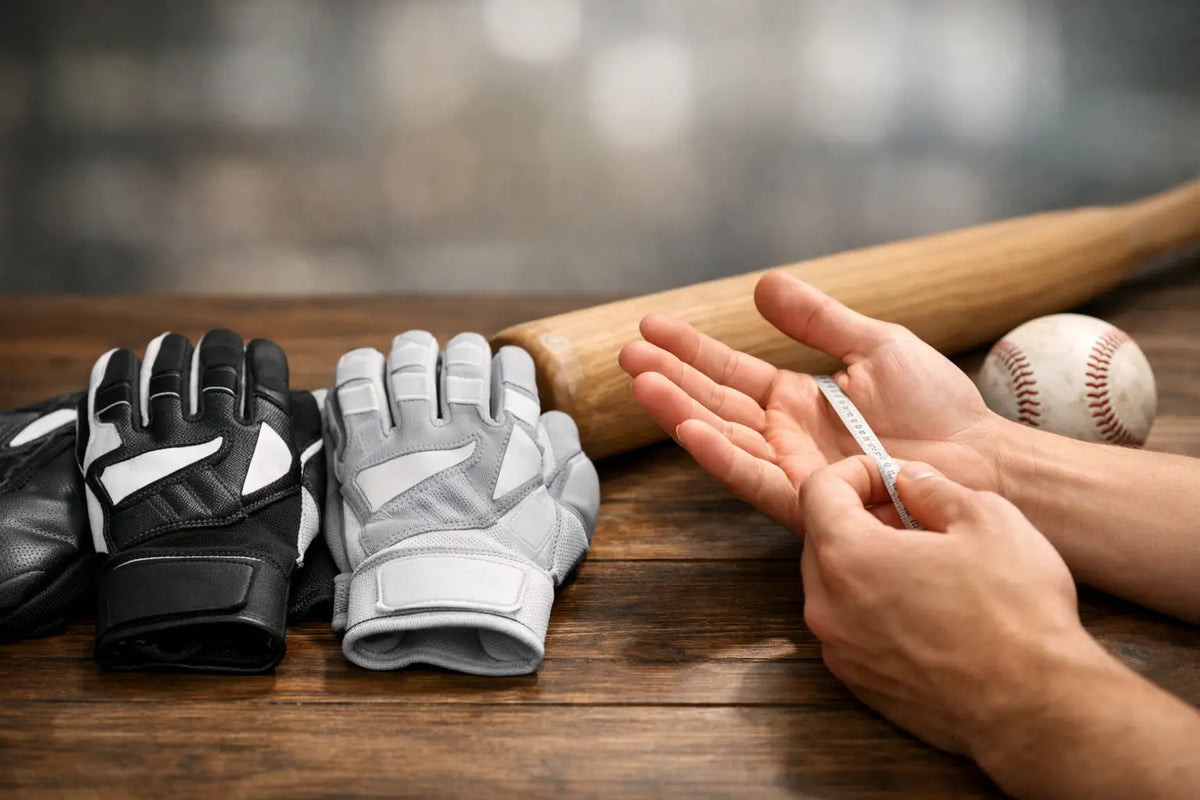
Batting gloves are one of the easiest accessories to get wrong because players often buy based on looks first. Style counts, but fit matters more. A batting glove should feel snug without cutting off movement. If the palm bunches, grip suffers. If the fingers run too long, you lose barrel feel.
Material matters too. Leather palms usually give better feel and a more premium grip, but they can wear faster if you train constantly. Synthetic options often hold up better in rough conditions and may be easier on the budget. If a player practices several times a week, durability becomes a real factor, not a small detail.
Look closely at the wrist closure. A secure strap helps keep the glove stable through swings, especially for younger players whose gear tends to loosen during use. Breathability is another trade-off. Some gloves feel locked-in but run hot in summer tournaments. Others stay cooler but may not feel as supportive.
Elbow guards and protective gear
Confidence in the box changes everything. An elbow guard is not just about avoiding bruises. It lets hitters stay in on inside pitches without flinching. That can improve plate approach in a real way.
The biggest factor here is fit. A guard that shifts during a swing is a distraction. One that digs into the arm is just as bad. Adjustable straps help, but the shape and coverage need to match the player. More coverage can mean more protection, but it may also feel bulkier. Some hitters want full security. Others want the lightest profile possible. It depends on comfort level, swing style, and how much movement the player is willing to sacrifice.
If a player is younger or just getting used to facing harder pitching, protective accessories are worth prioritizing. Looking tough is great. Feeling ready to stand in and compete is better.
Baseballs for practice
Not every baseball is built for the same job. If you are buying baseballs as part of your accessory setup, think about how they will be used. Practice balls for backyard reps, cage work, or team training do not always need to match premium game-ball specs. But they do need consistency.
Cheap balls can lose shape, scuff quickly, or feel off in the hand. That affects throwing reps and hitting feedback. For frequent use, it often makes more sense to buy quality once than replace low-grade baseballs again and again. If the player is training for feel, command, and clean contact, consistency matters.
Fit beats hype every time
The fastest way to waste money is to buy accessories based on trends instead of use. A flashy product that does not fit your hand, arm, or routine will end up at the bottom of the bag.
This is especially true for youth players. A little room to grow sounds practical, but oversized accessories usually perform worse. Batting gloves that are too big slide. Guards that are too loose move on contact. Even simple accessories become frustrating when the fit is off.
For parents, this is where smart buying beats bargain buying. The better move is often choosing a properly fitted accessory that lasts a season and helps the player perform with confidence. Poor fit can make a quality product feel cheap.
Durability matters more than most buyers expect
Baseball gear gets abused. Heat, dirt, sweat, turf, clay, dugouts, batting cages, travel weekends - accessories go through it fast. A lower price can be tempting, but cheap gear usually shows itself early in weak stitching, worn palms, stretched straps, or cracked padding.
That does not mean the most expensive option is always the right one. It means you should pay attention to construction. Reinforced seams, quality closures, durable palm materials, and padding that holds shape are all signs of gear built for repeat use.
If the player is practicing once a week, mid-range accessories may be perfect. If they are hitting daily or playing through a packed season, durability becomes a top-tier feature. It is not exciting, but it saves money and frustration.
Comfort is not soft - it is part of performance
Players perform better when they are not adjusting gear every inning. Comfort affects focus. It affects confidence. It affects how aggressively you play.
This is why breathable materials, flexible design, and secure fit deserve attention. A batting glove that gets slick with sweat can change grip. A stiff guard can alter movement. Even small discomforts add up over a doubleheader.
The best accessories usually disappear once the game starts. They do their job without demanding attention. That is what you want.
Style still counts, and that is not a bad thing
Baseball has always had style. Players want gear that looks sharp, matches their energy, and feels like theirs. That is not vanity. It is part of showing up ready.
A player who feels confident in their gear often carries that confidence onto the field. Clean design, strong color choices, and a recognizable look all matter, especially for younger athletes and high school players who want performance without looking generic.
Just keep the order right. Performance first, then style. The best accessory is the one that brings both. That is where brands like Vi Athletics hit the sweet spot - gear that is built to compete and still brings the right amount of swag.
A practical baseball accessories buying guide for parents
Parents usually shop with a different filter. You are balancing budget, quality, safety, and how fast your athlete is growing. The smart move is to focus less on buying everything at once and more on covering the highest-impact needs first.
Start with accessories that improve safety and everyday performance. Make sure sizing is right now, not six months from now. Ask whether the player needs this piece for games, practice, or both. That helps avoid overbuying premium gear for low-use situations.
It also helps to know your player's habits. Some athletes take care of their equipment. Others leave batting gloves in the car, toss guards in the dirt, and forget what bag pocket anything is in. If that sounds familiar, durability should move way up your list.
When to spend more and when to keep it simple
Not every accessory deserves a premium budget. Spend more on items that directly affect protection, feel, and repeated use. Batting gloves, guards, and frequently used training gear usually justify better materials and stronger construction.
Keep it simpler on accessories that are more situational or easier to replace. The key is knowing what the player actually uses. A serious travel ball athlete and a rec player do not need the same setup.
This is where honest buying wins. Do not shop for the athlete you hope to become next year. Shop for the reps you are taking right now.
Red flags to watch before you buy
If a product looks great but gives you almost no detail on materials, fit, or protection, that is a warning sign. The same goes for accessories that seem designed around appearance alone. Gear should earn its spot in the bag.
Watch for gloves with weak closures, guards with limited adjustability, or baseballs that feel inconsistent from one to the next. If possible, think through the season ahead. Heat, volume of play, level of competition, and player preference all matter more than marketing language.
The right accessories do not need to scream. They just need to show up, hold up, and help you play fast and confident.
The best buying decisions come from being honest about your game. Choose accessories that match your level, your needs, and your mindset. When your gear fits, protects, and performs, you can stop thinking about it and start playing like a force.