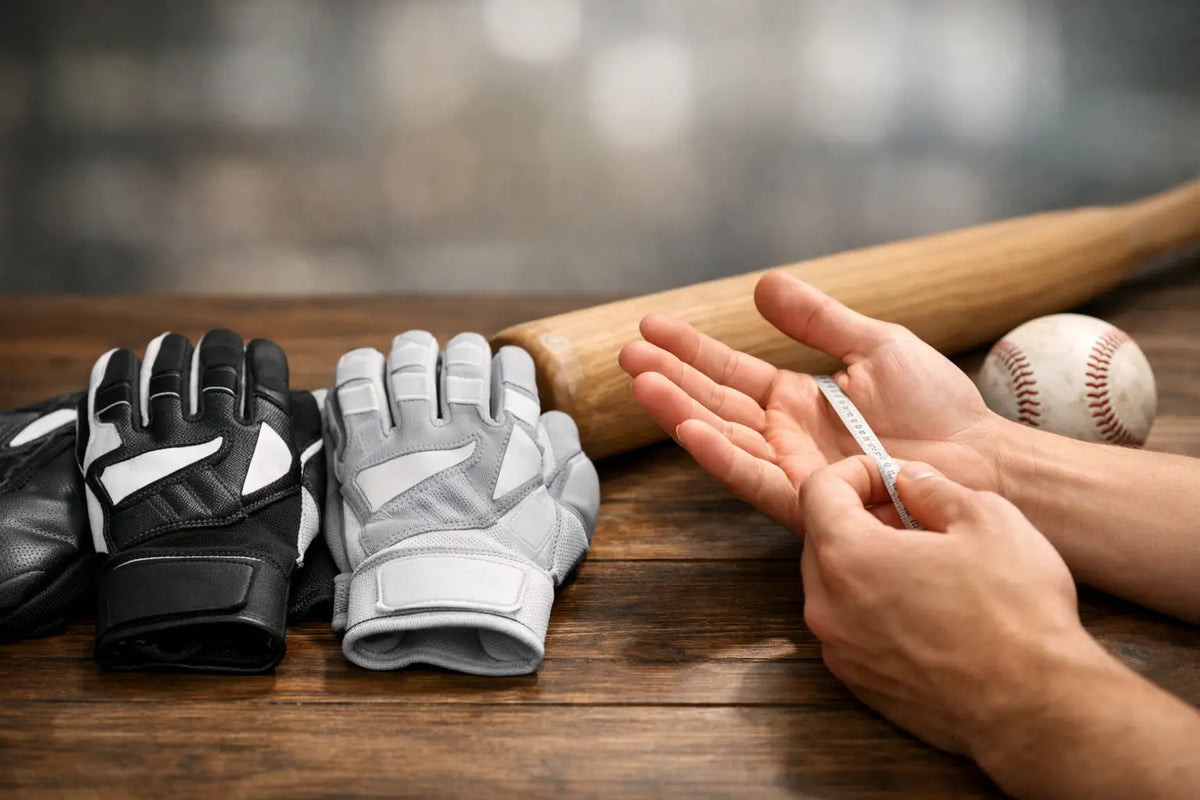
A batting glove usually doesn’t fail all at once. It starts with a slick palm in the cage, then the seam by the thumb gets loose, then the wrist strap stops locking down the way it should. That’s why a real batting gloves durability review matters - not for hype, but for players who need gear that keeps showing up when the reps pile up.
If you’re buying for yourself or for your ballplayer, durability is not just about getting more months out of a pair. It affects grip, comfort, confidence, and how often you’re replacing gear midseason. A glove can look clean on day one and still break down fast once sweat, dirt, pine tar, and constant batting practice get involved.
What durability actually means in batting gloves
Most players hear durable and think thick material. That’s only part of it. A batting glove lasts when the palm keeps its tack without turning slippery, the stitching stays tight through repeated swings, and the backhand material holds shape instead of stretching out and feeling loose.
The best gloves balance toughness with feel. If the leather is too thin, it may tear or wear through near the handle pressure points. If it’s too stiff or bulky, you lose bat feel and the glove starts fighting your hands instead of working with them. Durable gloves are built for repetition, not just first impressions.
Wrist closure matters too. A lot of gloves die early because the strap loses grip, curls at the edge, or stops giving a secure fit after weeks of use. Once the wrist gets sloppy, the whole glove feels worse, even if the palm is still intact.
Batting gloves durability review - where gloves usually break down
If you want to judge a pair honestly, look at the failure zones. Most batting gloves don’t wear evenly. They break down where friction, sweat, and hand movement all hit the hardest.
The palm is the first place to inspect. Players who hit often will usually see wear in the lower palm and around the thumb pad, where the bat handle creates repeated pressure. If the leather starts thinning there, the glove may not have much life left.
Next is the seam between the palm and fingers. That area takes stress every time the hand wraps around the bat. Cheap construction shows up fast here. Small seam separation turns into finger tearing, and once that happens, the glove is on borrowed time.
The back of the hand is another giveaway. Stretch materials can feel great out of the package, but some lose structure quickly. When that happens, the fit gets baggy, the glove shifts during swings, and the player starts adjusting between pitches. That’s a problem.
Then there’s the cuff. A weak strap can make even a decent glove feel worn out. Strong closure and clean stitching around the wrist are underrated parts of long-term performance.
Materials make the difference
Leather still leads the conversation for a reason. Good leather palms usually give the best mix of grip, feel, and wear resistance. But not all leather is equal. Softer premium leather often feels game-ready fast, though some ultra-soft versions trade a little lifespan for that broken-in feel.
Synthetic palms can last in some cases, especially for younger players or lower-volume use, but they tend to be more hit or miss. Some hold shape well. Others get slick or stiff once sweat and dirt build up. If a player is in the cage multiple days a week, leather usually earns its keep.
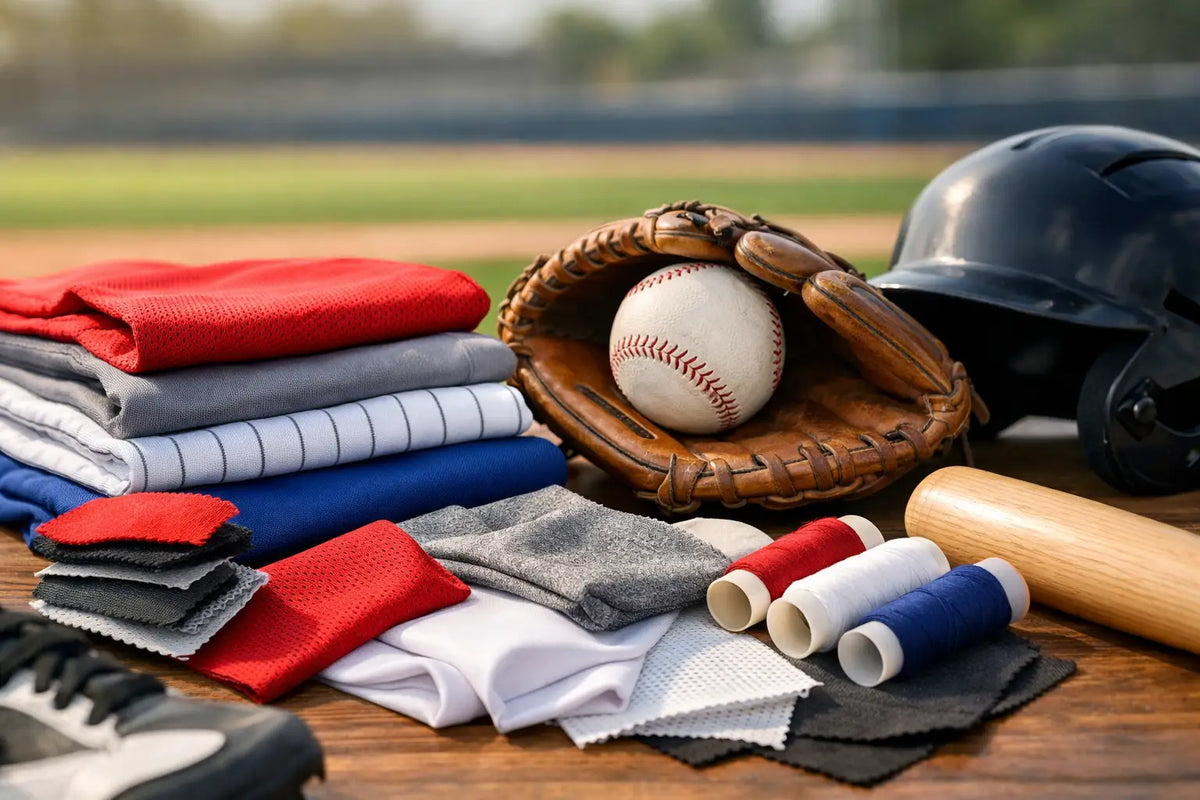
On the backhand, mesh and flex materials improve breathability and comfort, but they need strong reinforcement. A glove that breathes well but stretches out in a month is not a win. Durable design usually means the high-movement areas stay flexible while key stress points are supported.
That trade-off matters. Light gloves feel fast and athletic. Heavier-duty gloves may last longer. The right choice depends on how often you swing and how much abuse your gear takes.
What players should look for before buying
A smart batting gloves durability review starts before the first swing. Construction details tell you a lot.
Check the stitching first. Tight, even stitching around the fingers and palm usually signals better build quality. Loose threads right out of the package are a bad sign. Look at the transitions between materials too. Clean joining points tend to hold up better than gloves with rough edges or uneven seams.
Feel the palm thickness. You want enough substance to handle repeated contact, but not so much that the glove feels numb. If the material already feels paper-thin in high-friction spots, expect early wear.
Pay attention to the wrist strap. Strong hook-and-loop closure and a cuff that sits flat are good signs. If the strap feels weak on day one, it probably won’t improve after thirty cage rounds.
Fit might be the biggest durability factor most players ignore. Gloves that are too tight put stress on seams. Gloves that are too loose shift and create extra friction inside the hand. Both lead to faster breakdown. A locked-in fit helps a glove last because the materials move the way they’re supposed to.
Durability depends on how you use them
Not every player burns through gloves at the same rate. A middle school player taking weekend hacks has very different wear patterns than a varsity hitter living in the cages.
High-volume hitters should expect more from a glove and be more demanding in their review. If you hit several times a week, prioritize palm quality, reinforced stress areas, and a secure wrist. Breathability still matters, but durability needs to lead.
For younger players, comfort and fit can matter just as much as max lifespan. A glove that is slightly less rugged but fits cleanly and helps build confidence at the plate can still be the better call. Parents should think in terms of value, not just longest possible life.
Weather matters too. Hot summer tournaments, sweat-heavy cage sessions, and damp gear bags all shorten glove life. Even a strong pair can wear out early if it stays soaked after use.
How to make batting gloves last longer
Good gear still needs discipline. Tossing gloves into the bottom of a bag after every game is one of the fastest ways to kill them.
Let them air out after use. That sounds basic, but trapped sweat hardens materials, weakens stitching over time, and creates odor that never leaves. If the gloves are wet, open the straps and let them dry naturally. Don’t bake them in direct heat.
Use them for what they’re built for. If a pair is your game glove, don’t grind it through every cage session if you can avoid it. A lot of serious players keep one pair for games and one pair for practice. That move alone can stretch the life of both.
Keep the palm as clean as possible. Dirt and grip residue break down feel and wear the surface faster. You don’t need to baby your gloves, but you do need to respect them.
And when the palm gets hard, slick, or noticeably thin, don’t push it too far. A dead glove changes how the bat feels in your hands. That can mess with comfort and confidence more than players realize.
The real trade-off: feel versus lifespan
Here’s the truth most players learn the hard way: the gloves with the best instant feel are not always the ones that last the longest. Soft, tacky, game-ready gloves feel elite right away, but some will wear faster under heavy use. More structured gloves may last longer, but they can feel less natural at first.
That doesn’t mean one type is better. It means the best choice depends on your routine. If you want premium feel for game day, you may accept a shorter lifespan. If you need one pair to survive months of work, you may want a slightly tougher build with less softness out of the package.
The right glove is the one that matches your volume, your grip preference, and your standards. Style matters too. Players want gear with presence. That’s fair. But real swagger comes from gear that performs when the count gets deep and your hands still feel right in the seventh.
A solid batting gloves durability review should always come back to this question: does the glove stay dependable after the newness wears off? That’s the test. Not the packaging, not the first cage round, not the look on release day.
If you’re choosing your next pair, think beyond flash. Look at build, fit, materials, and how you actually train. The best glove is not the one that only looks ready. It’s the one that keeps showing force, swing after swing.