Show up to the field with the wrong setup, and you feel it fast. A glove that never breaks in right, batting gloves that slip, or protection that shifts on contact can throw off an entire game. So what is baseball gear, exactly? It is the full set of equipment, protective pieces, and performance essentials a player uses to train, compete, and stay ready from first pitch to final out.
What Is Baseball Gear?
Baseball gear is not just "stuff for baseball." It is the equipment that helps players catch, throw, hit, run, and protect themselves while doing it. That includes obvious items like gloves and baseballs, but it also includes the pieces that improve control, comfort, and confidence, like batting gloves, elbow guards, sliding gear, and apparel built for movement.
The best way to think about baseball gear is by purpose. Some gear is required to play. Some gear protects you. Some gear helps performance. And some of it gives players that extra edge in how they carry themselves. That matters more than people admit. When your gear fits right and looks sharp, you play freer.
The Core Baseball Gear Every Player Should Know
Every player starts with the basics. A fielding glove is the first big one. It is the tool that shapes how you catch and control the ball, and the right glove depends on position, age, and hand size. An infielder needs a different feel than an outfielder, and a first baseman's mitt is built for an entirely different job.
Baseballs are another obvious essential, but not all baseballs feel the same in use. Practice balls, game balls, and training balls can vary in durability, seam feel, and overall response. If a player is working on grip, command, or contact quality, the ball itself matters.
Then there is the bat. For hitters, bat selection affects swing speed, barrel control, and confidence in the box. Youth players, high school athletes, and adult league players all deal with different bat standards and preferences, so this is one area where "best" really depends on league rules and player build.
Cleats round out the core setup. Good traction changes everything from your first step in the infield to your jump on the bases. Poor cleats can leave a player slipping, overcompensating, or just feeling unstable, which is not where you want to be during live play.
Protective Baseball Gear Matters More Than People Think
A lot of players focus on the flashy gear first, but protection is what keeps you in the game. Baseball moves fast, and a hard ball can do damage in a split second.
Batting helmets are a standard for a reason. At the plate and on the bases, they protect against pitches, throws, and ricochets. For many players, added face or jaw coverage is worth considering, especially at younger levels or for hitters facing higher velocity.
What is baseball gear for protection?
Protective baseball gear includes anything built to reduce impact and lower injury risk. That means elbow guards, leg guards, sliding mitts, catcher's gear, and in some cases protective shirts or compression layers with padding.
Elbow guards are a strong example of gear that blends protection with performance. A hitter who is worried about getting jammed inside can get tense and late. Put on gear that absorbs contact and stays in place, and the at-bat changes. You get less hesitation and more commitment.
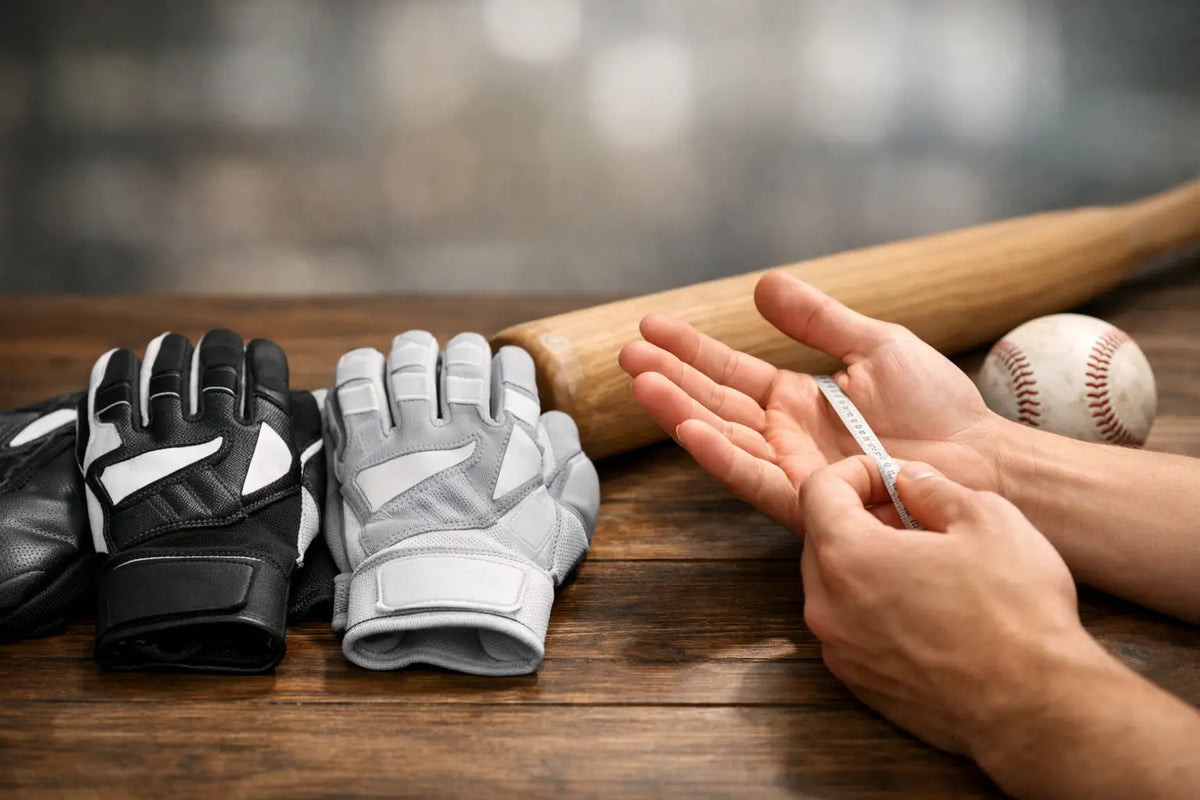
Batting gloves also sit in this conversation, even though people often think of them as just a comfort item. They improve grip, help reduce sting, and can limit wear on the hands during repeated swings. For some players, they are optional. For others, they are part of the uniform because hand feel directly affects confidence.
Catchers need the heaviest protection in the sport. Helmets, chest protectors, shin guards, and often additional support gear are non-negotiable. The position demands it. Taking foul tips, blocking balls in the dirt, and handling contact around the plate without proper gear is not toughness. It is bad judgment.
Baseball Gear for Performance, Not Just Safety
There is a difference between surviving a game and being ready to control it. Performance gear helps close that gap.
Compression wear, moisture-managing apparel, and supportive accessories help players stay mobile and focused through long innings and hot weather. That may sound small, but discomfort adds up. A jersey or sleeve that traps heat, bunches up, or restricts movement becomes a distraction. Strong gear should disappear once the game starts. You should notice your play, not your equipment.
Grip and control gear also matter. Batting gloves, wrist support, arm sleeves, and training accessories can all help players feel more connected to their movement. Not every athlete needs every item. Some players want a stripped-down setup. Others perform better with a more dialed-in kit. It depends on level, position, and personal feel.
What baseball gear changes by position?
A middle infielder might care most about glove response, lateral movement, and clean transfers. An outfielder may prioritize glove reach, cleat traction, and comfort over long innings. Catchers need maximum protection and durability. Pitchers often pay extra attention to feel, grip, and any gear that supports repeatable mechanics without getting in the way.
Hitters, regardless of position, usually notice batting gear the most. If your hands are slipping, your elbow is exposed, or your helmet fit feels off, it can mess with your timing before the pitcher even releases the ball.
What Is Baseball Gear for Youth Players?
For youth and teen athletes, baseball gear has to do two jobs at once. It has to protect developing players, and it has to help them build habits without creating extra frustration.
That means fit is everything. Oversized gloves can make basic fielding harder. Loose batting gloves can reduce control. Protective gear that slides around or feels bulky often gets ignored, especially by younger players who just want to get on the field.
Parents usually face the toughest balancing act here. You want gear that is durable enough to last, but not so advanced or expensive that it makes no sense for a fast-growing player. The right call is usually dependable, game-ready equipment with room to grow in skill, not giant gear with room to grow physically.
Style matters here too, and that is not shallow. Younger athletes want to feel legit. When they put on gear that looks clean, fits right, and feels built for the game, they carry themselves differently. That confidence can show up in effort, focus, and willingness to compete.
How to Tell If Baseball Gear Is Actually Good
Not all gear earns a spot in your bag. Good baseball gear should feel secure, hold up under repetition, and make your job easier instead of adding distractions.
Start with fit. If a glove, guard, or pair of batting gloves does not stay where it should, performance drops fast. Next is material quality. Cheap materials break down, lose shape, and stop doing their job long before the season is over. Then look at function. The gear should solve a real need, whether that is protection, grip, mobility, or durability.
There is also a trade-off between lightweight feel and heavy-duty protection. Some players want the lightest possible setup for freedom of movement. Others want more coverage and structure. Neither choice is automatically better. The right answer depends on position, age, comfort level, and how aggressive the competition is.
Building a Baseball Gear Setup That Makes Sense
The smartest gear setup is not the biggest one. It is the one built around how you actually play.
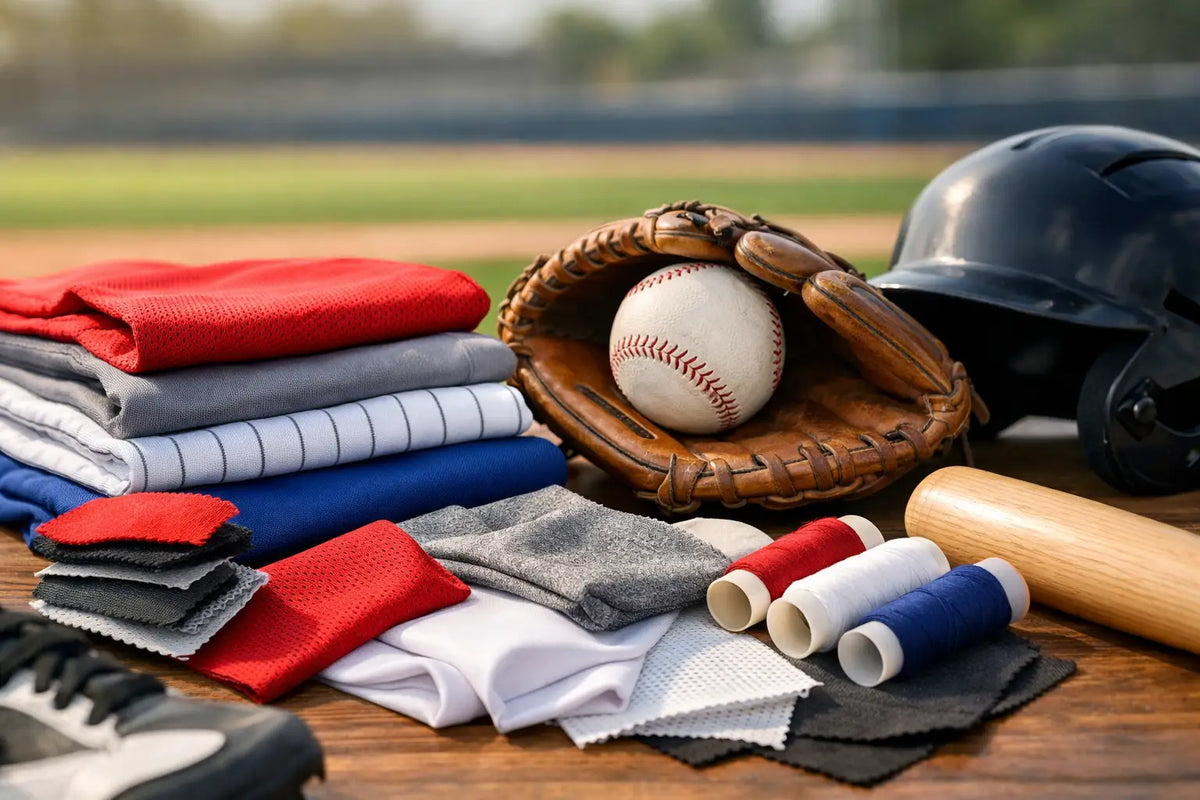
Start with your must-haves: glove, cleats, helmet, baseballs for practice, and league-legal bat if needed. Then add the gear that protects your weak spots or sharpens your strengths. If your hands get torn up, batting gloves make sense. If inside pitches change your approach, elbow protection is a smart move. If you train often, durable apparel and accessories that hold up through repetition become worth it fast.
A solid setup should make you feel prepared, not overloaded. Too much random gear can be as useless as not enough. The point is to carry tools with purpose.
For players who care about both performance and identity, that final layer matters too. The best gear does not just help you play better. It helps you show up with presence. That is where a brand like Vi Athletics fits naturally - quality gear, strong look, and the kind of confidence that belongs on the field.
Baseball is a game of details, and your gear is one of them. Choose pieces that protect you, support your game, and make you feel ready to compete every time you step onto the dirt. #BeAForce.