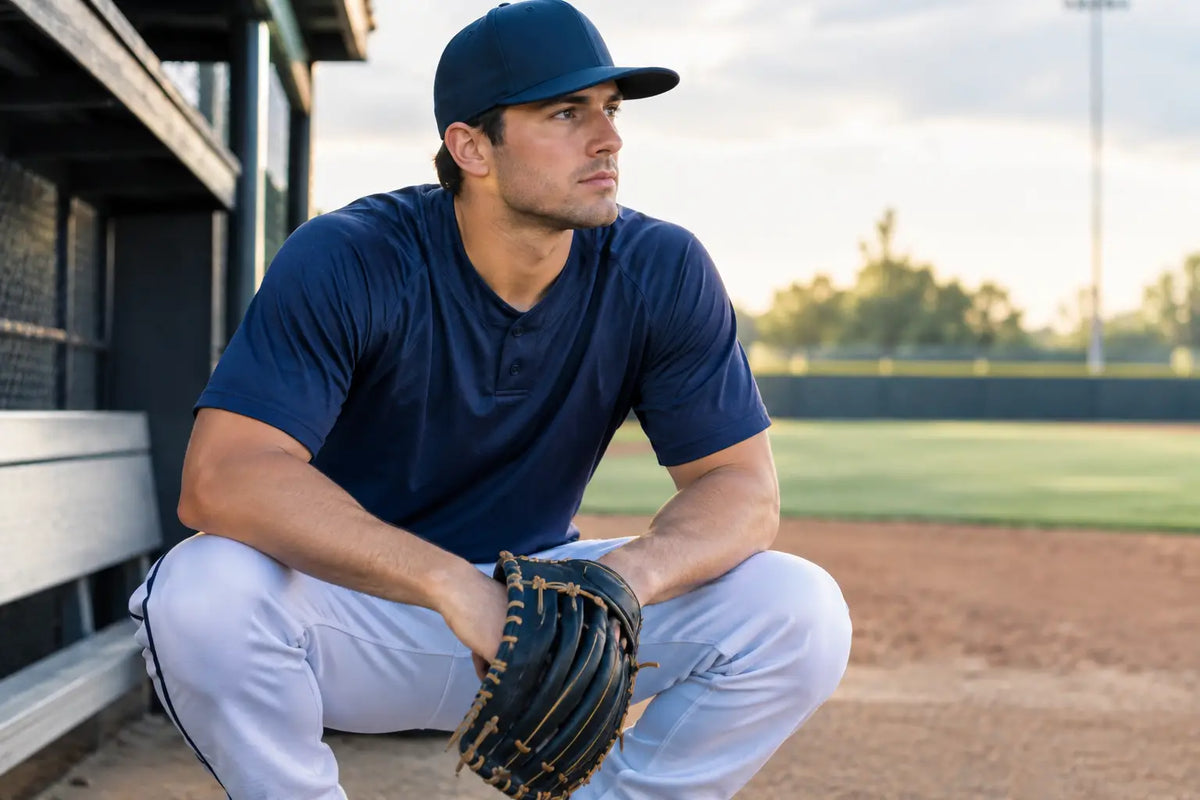
The ball gets there fast. Sometimes it tails into the dirt, sometimes it slices glove-side, and sometimes it jumps on you before you can think. That is exactly why players ask what is baseball gloves and why they matter so much. A baseball glove is the piece of fielding gear worn on one hand to catch, secure, and control the ball, but that simple definition misses the real point - the right glove gives you confidence, cleaner transfers, and better plays when the game speeds up.
For most right-handed throwers, the glove goes on the left hand so the right hand stays free to throw. For left-handed throwers, it is the opposite. That sounds basic, but it matters because a glove is not just hand protection. It is part of how a player fields the ball, receives it, funnels it, and gets rid of it under pressure.
What is baseball gloves used for?
Baseball gloves are built to help players catch and control a baseball with more consistency than a bare hand ever could. The leather or synthetic shell, the webbing between the thumb and fingers, and the pocket in the center all work together to absorb impact and keep the ball from popping loose.
Different positions ask for different jobs. An infielder needs a glove that helps with quick transfers. An outfielder needs more reach and a deeper pocket. A catcher needs heavy padding and a design made for receiving high-velocity pitches all game. A first baseman needs a shape that can scoop throws in the dirt. So when someone asks what is baseball gloves, the better answer is this: they are position-specific tools built for control, speed, and confidence on defense.
What a baseball glove is made of
Most baseball gloves are made from leather, synthetic materials, or a mix of both. Leather is the standard for serious play because it molds to the hand, breaks in over time, and usually lasts longer. It also tends to feel better once it is game-ready. The trade-off is that leather gloves often cost more and need patience during break-in.
Synthetic gloves are lighter and usually easier for younger players to handle right away. They can be a smart choice for beginners, casual players, or parents who do not want to overspend before a kid grows into the sport. The downside is durability. Many synthetic gloves simply do not hold their shape or performance as long as quality leather.
Inside the glove, padding helps reduce sting, especially on hard-hit balls. The laces hold the structure together and affect how well the glove keeps its form. The web style also changes performance. Open webs are common in the infield because they can help with quick visibility and fast transfers, while closed webs are often preferred on the mound for a little more ball concealment.
The main parts of a baseball glove
A glove is built around a few core parts, and each one affects play. The pocket is where the ball lands. Deeper pockets usually help with secure catches, while shallower pockets can speed up transfers. The web connects the thumb and fingers and helps trap the ball. The heel gives structure near the base of the palm. The fingers shape control and reach. The wrist opening and back design affect fit and comfort.
This is why two gloves of the same size can still feel completely different. One may close smoothly and feel quick. Another may feel stiff, bulky, or too loose. Size matters, but shape and construction matter just as much.
Types of baseball gloves by position
Position matters more than most new players realize. A glove that looks good on a shelf can still be wrong for the field.
Infield gloves
Infield gloves are usually smaller, with a shallower pocket. That setup helps middle infielders and third basemen field ground balls cleanly and get the ball out fast. If the pocket is too deep, transfers can slow down. For infielders, speed is everything.
Outfield gloves
Outfield gloves are longer and built with deeper pockets. That extra length helps players track down fly balls and extend for catches at the edge of their range. The deeper pocket also helps secure the ball on the move. The trade-off is that these gloves can feel less quick for rapid transfers.
First base mitts
A first base mitt is technically different from a standard glove because it has no individual finger stalls. It is longer and shaped to receive throws, stretch for picks, and scoop short hops. If you play first, this design is not optional flair. It is functional.
Catcher’s mitts
Catcher’s mitts are heavily padded and built to handle pitch after pitch. They are designed for receiving, framing, and blocking. They are also usually stiffer and more specialized than other fielding gloves, which makes them a poor fit for other positions.
Pitcher’s gloves
Pitchers often use gloves with a closed web. That can help hide grip changes before the ball leaves the hand. Beyond that, a pitcher’s glove usually balances control, comfort, and a clean pocket without being too bulky.
Sizing matters more than hype
A glove should fit the player, not just the position. Youth players need a glove they can actually close. If the glove is too stiff or too big, they fight the gear instead of learning the game. That is a fast way to lose confidence.
Older players can handle more structure and may prefer a glove with premium leather that forms to their hand over time. But even advanced players should be careful about going too large just for reach. More length is not always better if it slows the hand or creates a clumsy transfer.
Fit at the wrist matters too. A secure wrist opening helps the glove move with the hand, not against it. If the glove shifts on impact, ball control gets shaky fast.
Break-in changes everything
A new glove rarely feels perfect on day one. Leather needs work before it starts playing like an extension of the hand. That break-in process shapes the pocket, softens the hinge points, and makes opening and closing easier.
This is where patience pays off. A glove that is too stiff can make catches feel unnatural. A glove that is over-softened too quickly can lose structure. The sweet spot is a controlled break-in that creates a usable pocket while keeping the glove strong where it needs to be strong.
Players also have preferences here. Some want a thumb-to-pinky close for a deeper pocket. Others like a more traditional close. Neither is automatically right. It depends on position, style, and what gives the player the most control.
How to choose the right baseball glove
If you are buying a glove, start with position, age, and skill level. That narrows the field fast. A young player in coach pitch does not need the same glove as a varsity shortstop. A rec league outfielder does not need the same stiffness as a college-level infielder.
Material is next. If you want long-term performance and are willing to break it in, leather is usually the better play. If you want something lighter, more affordable, and easier right away, synthetic can make sense.
Then check feel. Can the player close it? Does the pocket make sense for the position? Is the wrist secure? Does it feel balanced in the hand? A glove can look tough and still play poorly if the fit is off.
Style matters too, but only after performance. Clean design, strong shape, and quality materials always beat hype. The best gear does not just show up well. It shows up when the ball is hit hard and the pressure is real.
What is baseball gloves really about?
At the surface, it is fielding equipment. In real game terms, it is trust. A good glove helps a player attack the ball instead of waiting on it. It helps turn panic into rhythm. It helps make tough plays look routine.
That is why the right glove is never just an accessory. It is part of how a player carries themselves on the field. You feel it on grounders in the sixth, on line drives in the gap, and on every throw you need to secure cleanly. Confidence is earned, but the right gear helps build it faster.
If you are choosing one, think beyond the label and focus on fit, position, material, and control. Get that right, and the glove stops feeling like equipment and starts feeling like part of your game. That is when you can play fast, play free, and Be A Force.