The fastest way to feel unprepared on game day is showing up with half your gear missing and the wrong half packed. A solid baseball equipment list keeps that from happening. It saves time, cuts stress, and makes sure you step on the field ready to play with confidence, not scrambling through the dugout.
Some players need the basics. Others need position-specific gear, training tools, or extra protection. That is why the best list is not just long - it is smart. You want equipment that fits your level, your position, and the way you play.
The core baseball equipment list
Every player starts with the essentials. If you are building a baseball equipment list from scratch, begin with the gear that affects every rep, every inning, and every practice.
A glove is first. It has to fit your hand, break in the right way, and match your position well enough to do the job. Infield gloves are usually smaller for quick transfers. Outfield gloves tend to be longer to help track down fly balls. First base mitts and catcher’s mitts are built differently for a reason, so trying to force one glove to do everything usually leads to weaker performance.
A bat is next, and this is where players and parents can waste money fast. The right bat depends on age, league rules, strength, and swing style. A lighter bat can help younger players find better control and bat speed. A heavier option may give a stronger player more pop, but only if they can still stay quick through the zone. The best bat is not the most expensive one. It is the one you can handle with authority.
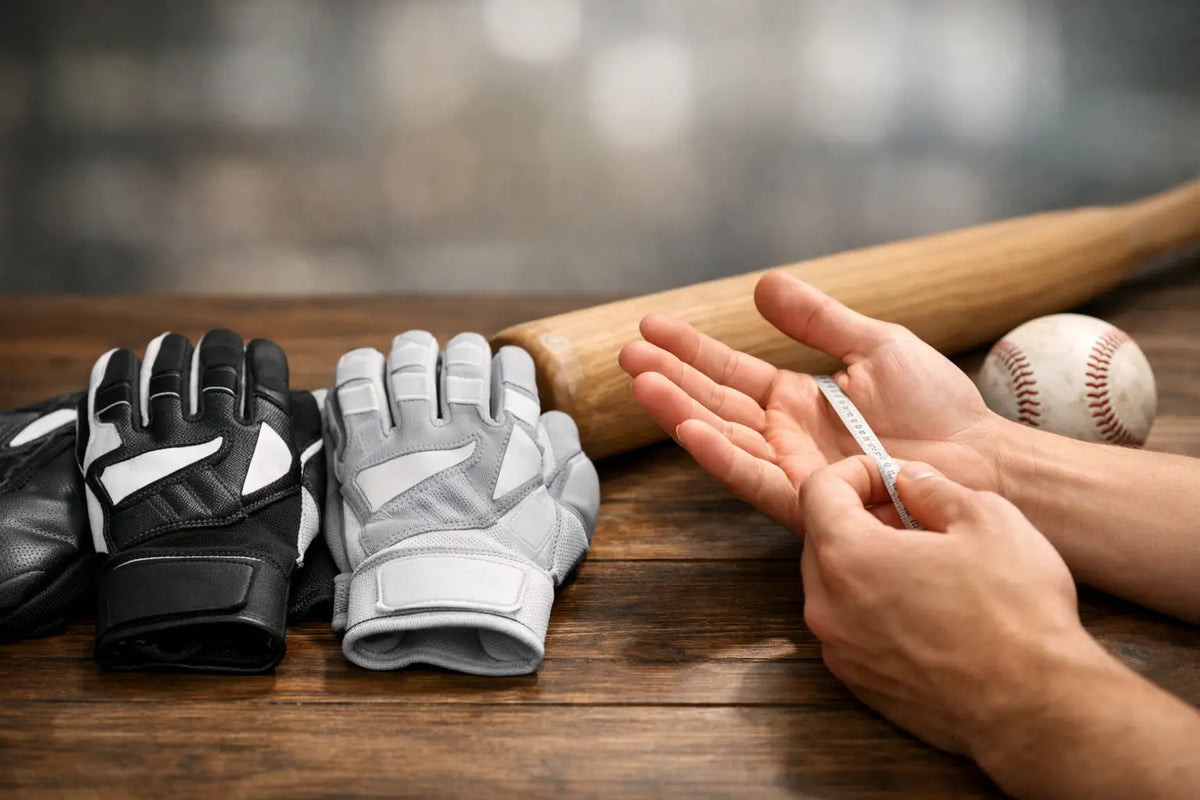
Batting gloves matter more than some people think. They improve grip, reduce sting, and help you stay comfortable through long practices and doubleheaders. If your hands are slipping or getting torn up, your swings change. Good batting gloves are not just about style, although style never hurts.
Cleats round out the must-have category. Traction changes everything - first-step quickness, balance in the box, and confidence on defense. Molded cleats are common for youth and many rec players. Metal cleats can offer more bite for older athletes, but league rules and age restrictions always come first.
Then there is the baseball itself. Teams usually supply game balls, but players serious about getting better should always have a few quality baseballs for throwing, fielding, and hitting work outside team practice. Reps matter, and extra baseballs mean fewer excuses.
Protective gear that belongs on your baseball equipment list
Protection is not optional if you want to stay available. Tough players know this. Missing games because you skipped the right gear is not grit. It is a bad decision.
A batting helmet is standard, and fit matters. Too loose and it moves around. Too tight and it becomes a distraction. Some players also add a face guard depending on age, comfort, and league expectations. If you are stepping in against live pitching, you want protection you trust.
Elbow guards and leg guards have become common for a reason. Players crowd the plate more, velocity keeps climbing, and one pitch can change a season. Extra protection can help hitters stay aggressive instead of flinching on inside pitches. That mental edge matters.
A protective cup is one of those items nobody wants to talk about until it is missing. For male athletes, it is basic game gear. Compression shorts or sliding shorts that hold it in place usually make the setup more comfortable and secure.
Sliding shorts are worth a look even for players who are not stealing every bag in sight. They can reduce bruising and help on awkward slides during practice and games. Catchers, middle infielders, and aggressive baserunners usually see the biggest benefit, but it depends on how often you are hitting the dirt.
Position-specific gear
Not every player needs the same bag. Position changes the list fast.
Catchers need the full setup: catcher’s mitt, helmet or mask, chest protector, shin guards, and often a protective throat guard depending on the mask style and league. This is one area where cheap gear can cost you. Catching is demanding, and comfort matters almost as much as protection because bad fit wears you down over nine innings and a full weekend tournament.
First basemen should use a proper first base mitt. It helps with scoops, stretches, and handling throws from every angle. Yes, some players try to get by with a standard glove. No, it is not the same.
Middle infielders often prefer gloves with quicker break-in and faster transfer feel. Outfielders usually lean toward a little more length and reach. Pitchers may care more about pocket shape, comfort, and a glove design that helps hide the grip.
If you are a pitcher, rosin, a towel, and good cleat condition belong on your radar too, even if they are not the flashy items. A sloppy mound setup can throw off everything.
Practice gear that helps you improve
Game gear gets the attention. Practice gear builds the player.
A batting tee is one of the best training tools you can own. It is simple, portable, and effective. Hitters at every level use tees because they let you lock in swing path, contact point, and barrel control without depending on a pitcher or machine.
Training balls can help too. Regular baseballs are essential, but weighted balls, reduced flight balls, or small training balls can all have a place if used correctly. The key is purpose. Do not buy random tools just because they look serious. Buy what matches the skill you are trying to sharpen.
A net can turn a backyard, garage edge, or open space into a useful work area. Add a tee and a bucket of balls, and you have a real rep station. For throwing, rebounders and target nets can help players get extra defensive work without needing a full team setup.
Resistance bands are another smart add. They are not baseball-specific in appearance, but they support warmups, shoulder care, and mobility. Players who throw a lot should not treat arm care like an afterthought.
What players forget most often
A lot of baseball equipment lists cover the big-ticket items and miss the stuff that actually ruins a day when forgotten.
A gear bag matters. If your bag cannot hold your glove, helmet, cleats, extra clothes, and smaller accessories without turning into a mess, packing becomes a problem. A good bag keeps everything organized and easy to grab when the pace picks up.
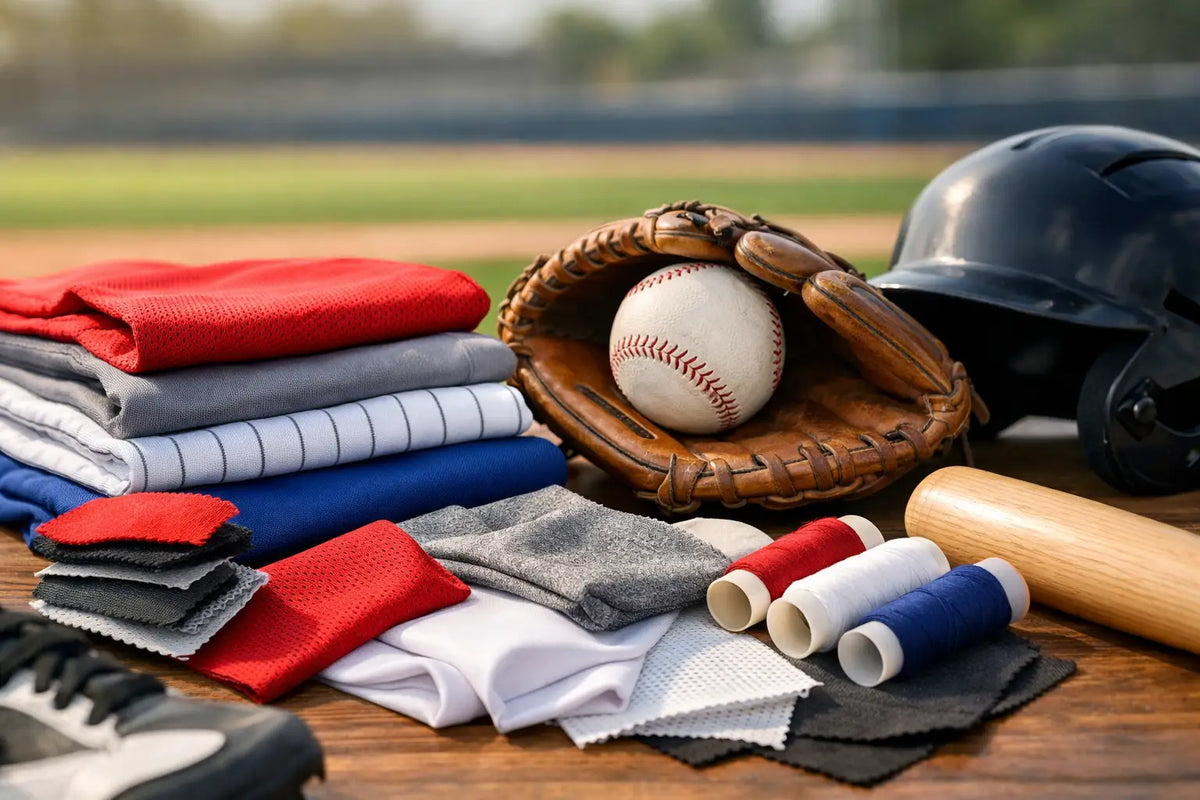
Water bottles, extra socks, athletic tape, sunglasses, and a small towel are easy to overlook. So are belt, baseball pants, and practice shirts if your team does not fully supply them. Some players also keep extra batting gloves or an extra grip in the bag because sweat, rain, and long tournament days can wear things out fast.
If you wear eye black, use it. If you need sunscreen, pack it. Performance is not just about the swing or the glove work. It is also about being comfortable enough to stay locked in for the full game.
How to build the right baseball equipment list for your level
Youth players usually need a simpler setup. The priority is fit, safety, and durability. Overspending on highly specialized gear too early does not always make sense because young athletes grow fast, and league rules can limit what they can use anyway.
Teen and high school players often need more refined choices. Competition gets sharper, roles get more specific, and gear starts affecting performance in a bigger way. This is where glove preference, bat feel, and protective add-ons start becoming personal, not just practical.
Recreational adult players can go either way. Some need only the basics for a weekly league. Others want a fuller setup because they train seriously and care about every edge. There is no wrong approach if the gear matches how often you play and what your body needs.
Parents should think about three things before buying: league rules, growth, and frequency of use. A player who practices three times a week needs something different than a player in a short spring season. Better gear usually pays off when it gets used often.
Quality, fit, and swagger all matter
A baseball equipment list should do more than cover the bare minimum. It should help you play free, move with confidence, and show up looking like you belong. Quality matters because bad gear breaks down. Fit matters because distractions cost performance. And yes, swagger matters too, because athletes play better when they feel ready.
That does not mean buying everything at once. Start with the pieces that impact your game most, then build from there. If your hands take a beating, prioritize batting gloves. If you live in the cage, get a tee and net. If you attack inside pitches, get protection that lets you own the box. Brands like Vi Athletics speak to that mindset - performance first, confidence included.
The best gear setup is the one that keeps you prepared when the game speeds up. Pack with purpose, choose equipment that fits your role, and make every item earn its spot in the bag. When your baseball equipment list is built right, you stop thinking about what you forgot and start focusing on how you are about to show up.