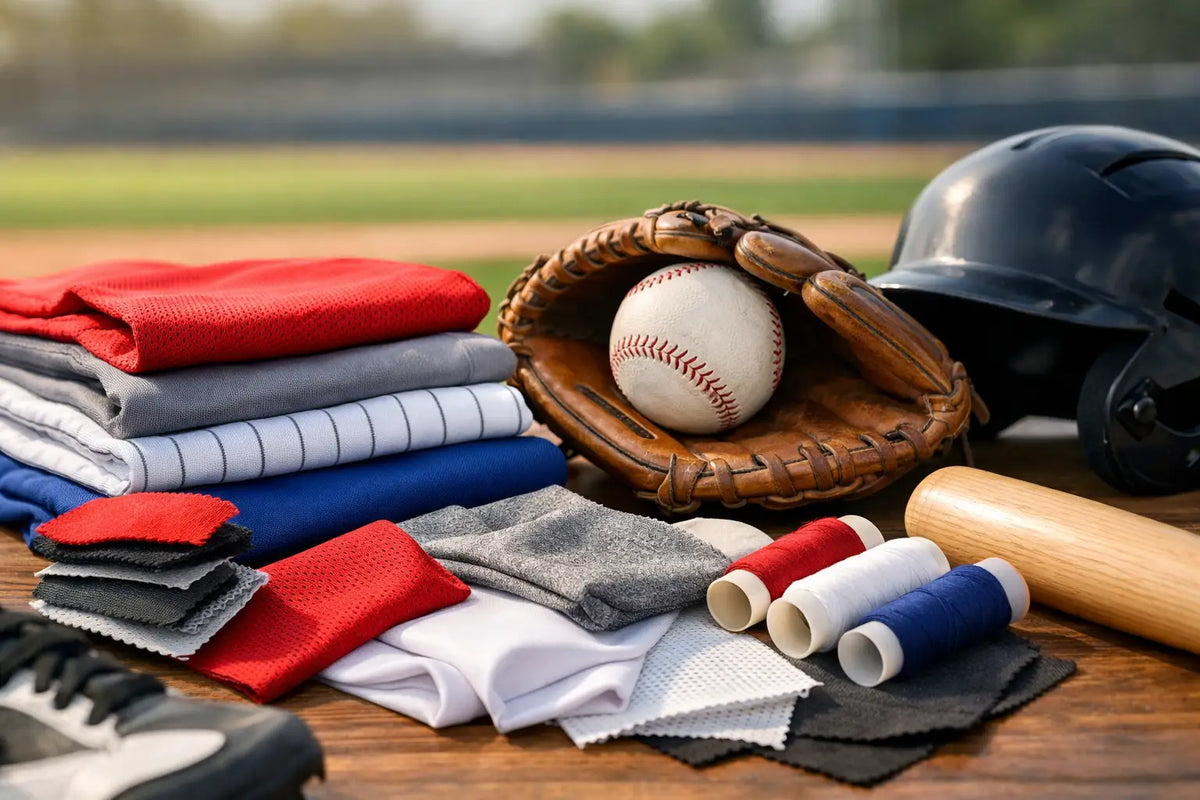
The difference between a wasted practice and a sharp one usually is not effort. It is gear. The best baseball equipment for practice helps players get more clean reps, stay protected, and train with purpose instead of just going through the motions.
That matters whether you are a youth player learning the basics, a high school athlete chasing varsity innings, or a parent trying to buy gear that will hold up for more than one season. Good practice equipment should make training simpler, safer, and more consistent. It should not feel flashy for the sake of it. It should feel ready.
What makes the best baseball equipment for practice?
The short answer is utility. Practice gear has to survive repetition. It has to be easy to use, durable enough for daily work, and specific enough to help a player improve one part of the game without creating bad habits somewhere else.
That is why the best setup usually is not the biggest one. A player does not need every training gadget on the market. Most players need a strong core of essentials that match their age, skill level, and position. A catcher needs different practice priorities than a middle infielder. A 10-year-old beginner needs different gear than a travel ball hitter facing high velocity.
The smartest way to build a practice bag is to start with the tools that affect every rep, then add specialized equipment where it actually makes sense.
The core practice gear every player should own
A glove is still the center of everything. If it is too stiff, too loose, or the wrong size for the player, every fielding rep gets worse. Practice gloves should feel dependable, not distracting. For younger players, that often means something light and easy to close. For older players, it means a glove broken in enough for clean transfers but firm enough to keep its shape. The right glove for practice is not always the most expensive one. It is the one that lets a player repeat good mechanics.
Baseballs matter more than people think. Cheap practice balls that lose shape or feel slick can ruin the quality of throwing and hitting work. A solid set of baseballs gives players a more honest read off the bat, out of the hand, and into the glove. If a team or family is buying for regular backyard and cage sessions, having enough baseballs on hand is almost as important as the quality itself. Nothing kills momentum faster than stopping every few swings to collect one ball.
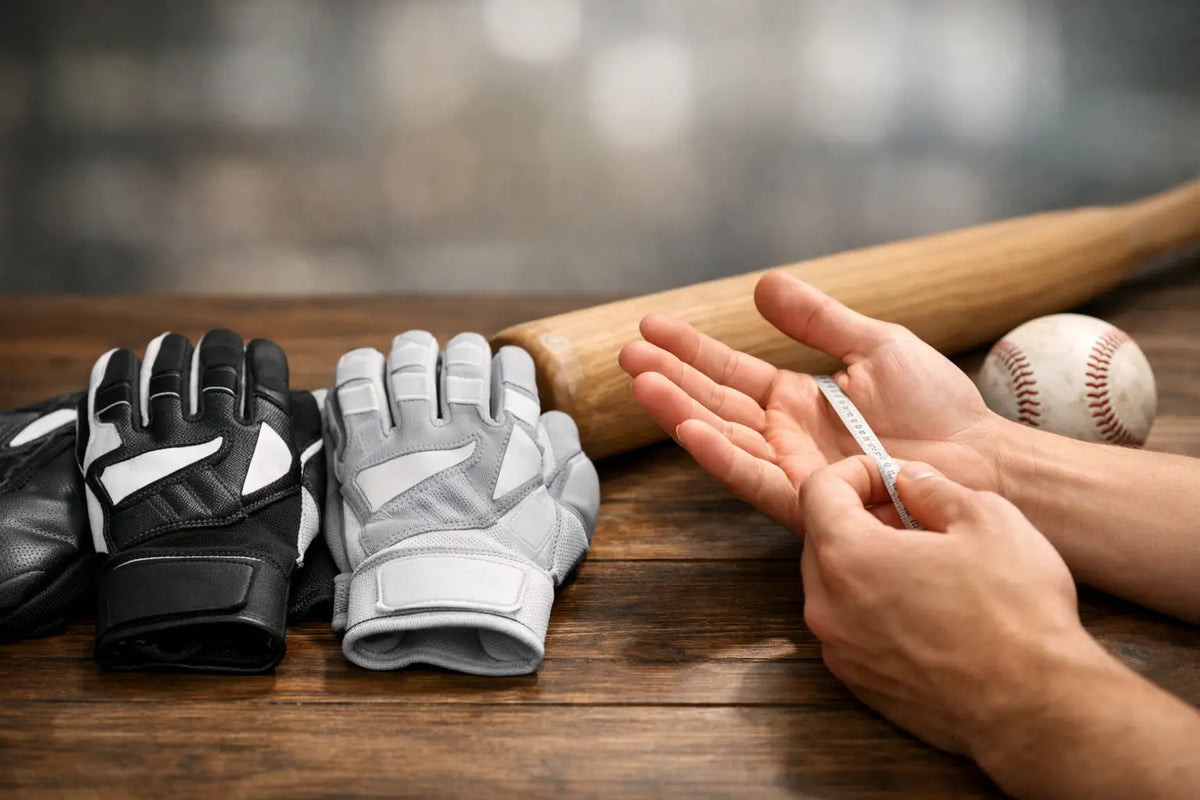
Batting gloves are another practical piece that gets overlooked until hands start tearing up. During heavy tee work, soft toss, or long cage rounds, batting gloves help players keep a secure grip and reduce the wear that comes from repeated swings. Fit matters here. Too loose, and the player loses feel. Too tight, and they become uncomfortable halfway through a session.
Protective gear belongs in the practice conversation too, not just game day. Elbow guards, wrist protection, and similar gear can give hitters the confidence to stay in on inside pitches during live work or machine reps. That is not about fear. It is about commitment. When a player trusts their equipment, they can attack the rep instead of flinching through it.
Hitting tools that actually improve practice
For most hitters, the best investment after the bat itself is a hitting tee. It is simple, but that is the point. A tee strips away timing pressure and lets players focus on path, contact point, and balance. It is one of the few tools that works for almost every age group. The trade-off is that tee work alone does not train pitch recognition, so it should be part of a mix, not the whole plan.
A net changes everything for home practice. It turns a yard, driveway, or open space into a usable training area and makes it easier to get high-volume swings without chasing balls all over the place. For families and solo players, that convenience is huge. The better nets are stable, easy to set up, and built to take repeated impact. If the frame is flimsy or the netting sags too quickly, players stop trusting it.
Weighted balls for hitting drills can help with overload and underload work, but they are not automatic upgrades. Used correctly, they can sharpen intent and strengthen swing-specific movement. Used carelessly, they can mess with feel and mechanics. Younger players especially need a simple plan, not random heavy-ball swings. If the goal is clean barrel control and repeatable movement, standard reps still do most of the work.
Pitching machines can be valuable, especially for timing and volume, but they are not perfect. They help hitters see speed and get a lot of swings in a short time. They do not fully replace live at-bats because real pitchers change tempo, location, and shape. A machine is best when used as one layer of practice, not the entire system.
Fielding and throwing equipment worth having
A rebounder or pitch-back net is one of the best tools for solo fielding work. It gives players quick hands reps, ground ball reactions, and short-hop practice without needing a full partner. Infielders get a lot out of this kind of setup because repetition builds comfort. The key is angle and consistency. A poor rebound surface gives strange hops that train chaos instead of skill.
Training balls have a place too. Smaller balls can sharpen focus and hand-eye coordination. Softer balls are useful for younger athletes and indoor drills. Flat seam or limited-flight balls help in certain environments where full-distance reps are not practical. The important thing is using the right ball for the right drill. Training balls are support tools. They should not replace standard baseballs entirely.
Throwing work gets better when players have clear targets. That can be as simple as a net with a strike zone attachment or a marked wall area for accuracy. Players do not just need to throw hard in practice. They need to throw on line, with intent, and under control. A target gives each throw a purpose.
For catchers, practice gear has to take a beating. A reliable mitt, protective set, and a supply of durable balls matter fast because catchers absorb more reps than almost anyone on the field. Blocking drills, receiving work, and throw-down reps all demand equipment that can hold up without constant adjustment.
The best baseball equipment for practice depends on age and level
For youth players, the best gear is usually the simplest gear. A properly sized glove, a dependable bat, batting gloves, a tee, a few good baseballs, and a net can cover a lot. Kids improve with clean repetition, not overloaded training plans. Equipment should help them enjoy practice and build confidence.
For middle school and high school players, durability and position-specific training start to matter more. This is where better protective gear, stronger gloves, more advanced hitting tools, and throwing targets become smart additions. At this level, poor equipment starts showing up in performance. Reps get more intense, and weak gear gets exposed.
For serious travel ball or year-round players, the conversation shifts again. Volume goes up. Recovery matters more. So does the quality of materials. These players need equipment that can survive constant use and still feel right every session. Buying cheap over and over usually costs more than buying solid gear once.
How to choose gear without wasting money
The best practice setup is not built around hype. It is built around use. If a player is going to touch a tool every week, invest there first. If a product sounds exciting but will sit in the garage after two sessions, it is not really helping.
Start with the essentials that affect the most reps: glove, baseballs, bat, batting gloves, and basic protection. Then look at how the player trains. A hitter practicing at home may get more value from a tee and net than from any advanced gadget. A fielder working alone may benefit most from a rebounder and target setup.
Fit and feel should lead the decision. This is especially true for gloves and protective gear. If equipment is uncomfortable, players stop using it or use it wrong. Durability should come right behind that. Practice gear is supposed to get used hard. If it cannot handle repeated reps, it is not really practice gear.
For athletes and parents shopping performance-first gear with style that still shows up ready to work, brands like Vi Athletics make sense because the mindset matches the mission - show up prepared, protected, and ready to be a force.
Build a practice setup that makes reps count
The best baseball practice gear does not need to look complicated. It needs to help players train more often and train better. That means equipment that is durable, comfortable, and built for repetition, not just shelf appeal.
When players trust their gear, they play faster, swing freer, and practice with more edge. That is the whole point. Buy for the reps you are actually going to take, and let your equipment push your work in the right direction.