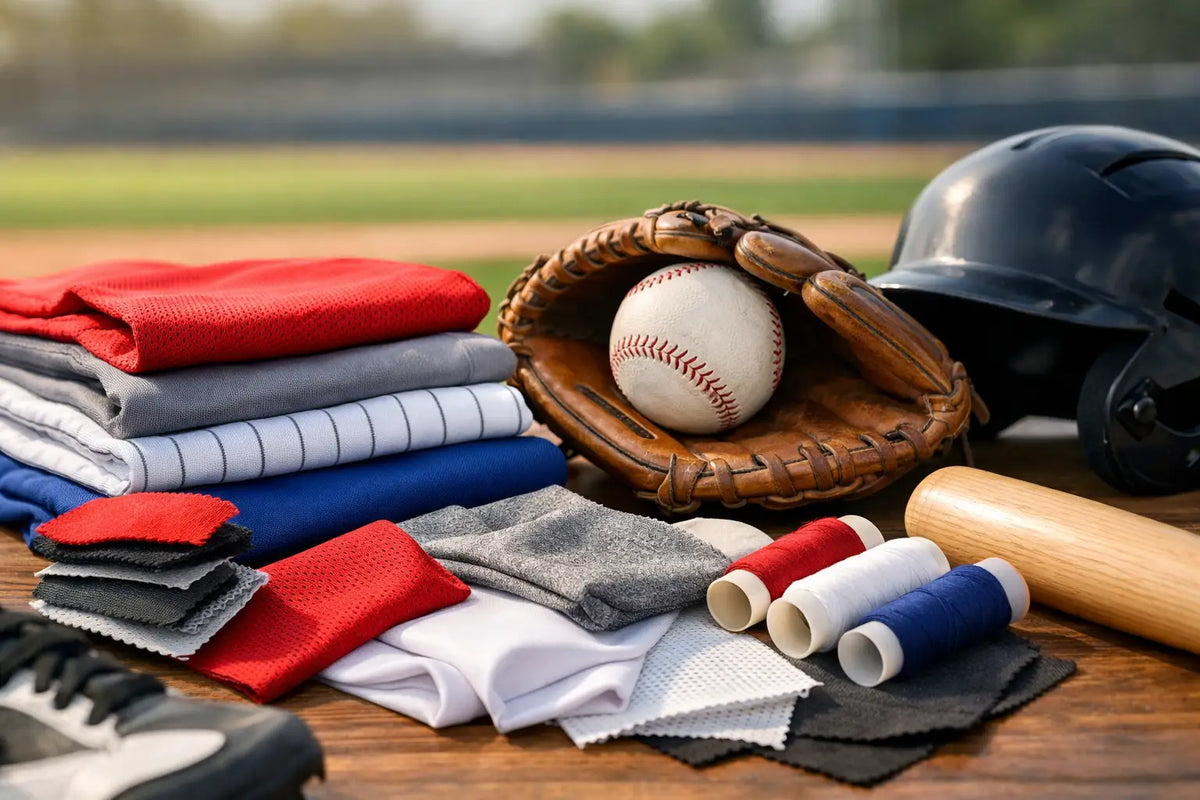
A glove tossed in the garage, cleats still damp from last night, batting gloves stuffed in a side pocket - that’s how good gear gets beat before game day even starts. If you’re wondering how to store baseball equipment so it lasts longer, smells better, and stays ready to grab, the answer is simple: treat your setup like part of your performance.
Good storage is not about looking organized for five minutes. It’s about protecting the gear you trust when the game speeds up. Gloves can dry out. Bats can get dinged up. Wet gear can turn into a smell you do not want in the car. A strong storage routine keeps your equipment clean, shaped right, and ready when it’s time to compete.
Why how to store baseball equipment matters
Baseball gear takes a beating. Dirt, sweat, heat, moisture, and being thrown into a trunk all add up fast. Even quality equipment wears down quicker when it’s stored wrong.
The biggest mistake is thinking storage starts when the season ends. It starts after every practice and every game. A few extra minutes can help your glove hold its pocket, keep your batting gloves from cracking, and stop protective gear from getting funky.
There’s also a money side to this. Gear is not cheap, especially when you’re replacing gloves, guards, cleats, and accessories for a growing player. Better storage means fewer avoidable replacements. That’s a win for serious players and parents alike.
Start with the post-game reset
Before anything gets put away, it needs a quick reset. This is where most storage problems begin or get solved.
Empty the bag completely. Shake out dirt, turf pellets, tape scraps, and sunflower seed shells. Wipe down hard gear like helmets, elbow guards, and shin protection with a clean cloth. Let anything sweaty or damp air out before it goes back in. If you zip wet gear into a bag and leave it overnight, you’re basically training mildew.
This does not need to be a long process. Five to ten minutes is enough for most players. The point is to stop moisture and grime from sitting on your equipment for days.
Store gear dry first, organized second
A lot of players focus on neatness and skip the real priority. Dry beats tidy every time.
If your cleats are wet, your uniform is damp, or your batting gloves are soaked with sweat, do not seal them in a bag or plastic bin. Airflow matters. Open space, mesh compartments, hooks, and shelves all work better than cramming everything into one closed container.
Once gear is dry, then organize it by how you actually use it. Keep game-day essentials together. Gloves, guards, batting gloves, and smaller accessories should be easy to reach, not buried under old practice balls and random tape.
A simple home setup usually works best: a shelf for helmets and gloves, hooks for bags and guards, and a ventilated spot for cleats. If you have a young athlete at home, this also makes it easier for them to build their own routine instead of asking where everything went.
How to store baseball equipment by category
Different gear needs different treatment. If you store everything the same way, some of it will hold up fine and some of it will get wrecked.
Gloves
Your glove needs shape, moderate temperature, and dry conditions. Do not leave it in a hot car, a damp garage corner, or under a pile of gear. That can dry the leather out, warp the pocket, or flatten the glove in weird ways.
The best move is to store it on a shelf or in a cubby where nothing heavy sits on top of it. A ball in the pocket can help maintain shape, especially during the offseason. If the glove is damp, let it air dry naturally. Skip direct heat like a vent, heater, or hair dryer. Fast heat can make leather stiff and brittle.
Bats
Bats look tough because they are tough, but storage still matters. Keep them in a cool, dry place where they are not constantly falling over or banging into concrete. Extreme heat or cold is not ideal, especially for composite bats.
A bat rack, vertical corner holder, or designated section in your bag works well. What you want to avoid is leaving bats loose in the trunk for weeks or stacking heavy gear on top of them.
Cleats
Cleats are usually the biggest source of stink, moisture, and dirt. Knock off mud and dirt before bringing them inside. Pull them out of the bag after every use and let them fully dry.
Do not store cleats in sealed plastic containers unless they are already dry. A tray near the garage entry, a ventilated shelf, or a boot rack works better. If they stay wet often, stuffing them lightly with paper towels for a few hours can help pull out moisture.
Batting gloves and sliding mitts
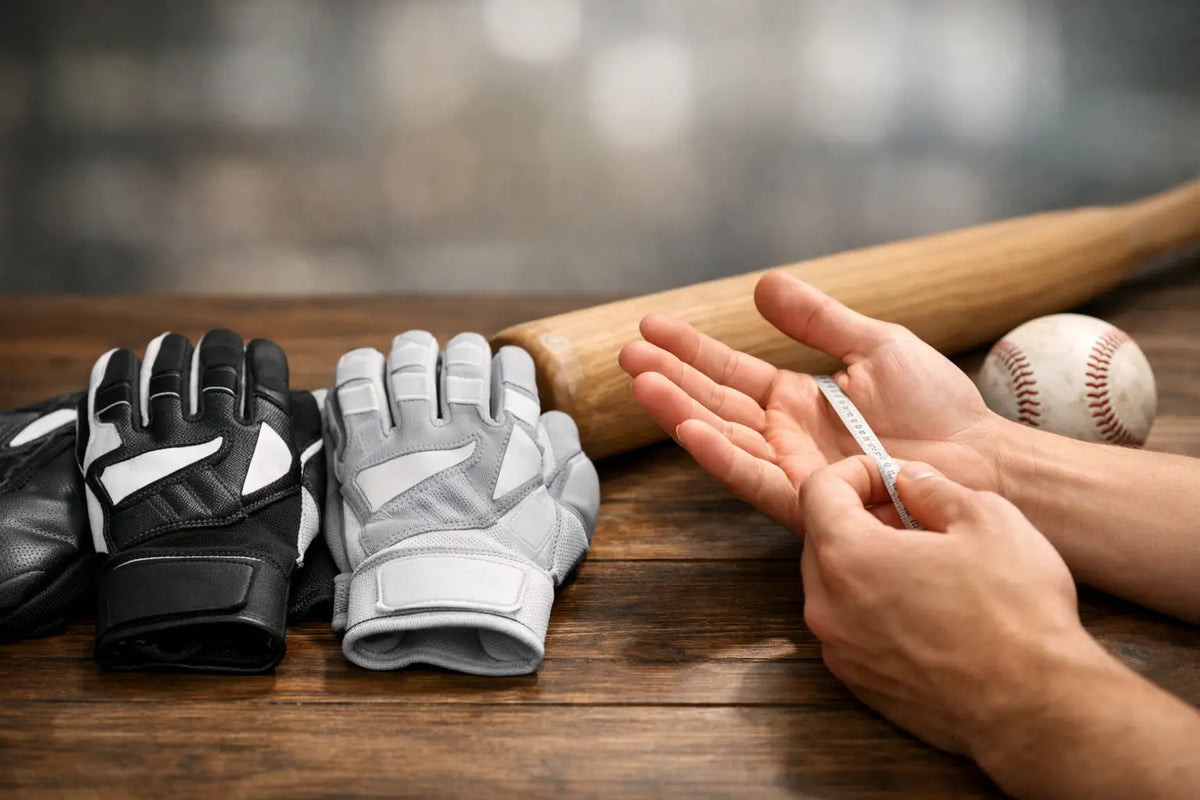
These smaller items get abused because they’re easy to cram anywhere. Don’t do that. Batting gloves should be opened up and dried flat or hung after use. If you wad them up in a side pocket, they’ll keep moisture longer and wear out faster.
Sliding mitts and padded accessories should also air out before being stored. Once dry, keep them in one small basket, drawer, or bag section so they do not disappear right before first pitch.
Helmets and protective gear
Helmets, elbow guards, and other protective pieces should be wiped down regularly and stored where they will not get crushed. Tossing them under heavier gear can crack finishes, bend straps, or just make them harder to find fast.
A shelf is better than the floor. A dedicated bin can work too, as long as the gear is clean and dry first.
The best places to store baseball gear at home
The right storage spot depends on your space, but the same rules apply everywhere: cool, dry, and easy to access.
A mudroom, laundry room, bedroom corner, or garage wall setup can all work. The garage is common, but it depends on your climate. If your garage gets brutally hot in summer or damp in wet weather, it may not be the best place for gloves or premium gear. Hard equipment can usually handle more, but leather needs better conditions.
For families, a “baseball zone” makes life easier. One wall, one shelving unit, or one bench area is enough. When every item has a home, gear is less likely to get lost, stepped on, or left in the wrong bag.
If you travel a lot for tournaments, keep a packed-ready system. Have one section for always-needed items and another for backup gear. That setup saves time and cuts down on panic packing.
Offseason storage takes a different approach
How to store baseball equipment during the season is about access. Offseason storage is about protection.
Before putting gear away for a longer stretch, clean everything well. Wipe down hard surfaces, remove dirt, and make sure every item is fully dry. Gloves may need leather care depending on their condition. Uniforms and soft goods should be washed and dried before being packed.
Avoid vacuum-sealing baseball gear or stuffing it into overfilled bins. Compression can misshape gloves and crease items that should keep their form. Use breathable containers when possible, and check stored gear once in a while. Long-term neglect can do damage even when the gear is not being used.
Common storage mistakes that cost players
The worst storage habits are usually the easiest ones: leaving gear in the car, sealing up wet equipment, piling everything in one bag, and storing premium items in extreme temperatures.
It also hurts to ignore small damage. A loose lace, worn strap, or cracked buckle will not fix itself while sitting on a shelf. Storage time is a smart time to spot issues before they become game-day problems.
Another mistake is carrying way more than you need. An overloaded bag beats up your gear from the inside. If you clean out old baseballs, broken tees, wrappers, and unused extras, your real equipment has more room and less friction.
Build a setup that players will actually use
The best storage system is not the fanciest one. It’s the one you can stick with after a long game, a late practice, or a weekend tournament.
For younger players, simple wins. Open hooks, labeled bins, and one easy shelf beat a complicated system every time. For older athletes, the goal is speed and consistency. If it takes two minutes to reset your gear, you’ll do it. If it takes twenty, you won’t.
That’s where quality gear and smart habits work together. Strong equipment deserves better than getting buried under dirty socks and old tape. At Vi Athletics, that mindset is part of the standard - look sharp, stay ready, and protect the gear that helps you play like a force.
Baseball equipment lasts longer when you respect it between games, not just during them. Set up one clean, dry, reliable spot for your gear, and the next time you need to move fast, everything will already be ready for you.