The wrong batting gloves show up fast - slipping on the handle, bunching at the palm, tearing at the thumb, or turning stiff after a few cage sessions. That is why leather gloves vs synthetic is not a small gear debate for baseball players. It affects grip, comfort, durability, and how confident you feel stepping into the box.
Some players swear by leather from day one. Others want synthetic because it feels lighter, costs less, and handles sweat better. Both sides have a case. The better pick depends on how often you play, how hard you train, what kind of feel you want, and how much abuse your gloves need to take.
Leather gloves vs synthetic: what changes on the field?
In baseball, batting gloves have one job that matters most - help you stay locked in through every swing. Material changes how that happens.
Leather usually gives you a more premium feel. It is soft, natural in the hand, and tends to mold to your grip over time. A strong leather palm can give hitters that connected feel on the bat handle that many players love, especially once the glove breaks in.
Synthetic materials are built for flexibility and convenience. Depending on the blend, they can feel lighter right away and often need less break-in. Many synthetic gloves are designed to stretch, breathe, and dry faster, which matters in hot weather, long tournaments, and back-to-back games.
This is not a clean win for one side. Leather often feels better. Synthetic often asks less from you.
Why players choose leather batting gloves
Leather has stayed popular for a reason. Good leather batting gloves feel serious. They usually fit closer, move better with your hand after a few uses, and can give a more natural grip feel than cheaper synthetic options.
For hitters who care about feedback through the bat, leather is tough to beat. You can feel the handle without feeling disconnected or over-padded. That matters for players who are fine-tuning swing mechanics and do not want their gloves to feel bulky.
Durability can also be a strength, but only when the leather quality is actually good and the gloves are cared for. Strong leather palms often hold up well through regular use, though they can dry out, stiffen, or wear faster if they stay soaked with sweat and get stuffed into a bag after every game.
There is also the style factor. Leather tends to look cleaner and more premium. For players who want their gear to perform and carry some swagger, that matters too.
Where leather can fall short
Leather usually costs more. That is the first trade-off.
The second is maintenance. Leather does not love moisture. If you train in extreme heat, sweat heavily, or play a packed schedule, leather can start to feel stiff or worn if you do not let it dry properly. It may also need a little time to break in before it feels perfect.
For younger players, that can be a real issue. A glove that needs time and care is not always ideal when you just need something comfortable now.
Why synthetic batting gloves keep winning players over
Synthetic gloves are built for convenience and range. Many come game-ready with no real break-in period, which makes them appealing for youth players, parents buying in-season, and athletes who need a reliable backup pair fast.
They also tend to perform well in rough conditions. Synthetic materials usually handle moisture better than leather, dry faster, and keep their general shape with less maintenance. If your gloves get drenched with sweat during summer ball, that is not a small advantage.
Another big plus is value. Synthetic batting gloves are often more affordable, which matters when you are buying for a fast-growing player, replacing worn gear often, or carrying multiple pairs through a long season.
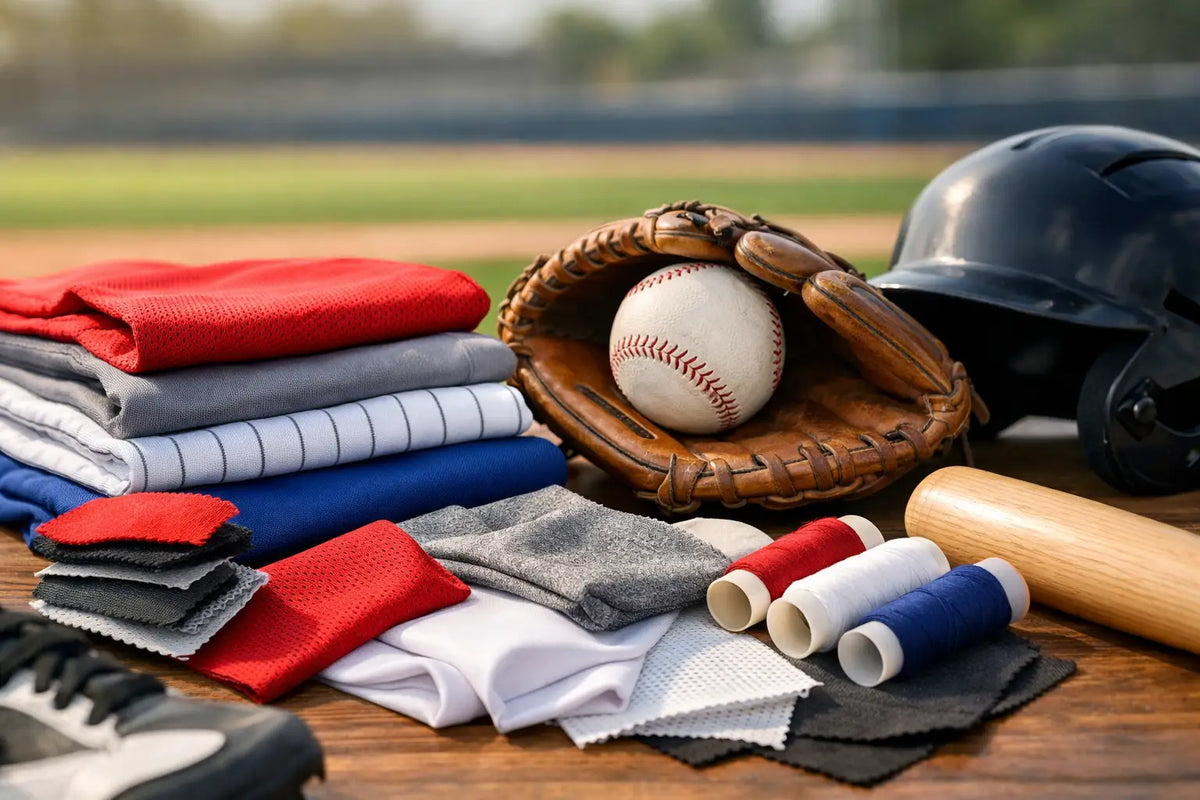
There is also a design advantage. Synthetic blends can be engineered for stretch zones, breathable panels, reinforced wear spots, and bold styling. If you want gloves that look fast and feel light, synthetic makes that easier.
Where synthetic can lose ground
The biggest drawback is feel. Even strong synthetic gloves do not always match the soft, connected hand feel of quality leather. Some players notice that right away. Others only notice it after they have used better leather gloves before.
Synthetic can also vary a lot from model to model. Some pairs are durable and flexible. Others feel thin, plasticky, or too slick. Lower-end synthetic gloves may wear through faster in high-friction areas, especially for power hitters or players who train multiple days a week.
So yes, synthetic can be the practical pick. It is not automatically the performance pick for every hitter.
Fit matters more than material for some players
A great material in a bad fit is still a bad glove.
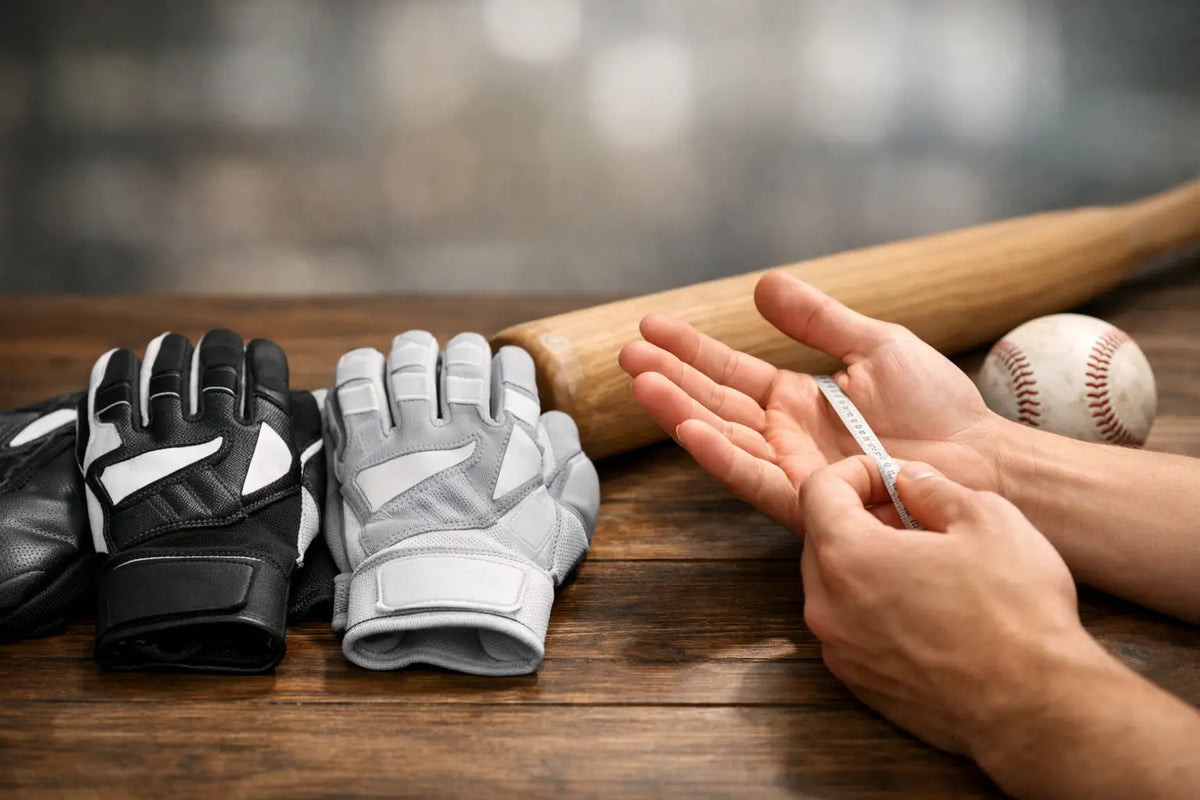
If the glove slides at the palm, pinches between the fingers, or leaves extra space at the fingertips, your grip and comfort suffer. That can lead to bunching, blisters, and a constant need to readjust between pitches. For some players, especially younger athletes, a properly fitted synthetic glove will outperform an expensive leather pair that does not fit right.
This is especially true for baseball players still growing into their gear. Parents often focus on durability first, but fit and immediate comfort can matter more if the goal is helping a player feel confident and ready to compete.
A glove should feel secure without cutting off movement. You want control, not restriction.
Leather gloves vs synthetic for different types of players
If you are a serious high school player, travel ball athlete, or someone who spends a lot of time hitting, leather may be worth it. The feel, grip connection, and premium comfort can justify the higher price if you are using the gloves enough to get the benefit.
If you are buying for a younger player, a rec league athlete, or someone who wants dependable gloves without the extra upkeep, synthetic often makes more sense. It is easier, usually cheaper, and often more forgiving in hot or messy conditions.
If you train hard but do not want to baby your gear, hybrid designs can be the sweet spot. Some batting gloves combine leather palms with synthetic backs, giving you grip where it matters and flexibility where you want it. For a lot of players, that is the real answer. Not pure leather. Not pure synthetic. The best mix for the job.
What to look at besides material
Material gets the headline, but construction decides a lot of the real-world performance. Pay attention to the palm thickness, stitching quality, thumb reinforcement, wrist closure, and ventilation. Those details shape how long the gloves last and how they feel after repeated swings.
A thin palm may give you more bat feel but wear down faster. Extra reinforcement can help durability but may reduce touch. A tighter wrist strap can create a more secure fit, but if it is too stiff, it can get annoying over long practices.
That is why the best choice is rarely just leather versus synthetic in the abstract. It is about how the glove is built for your kind of baseball.
So which one should you buy?
Buy leather if you want premium feel, stronger bat connection, and a glove that molds to your hands over time. It is a stronger fit for players who are in the cage often, care about detail, and want gear that feels as sharp as it looks.
Buy synthetic if you want comfort right away, easier care, better moisture handling, and solid value. It is a strong call for youth players, tournament schedules, backup gloves, and anyone who wants performance without extra maintenance.
If you are stuck in the middle, go hybrid. For a lot of players, that is the most balanced move. You get feel where it counts and flexibility where it helps.
At Vi Athletics, that mindset fits the game. Choose gear that matches how hard you play, how often you train, and how you want to show up. The best batting gloves are not the pair with the loudest claim. They are the pair that lets you grip it, rip it, and walk back to the dugout knowing your gear showed up with you. Keep it simple - pick the glove that makes you feel ready to be a force.