Rec league baseball should feel fun, but showing up underprepared is never fun. The right baseball gear for rec leagues lets players focus on tracking the ball, taking confident swings, and making the next play instead of fighting a stiff glove or a helmet that will not stay put.
You do not need a pro-level bag loaded with expensive equipment. You need dependable gear that fits, holds up to weekly practices and games, and gives you the confidence to play hard. Start with the essentials, then add performance pieces where they will make a real difference.
Start With the Gear You Use Every Pitch
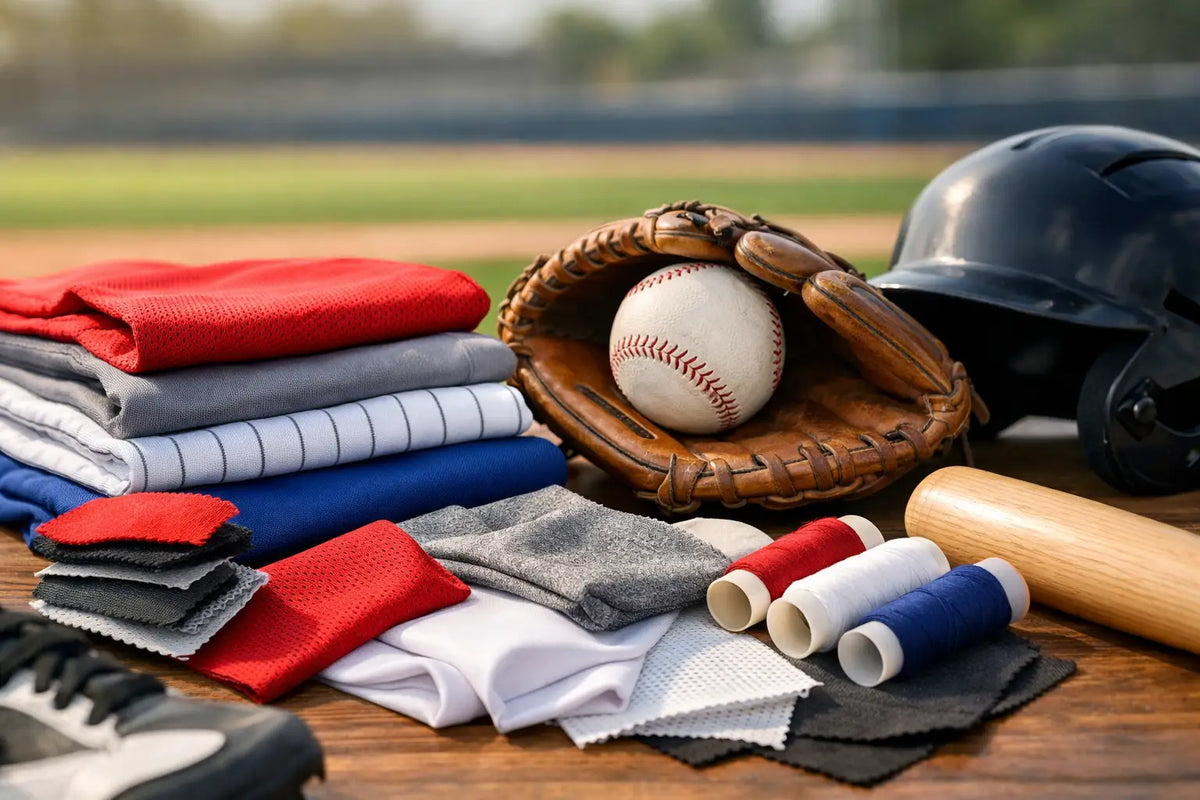
A glove, batting helmet, cleats, and athletic cup are the foundation for most rec league players. Add a bat if the league does not provide one or your player wants a more consistent feel at the plate. Everything else should support those core pieces.
The biggest mistake is buying for looks alone or buying oversized gear because a player might grow into it. A glove that is too large is harder to close. Cleats with extra room can cause slipping. A helmet that shifts when running the bases is not doing its job. Good gear has swag, but fit comes first.
The glove: control starts here
For younger players who move between the infield and outfield, a versatile glove is usually the smart call. Look for a manageable size and a pocket that closes without a fight. Youth players often do well with an 11 to 11.5-inch glove, while older players can choose based on position and comfort.
Infielders generally benefit from a smaller glove with a shallower pocket for quick transfers. Outfielders can use a longer glove that gives them more reach and helps secure fly balls. First basemen and catchers need position-specific mitts if they play those spots regularly.
Leather quality matters, but so does break-in time. A softer glove is easier for a newer or younger player to use right away. Stiffer, premium leather can last longer and form better to the hand, but it demands more work before game day. For a first season, usable now often beats impressive later.
The helmet and cup: non-negotiable protection
A batting helmet should meet the league's safety rules and sit snugly above the eyebrows without blocking vision. Have the player shake their head, look down, and run a few steps in it. If it moves around, try a different size or fit system.
An athletic cup is another piece that should not be skipped. Comfort matters here because an uncomfortable player will adjust it all game or avoid wearing it. Supportive compression shorts or a proper jockstrap help keep protective equipment where it belongs.
Baseball Gear for Rec Leagues at the Plate
The batter's box is where the right add-ons can turn distraction into confidence. A bat, batting gloves, and elbow protection are not all mandatory for every player, but each can earn a spot in the bag depending on age, comfort, and league rules.
Pick a bat for control, not hype
Before buying a bat, confirm the league's rules. Some rec leagues require USA Baseball certification, while others have specific limits on barrel diameter, length-to-weight drop, or material. Do not assume a bat is approved because it looks like a game bat.
For developing hitters, a balanced bat is often easier to control than an end-loaded model. The player should be able to get the barrel through the zone without their swing slowing down or getting long. A slightly lighter bat that produces solid contact is more useful than a heavier one that looks powerful in the store.
Length is personal. Have the player hold the bat in their normal stance and take a few dry swings. If they cannot keep their hands in a strong position or repeatedly drag the barrel, it may be too long or too heavy. Growth is real, but buying one size too big can create bad swing habits all season.
Batting gloves bring grip and confidence
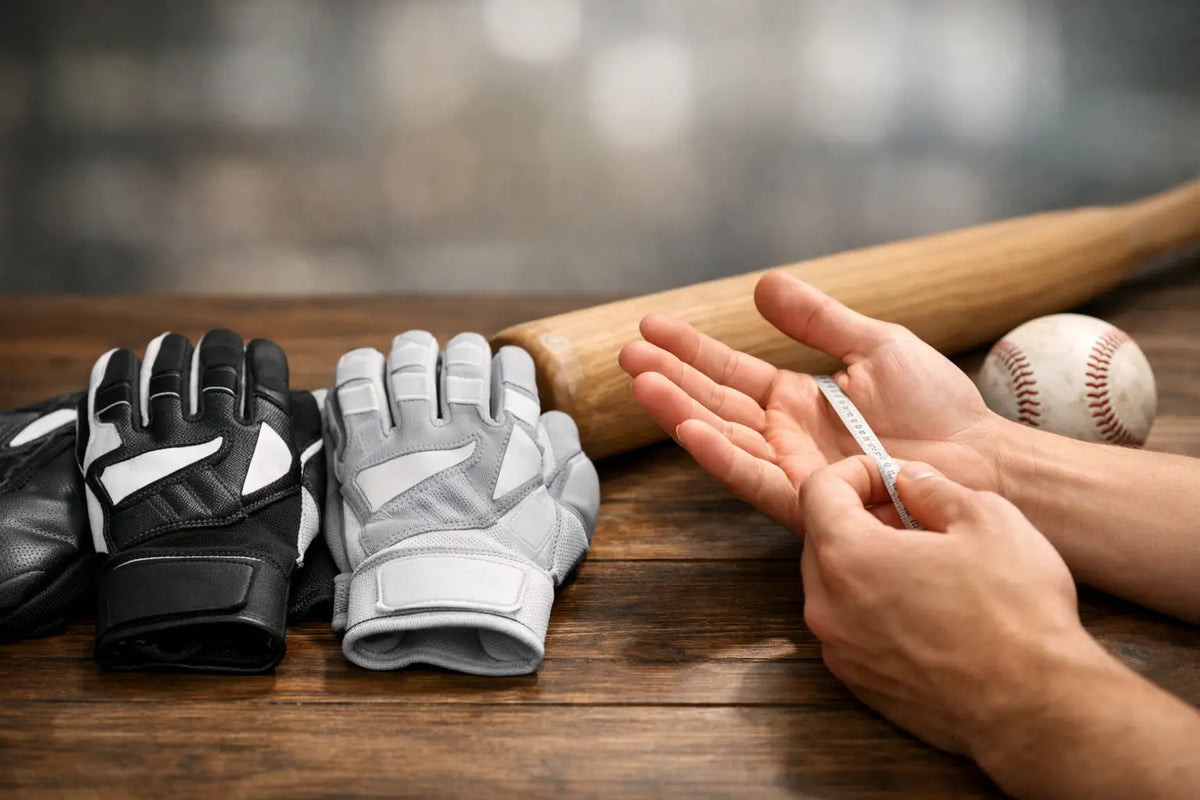
Batting gloves help reduce sting, improve grip, and keep hands more comfortable during cold early-season games. They are especially useful for players taking regular batting practice or using alloy bats.
Fit should be close without cutting off movement. Loose fingertips make it harder to feel the handle, while a palm that bunches can cause blisters. Durable materials matter, but players also want a look that feels like theirs. When a player feels sharp stepping in, they tend to compete sharper too.
Elbow guards are a smart choice for fearless swings
A well-fitted elbow guard can make sense for hitters who crowd the plate, face faster pitching, or simply need more confidence after being hit. It should cover the point of the elbow without limiting the swing or shifting during movement.
Not every rec player needs one. If pitching is still slow and controlled, a helmet and good fundamentals may be enough. But for players who tense up against inside pitches, protective gear can help them stay through the ball instead of bailing out. That is a performance benefit, not just a comfort upgrade.
Build a Bag That Handles the Season
Rec league equipment gets tossed in car trunks, dugouts, wet grass, and crowded garage corners. A little organization keeps the essentials from disappearing when it is time to leave for a Saturday game.
A bag does not need to be oversized, but it should hold the player's glove, helmet, water bottle, batting gloves, and a change of shirt. Separate compartments are helpful for cleats, especially after a muddy game. If the player carries their own bat, make sure the bag has a secure sleeve or external holder.
Keep a small game-day kit inside. A few bandages, athletic tape, sunscreen, extra hair ties, and a clean pair of socks solve more problems than most players expect. For hot-weather leagues, add electrolyte packets. For spring games, pack a lightweight layer. The goal is simple: do not let a minor inconvenience take a player out of their rhythm.
Spend More Where It Counts
Parents and players do not need to upgrade everything at once. Put the budget toward fit, safety, and the gear used most often. A quality glove, properly fitted helmet, supportive cleats, and dependable batting gloves will usually make a bigger difference than a pile of accessories.
Cleats are worth special attention. Molded cleats are practical for most youth and rec leagues because they provide traction without the maintenance or restrictions of metal spikes. They should feel secure through the heel and midfoot, with enough toe room for natural movement. Baseball involves sudden stops, hard turns, and explosive first steps. Worn-out shoes make all of that tougher.
Save premium purchases for players who have settled into a position, play multiple seasons, or spend meaningful time training outside of games. A serious catcher may benefit from upgraded catching gear. A player who hits year-round may value a better bat and durable batting gloves. The right investment follows how the player actually plays.
Make Gear Part of the Routine
The best equipment cannot help if it is left at home or never broken in. Build a simple pre-game routine: glove, helmet, cleats, cup, water, and any batting protection. After the game, air out the glove and cleats, wipe dirt from protective gear, and return everything to the bag.
Players should also practice in the gear they plan to wear. Take swings with the elbow guard on. Run bases in the cleats. Catch pop-ups with the glove fully broken in. Game day should not be the first time anything feels new.
At Vi Athletics, the mindset is simple: show up ready, play with confidence, and bring your own force. Choose gear that protects the player, fits the work they are putting in, and gives them a reason to step on the field with their head up. #BeAForce.