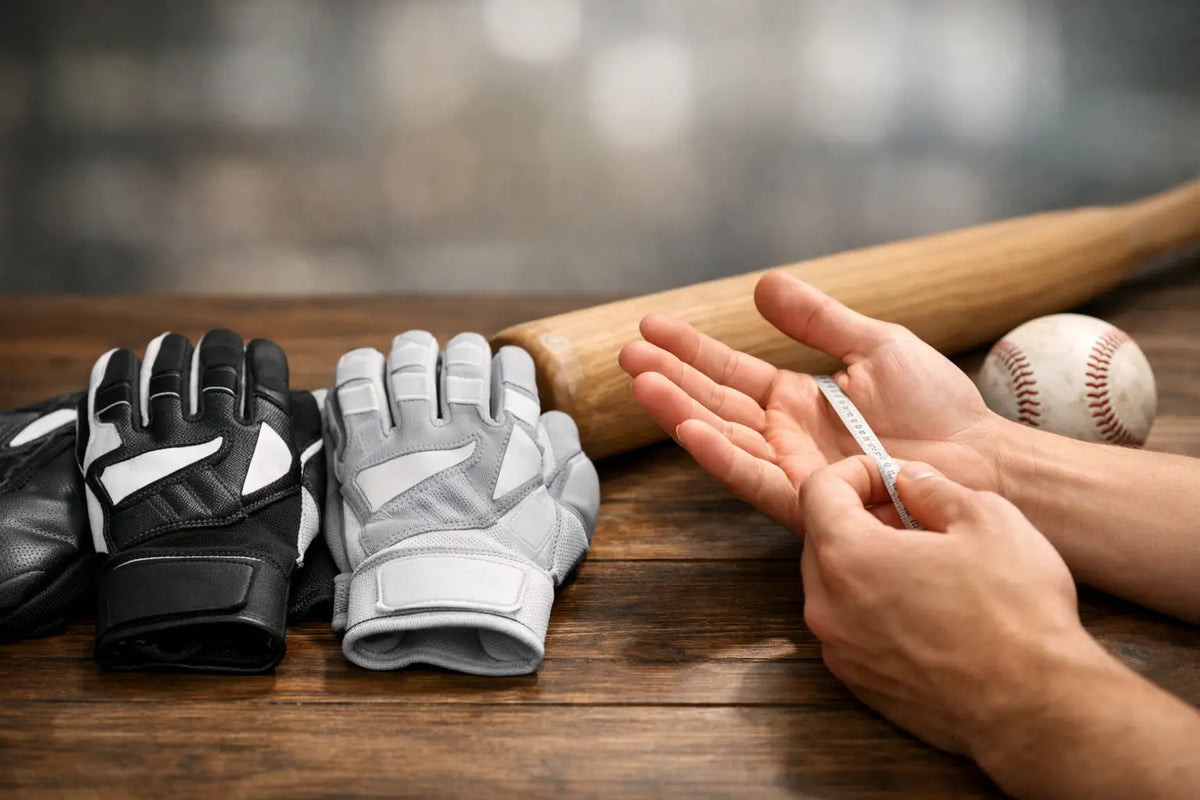
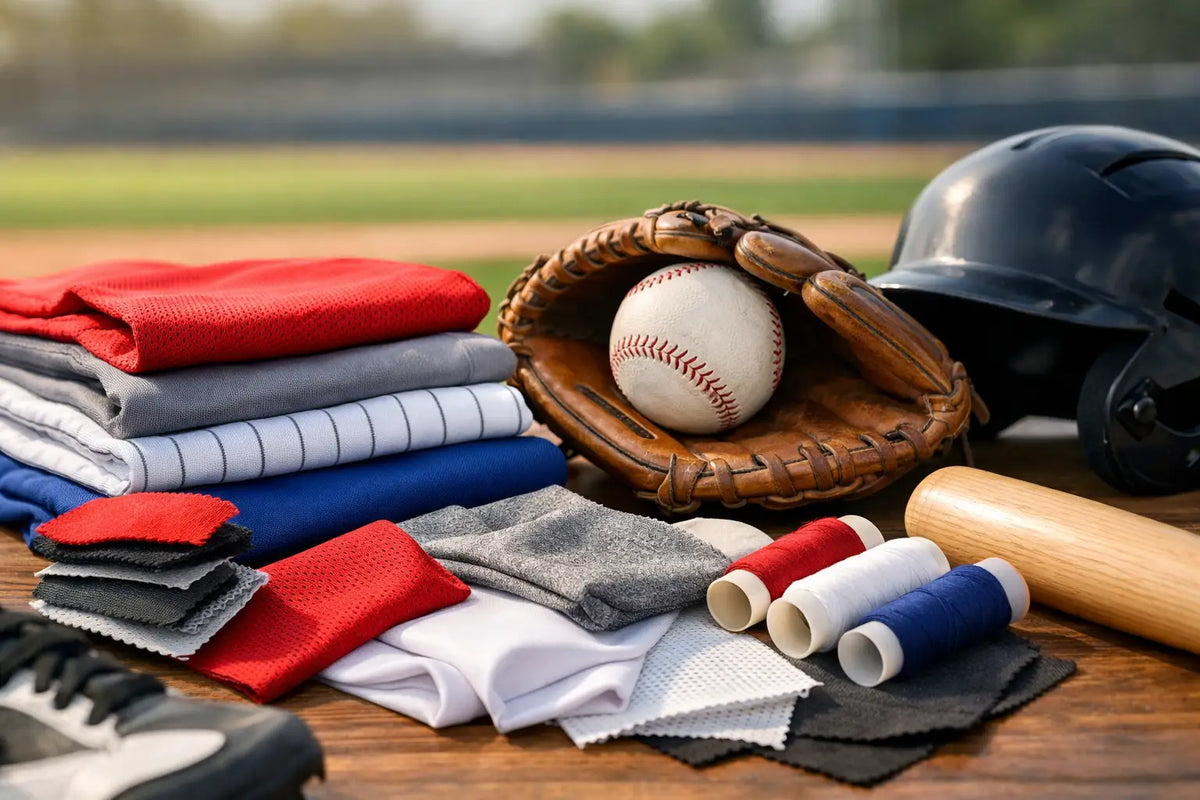
That first squeeze tells you a lot. Some gloves feel game-ready fast but break down by midseason. Others feel stiff, heavy, and stubborn, then turn into absolute weapons once they’re worked in. A real baseball glove materials guide helps you spot that difference before you spend money, because the material decides how the glove feels, how long it lasts, and how much work it takes to make it yours.
If you play often, or you’re buying for a player who does, material matters more than the logo on the wrist. The wrong glove can feel slow, floppy, or dead in the pocket. The right one gives you control, confidence, and that clean, secure catch every player wants.
Baseball glove materials guide: start with the leather
Most serious fielding gloves are made with some form of leather, but not all leather is built the same. That’s where a lot of buyers get tripped up. “Leather glove” sounds premium until you realize one leather can be soft and entry-level while another is dense enough to handle years of reps.
Full-grain leather is usually the top tier. It comes from the outermost layer of the hide, so it keeps more of the natural fiber strength. That means better structure, better long-term shape retention, and more durability under repeated use. The trade-off is obvious the second you put it on - it’s stiffer, heavier, and needs more break-in time. For advanced youth players, high school athletes, and adults who practice a lot, that extra effort usually pays off.
Top-grain leather sits a step below full-grain. It’s still quality material, but it’s often sanded or processed more to create a smoother feel and more consistent look. That can make it a little softer and easier to break in, though sometimes at the cost of peak durability. For many players, especially those who want a balance between feel and longevity, top-grain leather is a smart middle ground.
Then there’s steerhide, kip leather, and cowhide, terms that show up a lot in glove descriptions. Steerhide is known for toughness and structure. It’s a favorite for players who want a glove that holds its shape through hard use. Kip leather tends to be lighter and smoother, with a tighter grain. Many players love it because it gives a premium feel without the same bulk as heavier hides. Cowhide is common and dependable, often used in gloves that need to be durable without reaching the highest price tier.
None of these is automatically “best” for everyone. A 10-year-old learning the game does not need the same leather profile as a varsity shortstop taking hundreds of ground balls a week.
Synthetic materials have a place
Synthetic gloves catch a lot of disrespect, but they solve real problems. They’re lighter, usually cheaper, and much easier to break in. For younger players, beginners, and families trying to avoid spending big on a glove that may be outgrown in a year, synthetic materials make sense.
The downside is performance over time. Synthetic gloves often don’t hold their shape as well as quality leather, especially in the pocket and thumb area. They can get soft too fast, and once that structure goes, the glove may feel less secure on hard-hit balls. That matters more as players get older and the game speeds up.
A good rule is simple: if the player is still developing basics and growing fast, synthetic can be a practical move. If the player is training regularly, playing competitive ball, or wants one glove to last, leather is usually worth it.
Some gloves use hybrid construction, mixing leather in key areas with synthetic materials elsewhere. That can lower weight and price while keeping better feel where it counts. It’s not always elite-level stuff, but for a lot of youth and rec players, it hits a sweet spot.
Laces matter more than most buyers think
If the glove body is the frame, the laces are what keep the whole thing together. Weak laces can make a decent glove feel worn out long before the leather actually fails.
Leather laces are the standard for a reason. They’re stronger, more durable, and better at maintaining the glove’s shape through repeated opening and closing. On infield gloves, where quick transfers matter, tight and durable lacing helps the glove stay responsive. On outfield gloves, stronger laces help support a deeper pocket.
Cheaper gloves sometimes use thinner or lower-grade laces that stretch, dry out, or snap sooner. That doesn’t always show up on day one. It shows up months later, when the web gets loose or the pocket starts feeling unstable.
For players who train hard, replacing laces can extend a glove’s life. But if the base materials are weak, new laces won’t save the whole build.
Palm lining and padding change the feel
A glove’s inside feel matters every inning. Palm lining, finger stalls, and padding affect comfort, sting protection, and control.
Soft linings can make a glove feel great right away, especially for younger players who don’t want a stiff, rough interior. Higher-end linings also help with moisture control and long-session comfort. If a glove feels slick, cheap, or overly thin inside, that can become a problem once sweat and repeated impact enter the picture.
Palm padding is another balancing act. More padding helps reduce sting, which is a big deal for younger players or anyone catching firm throws. But too much padding can mute feel. Infielders often want enough protection to handle hard contact without losing the ball’s feedback on transfer. Catchers and first basemen have different needs because they’re dealing with repeated impact and different glove shapes.
That’s why position matters when judging materials. A glove that feels perfect in the outfield may feel too bulky on the dirt.
Mesh and lightweight builds can be useful
Some gloves include mesh backs or lighter panel materials to cut weight. That can make the glove easier to control, especially for younger athletes whose hands and forearms are still developing.
A lighter glove can help with reaction time and reduce fatigue over long practices. But cutting weight usually means giving up some durability or structure. If you’re playing a packed travel schedule or practicing several times a week, ultra-light builds may wear down faster than all-leather options.
Still, lighter does not always mean worse. It depends on age, strength, position, and how often the glove is used. For a young middle infielder, faster hand action may matter more than max longevity.
How to match glove material to the player
This is where a baseball glove materials guide becomes practical instead of technical. You’re not buying hide grades for fun. You’re trying to match material to real use.
For tee-ball and early youth players, comfort and easy closure usually win. A lighter synthetic or soft leather glove helps kids learn fundamentals without fighting the glove every catch. If they can’t close it, they won’t trust it.
For developing youth and middle school players, softer leather or hybrid gloves often make the most sense. They offer better shape and feel than entry-level synthetics, but they won’t demand the same break-in effort as premium full-grain models.
For serious teen players and adults, higher-quality leather is usually the right move. That glove needs to survive reps, hold a dependable pocket, and stay consistent over time. At that level, a glove is not just equipment. It’s part of how you play.
Parents should also think about growth and commitment. If your player is all-in and practicing constantly, buying up in material quality can save money in the long run. If they’re still figuring out how serious they are, there’s no need to force a premium glove too early.
What to watch for before you buy
Product descriptions can make everything sound elite, so pay attention to clues. If a glove is described as very soft right out of the box, that may be great for break-in, but it can also hint at less structure long term. If it emphasizes premium leather, check whether that’s full-grain, top-grain, kip, or just a broad marketing phrase.
Feel the glove if you can. Check whether the pocket rebounds with shape, whether the fingers feel stable, and whether the laces look thick and tight. A good glove should feel controlled, not mushy. It should have some life to it.
And don’t confuse stiffness with quality every time. Some gloves are stiff because they’re built strong. Others are stiff because they’re poorly finished. The difference shows up in the leather’s texture, the consistency of construction, and how the glove starts forming with use.
The best gear should make you feel ready, not hesitant. That’s true whether you’re buying your first real glove or leveling up to something that can handle serious ball. Vi Athletics is built around that same idea - performance first, with enough edge to look like you came to compete.
Pick glove materials based on how often you play, how fast the game is moving, and how much shape you want the glove to keep. When the material fits the player, the glove stops feeling like something you wear and starts feeling like part of your game.