The best baseball accessories for players are not just extras tossed into a gear bag. They are the pieces that protect your body, sharpen your routine, and help you step into the box, onto the mound, or into the field feeling ready to compete. The right gear should earn its spot every practice and every inning.
A hitter does not need ten random accessories. A young shortstop does not need flashy gear that falls apart by midseason. What players need is equipment that fits, holds up, and brings confidence when the game speeds up. Here are the accessories worth having when performance matters.
10 Best Baseball Accessories for Players Who Compete
1. Batting Gloves That Lock In Your Grip
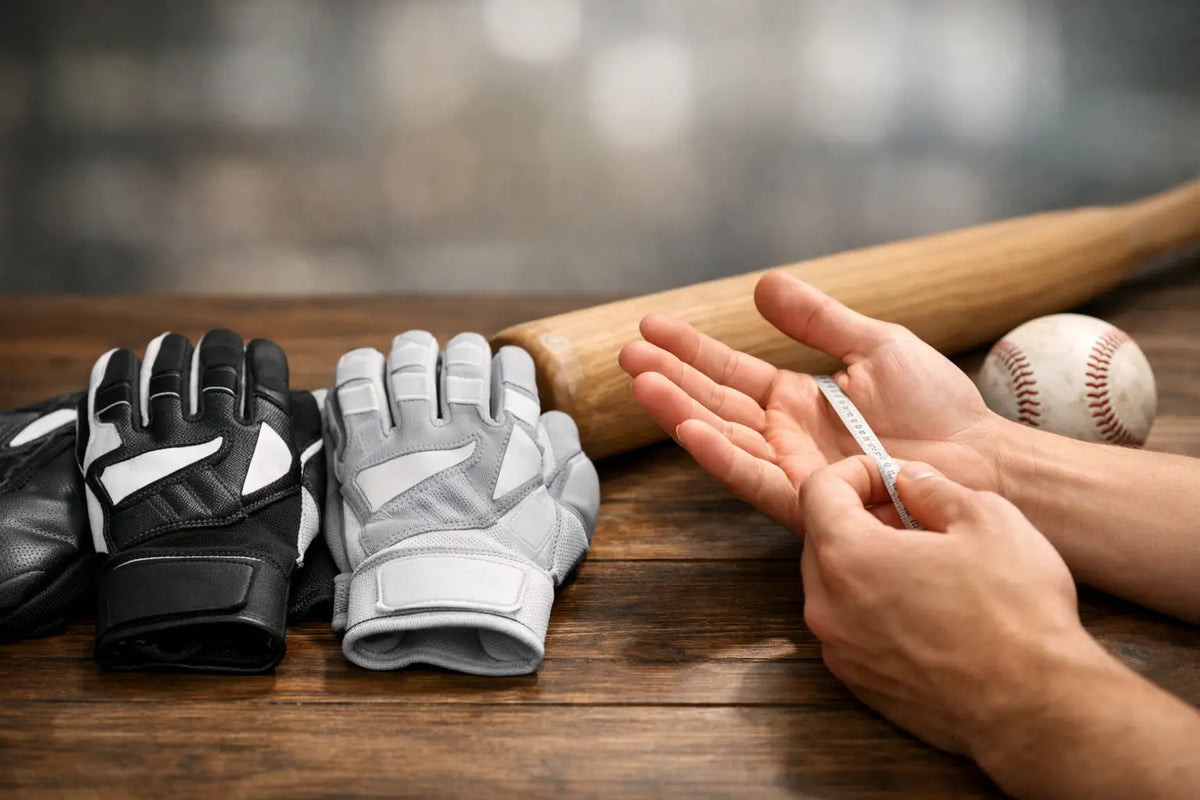
Batting gloves are one of the first accessories most players reach for, and for good reason. A quality pair improves grip when hands get sweaty, reduces friction during long rounds of batting practice, and gives hitters a more connected feel on the handle.
Fit is everything. Gloves that bunch in the palm or slide around at the wrist become a distraction. Look for a secure closure, flexible materials through the fingers, and a palm built to handle repeated swings. Some players prefer a tighter, second-skin feel, while others want a little more padding. Neither choice is automatically better - the right choice is the one that keeps your hands comfortable without taking away bat control.
2. An Elbow Guard for Fearless Swings
Getting hit by a pitch can change a hitter's approach fast. An elbow guard gives players impact protection without forcing them to crowd the plate nervously or pull off pitches they should attack.
The best guards stay in place through a full swing and cover the area most likely to take a pitch. They should be protective without feeling oversized. Youth players especially benefit from a guard that is easy to put on and adjust by themselves, while high school and adult players may prioritize a lower-profile fit that does not interfere with mechanics.
Protection is not about playing scared. It is about removing one more reason to hesitate. Stand in. See it. Drive it.
3. A Sliding Mitt That Protects Your Hand
Players who steal bases, stretch singles into doubles, or play aggressive baseball need to think about their hands. A sliding mitt protects fingers, thumbs, and the back of the hand when the bag, dirt, or a defender's cleat gets involved.
This accessory makes the most sense for players who are frequently on base. It may not be essential for every recreational player, but it can be a smart addition for speed-focused athletes and travel-ball competitors. Choose a mitt with enough structure to protect the hand but enough flexibility to allow a natural arm motion while running.
4. Wristbands for Sweat Control and Routine
A wristband seems simple, but simple gear can make a real difference during a hot doubleheader. It keeps sweat from running into your hands and gives hitters, pitchers, and fielders a fast way to reset between pitches.
It can also be part of a player's routine. Adjust the wristband, take a breath, get the sign, compete. Baseball is full of small moments that demand focus. Accessories that help establish a repeatable routine are more valuable than they look.
5. Athletic Tape for Small Fixes and Big Seasons
Every serious baseball bag should carry athletic tape. It can secure a loose grip, add a little support to a sore finger, hold a sliding mitt strap in place, or make an emergency repair when equipment fails before first pitch.
Tape is not a substitute for proper medical care or a well-fitted brace. If pain is persistent, swelling is significant, or a player cannot throw or swing normally, speak with a qualified medical professional. But for ordinary game-day adjustments, a roll of tape is one of the most useful low-cost items a player can own.
6. A Durable Water Bottle
Baseball players can underestimate hydration because the action comes in bursts. Then the third inning arrives on a 90-degree day, and focus starts to disappear. A durable water bottle makes it easier to drink consistently instead of waiting until you are already drained.
Choose one that is easy to open between innings, sturdy enough for a crowded dugout, and large enough for practices that run long. A bottle with a clear name label is a smart move for youth teams, where identical gear has a way of walking off after warmups.
7. A Hitting Training Ball or Practice Baseballs
A game ball is not always the right tool for every drill. Practice baseballs and specialized training balls can help players work on hand-eye coordination, barrel accuracy, pitch recognition, and clean contact without turning every session into a full cage workout.
The training tool should match the goal. Smaller balls can challenge tracking and precision. Softer balls can make backyard work safer. Standard practice balls are better when a player needs reps that feel close to game conditions. Do not buy training gear just because it looks advanced. Buy the tool that helps the player improve the specific weakness in front of them.
8. A Protective Cup or Compression Short
This is not the flashiest accessory, but it belongs in the conversation. Catchers, infielders, and hitters all face situations where lower-body protection matters. A proper athletic cup or compression short with a cup pocket helps players move with confidence when hard contact and bad hops are part of the game.
Comfort matters here more than players may admit. The equipment should stay secure during running, sliding, and squatting. If it shifts constantly, it will not provide the protection or confidence it is supposed to deliver. Take the time to find the right size before the season starts.
9. A Gear Bag That Keeps Equipment Ready
A packed gear bag can either save the day or create chaos. The right bag gives every essential a place: glove, batting gloves, helmet, cleats, water, guards, baseballs, and a clean shirt for after the game.
Players who travel to tournaments may want a larger bag with separate compartments. Younger athletes may be better off with a simpler bag they can carry and organize on their own. Bigger is not always better. The best option is one that fits the player's actual loadout without becoming a black hole for dirty socks and missing batting gloves.
10. A Clean, Game-Ready Accessory Setup
The final accessory is really a standard. Keep your batting gloves dry. Check guard straps. Replace cracked balls. Make sure the water bottle is filled before leaving home. A player who knows where every piece of gear is can focus on the next pitch instead of searching through the bag.
Style belongs here too. Baseball is a confidence sport. Gear that fits well, looks sharp, and reflects the way a player competes can change how they carry themselves. That does not mean choosing swag over function. It means refusing to settle for gear that does neither.
How to Choose Baseball Accessories That Actually Help
Start with the player's position, age, and weekly schedule. A catcher needs a different accessory setup than an outfielder. A player practicing five days a week needs more durable batting gloves than someone playing one recreational game each Saturday. Parents should also consider how easily a younger athlete can adjust, carry, and care for each item.
Then prioritize protection and fit before color or trends. An elbow guard that stays secure matters more than one with a louder design. Batting gloves that improve grip beat gloves that look great for two at-bats. Once the essentials are handled, personal style becomes the finishing touch.
It also helps to build the bag over time. Start with the gear that solves an immediate problem: sore hands, fear of getting hit, poor hydration, or disorganized equipment. Add training tools when there is a clear purpose behind them. That approach keeps money focused on accessories that will see real use.
Vi Athletics is built around that kind of player mindset: quality gear, strong presence, and no wasted movement. Pick accessories that let you play faster, swing freer, and show up prepared. Then take the field and be a force.