That split-second feeling when the bat shifts in your hands can wreck an at-bat before the swing even finishes. If you are looking for the best batting gloves for grip, you are really looking for confidence - the kind that keeps your hands locked in, your swing free, and your focus on the ball instead of your handle.
Grip is not just about tackiness. A glove can feel sticky in the cage and still let you down by the third inning if the palm wears out, the fit loosens, or sweat starts pooling inside. The right pair gives you control without making your hands feel trapped. That balance is where good batting gloves separate themselves from cheap ones.
What actually makes the best batting gloves for grip
The first thing to look at is palm material. Leather palms, especially premium cabretta leather, tend to give the most natural bat feel. They wrap the handle well, break in nicely, and usually deliver the kind of control serious hitters want. The trade-off is durability. If you hit every day, leather can wear faster, especially around the lower palm and thumb.
Synthetic palms usually last longer and handle sweat better, but they do not always feel as connected to the bat. Some players love that extra structure. Others think it deadens feel. If your priority is maximum control and touch, leather usually wins. If you need a glove that can survive constant cage sessions, synthetic or hybrid builds can make more sense.
The second piece is fit. A glove with elite palm material still will not grip well if it bunches near the fingers or leaves space in the palm. The best batting gloves for grip fit close without cutting off circulation. You want the material to sit smooth across the hand, with no folding when you close your grip around the bat.
Wrist closure matters too. A secure wrist strap helps keep the glove from shifting during hard swings. That does not mean tighter is always better. Too much compression can make your hands fatigue faster. You want locked in, not squeezed out.
Why grip feels different from player to player
Not every hitter wants the same thing from a batting glove. Power hitters often like a slightly more structured feel because it keeps the bat stable through aggressive swings. Contact hitters may prefer thinner palms and more flexibility so they can feel every adjustment in their hands.
Weather changes the equation too. In hot summer games, sweat control becomes part of grip. A glove that felt perfect in March can start slipping in July if the backing material traps heat. In colder conditions, some players want a little more thickness just to stay comfortable and loose. So when people ask for the best batting gloves for grip, the honest answer is that it depends on your swing, your hands, and where you play.
Palm feel matters more than extra features
A lot of players get distracted by flashy details. Bold colors, oversized logos, and hype language can make a glove look game-ready before it proves anything. But when it comes to grip, the palm is the story.
A thinner palm usually gives better bat feedback. You can feel the handle, track pressure points, and make cleaner adjustments. That is a big plus for hitters who care about control. The downside is that thin palms can wear through faster, especially if you grip the bat hard or train often.
A thicker palm can add comfort and hold up longer, but too much padding can make the bat feel less alive in your hands. That is why the best grip gloves usually do not go overboard on cushioning. They protect your hands without dulling your swing.
The role of finger construction and flexibility
Finger design does more for grip than most players realize. If the fingers are too stiff, your hand has to fight the glove just to wrap the bat. If they are too loose, the material can bunch and create weak spots in your grip.
Look for gloves with natural flex points and clean finger articulation. Pre-curved fingers can help the glove move with your hand instead of against it. Stretch zones across the knuckles also matter. They let you stay aggressive through the swing without that pulling feeling that shows up in cheaper gloves.
This is especially important for younger players who are still building hand strength. A glove that feels easy to close can help them stay relaxed, and relaxed hands usually produce better swings.
Sweat management is part of grip
Grip is not just a palm issue. It is also a moisture issue. Once sweat builds up, even a premium palm can start to feel unstable. That is why the back-of-hand material deserves attention.
Breathable mesh or lightweight compression fabric can help keep heat down and limit moisture buildup. Some gloves also add small perforations in the palm or fingers to improve airflow. Those details are not just comfort upgrades. They help maintain consistent grip across a full practice or doubleheader.
Still, more ventilation is not always better. Too much mesh can reduce structure and make the glove feel less durable. If you play often, you want enough airflow to stay dry but enough build quality to survive repeated use.
Durability versus game-day feel
Here is the trade-off most players have to make. The softest, most connected gloves often feel amazing right away, but they may not last as long. The more durable gloves can survive a full season of work, but they sometimes need more break-in and may not feel quite as smooth.
If you need one pair for everything - games, cages, tee work, and practice - durability should carry more weight. If you keep separate game gloves and training gloves, you can choose a premium-feel pair for competition and a tougher pair for daily reps.
That approach is common for players who take the game seriously. Protect the feel you want on game day, and let your work gloves take the abuse. It is a smart move if grip is a top priority and you do not want performance to fade once the palm starts wearing down.
How to find your right fit without guessing
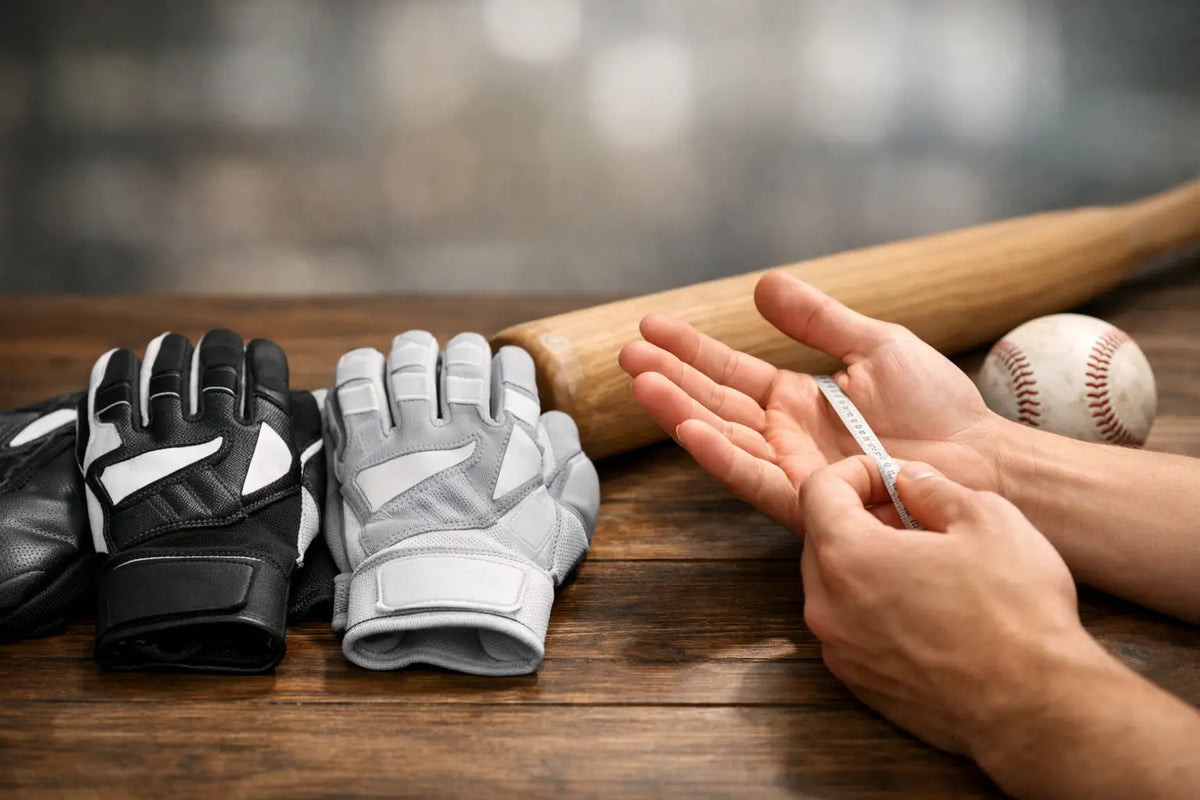
Sizing charts help, but your ideal fit comes down to feel. Batting gloves should fit snug right away because they will loosen slightly with use. You do not want extra material at the fingertips, and you definitely do not want slack in the palm.
If you are between sizes, think about how you use them. Players who want maximum feel usually go with the tighter option, as long as it does not restrict movement. Players who value comfort over a long tournament weekend may prefer a touch more room. Neither choice is wrong. It just depends on whether your priority is pure control or all-day wearability.
Parents buying for younger players should avoid sizing up too much for growth. Oversized gloves hurt grip, and poor grip can hurt confidence. A glove should help a player feel ready now, not six months from now.
Signs your batting gloves are costing you grip
Sometimes the issue is not your swing. It is your gear. If your hands slide on the handle, if you feel the glove twisting during hacks, or if the palm looks polished and slick instead of textured, your gloves are probably past their best days.
Watch for stretched wrist closures, thinning palm spots, and finger seams that start to separate. Even if the glove still looks usable, small breakdowns can change how secure the bat feels. Once confidence goes, performance usually follows.
That is why serious players replace batting gloves before they completely fail. Waiting until they rip is waiting too long.
What players should prioritize first
If grip is your number one goal, start with fit, then palm material, then breathability. That order matters. A perfect leather palm on a loose glove will still underperform. A breathable glove that fits right but has a slick palm will still let you down.
The best batting gloves for grip feel connected from the first swing. They should let you hold the bat with authority but without tension. That is the sweet spot. You are not fighting slippage, and you are not overgripping just to feel secure.
Style matters too. Let us be real - if your gear looks sharp, you step in with a little more edge. But performance has to lead. The right pair should bring both. That is the lane brands like Vi Athletics understand well: quality that shows up in your swing and swag that shows up the moment you walk into the box.
The best glove is the one that makes your hands disappear from your thoughts. When your grip feels automatic, your swing gets cleaner, your timing settles in, and your focus stays where it belongs - on doing damage.