A July doubleheader can turn a clean uniform into a soaked, heavy distraction before the third inning. The best baseball apparel for hot weather does more than look sharp in team photos. It pulls sweat away from your skin, keeps your range of motion free, and helps you stay locked in when the infield feels like it is radiating heat.
Heat changes the game. Your grip gets slick. Your focus gets tested. Your legs feel heavier between pitches. The right setup will not make 95 degrees feel cool, but it can keep discomfort from taking over your at-bat, your defensive reps, or your confidence.
What Makes Baseball Apparel Work in the Heat
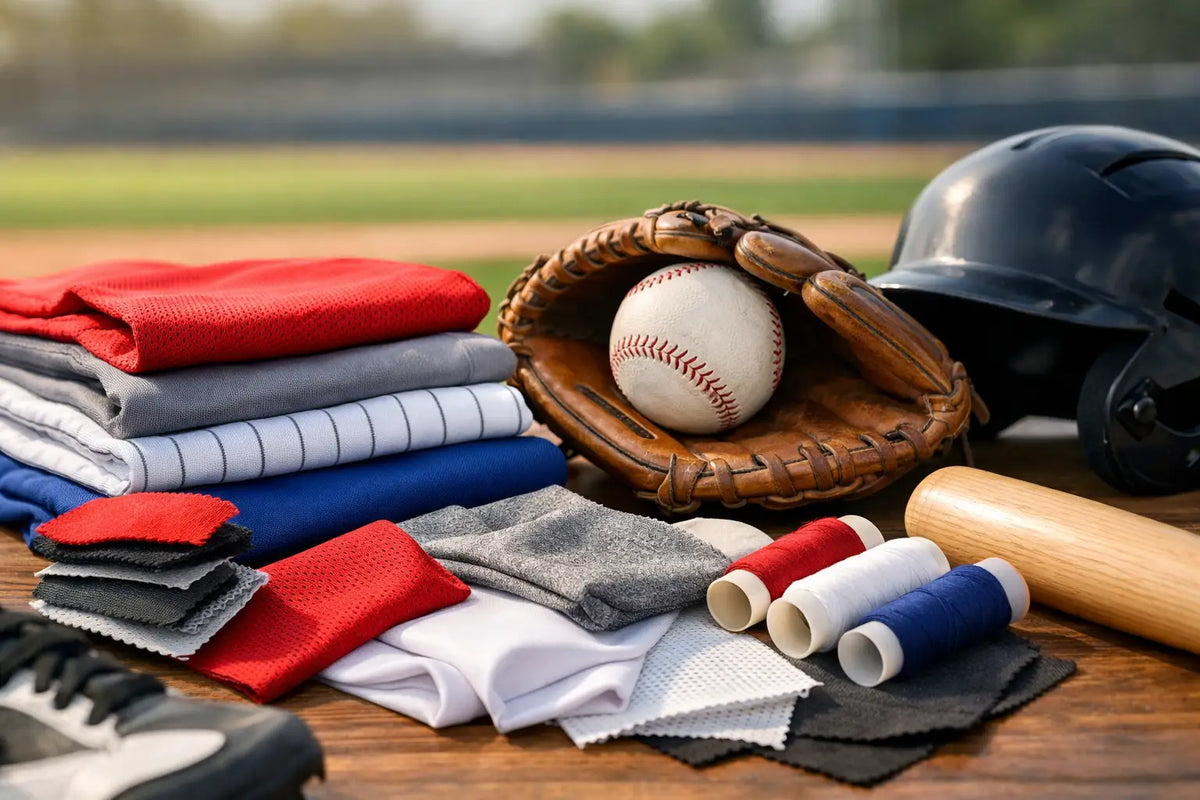
The goal is simple: wear less weight, move more air, and avoid fabrics that stay wet. That usually means performance polyester, lightweight stretch blends, and mesh ventilation in the places that sweat hardest - under the arms, across the back, and behind the knees.
Cotton has a place off the field, but it is rarely the move for a hot game. Once cotton absorbs sweat, it holds moisture and gets heavy. A moisture-wicking athletic fabric moves sweat toward the surface, where it can evaporate faster. That is the difference between feeling damp all inning and feeling ready for the next ball.
Fit matters just as much as fabric. Clothing that is too loose can bunch under a belt, glove, or protective guard. Clothing that is too tight can trap heat and restrict your swing. Look for athletic cuts with enough stretch through the shoulders, hips, and knees. You want gear that stays put without making you think about it.
Color can also affect comfort. White, gray, and lighter team colors generally absorb less sunlight than black or dark navy. Still, do not force a color choice that clashes with your uniform requirements. Breathable construction matters more than chasing the lightest shade on the rack.
Best Baseball Apparel for Hot Weather: Build the Right Setup
A smart hot-weather uniform starts with the layer touching your skin. Every piece after that should support cooling, mobility, and sun protection without adding bulk.
Start with a moisture-wicking compression layer
A lightweight compression shirt or fitted short-sleeve base layer can be a strong choice under a jersey. It manages sweat, reduces fabric rubbing, and gives you a cleaner feel under pads or an elbow guard. For players who wear arm sleeves, a thin sleeve with breathable material can provide sun coverage without the sticky feel of sunscreen on your throwing arm.
The trade-off is heat retention. A thick compression top under a heavy jersey can make you hotter, not cooler. On extreme days, choose a very light base layer or skip it if your jersey is already breathable and your league rules allow it.
For sliding shorts, prioritize a flexible waistband and fabric that dries quickly. Catchers, middle infielders, and players who run often will notice the difference when wet fabric is not clinging to their legs. If you wear a cup, make sure the shorts hold it securely without pinching during squats and lateral movement.
Choose a jersey made to breathe
The best hot-weather baseball jerseys use lightweight performance fabric and smart ventilation instead of stiff, heavy material. A jersey should let air move while still holding its shape through a full game. Look for a smooth interior that will not rub when you sweat and sleeves that do not bind when you throw.
Mesh panels are a practical plus, especially along the sides or back. They are not just a visual detail. Those zones release heat where players tend to build it up most. If your team jersey is fixed, focus on upgrading the layers beneath it and keeping your warm-up top off until you actually need it.
Avoid wearing a hoodie in the dugout just because it looked good during warmups. Save it for cooler nights. Heat is already working against you. Do not give it extra innings.
Wear baseball pants that move, not drag
Baseball pants take a beating in hot weather. Dirt, sweat, and long innings can make a stiff pair feel even worse. Lightweight stretch pants are usually the best option because they allow you to bend, sprint, slide, and get low in the field without fighting the material.
Some players prefer knicker-style pants with high socks for better airflow around the lower leg. Others want full-length pants for sliding protection and a traditional look. Both can work. If you slide often or play on rough fields, full-length pants may be worth the extra coverage. If you run hot and your league allows the style, knickers can feel noticeably cooler.
Pay attention to knee construction. Reinforced knees add durability, but overly heavy reinforcement can reduce breathability. The best balance depends on your position and how often you hit the dirt.
Treat socks as performance gear
Thin, moisture-wicking baseball socks are a small upgrade with a real payoff. Sweaty feet move inside cleats, which can lead to hot spots, blisters, and less stable cuts. Choose synthetic athletic socks with targeted cushioning instead of thick cotton pairs that stay wet.
Do not assume thicker means better. A heavily padded sock may feel comfortable at first, but it can crowd your cleat and trap more heat. Players with roomier cleats may like moderate cushioning. Players in a close-fitting speed cleat often do better with a thinner, structured sock.
Bring a spare pair to the field. Changing socks between games of a tournament is one of the fastest ways to reset your feet.
Protect your head and eyes from direct sun
A breathable cap is part of the uniform, but it also has a job to do. Look for moisture-wicking sweatbands and ventilated panels that help keep sweat from running into your eyes. A fitted cap should stay secure when you sprint or dive, not squeeze your forehead all game.
Sunglasses can be a difference-maker for outfielders and infielders dealing with late-afternoon sun. Sport frames should fit close enough that they do not bounce, with lenses that improve contrast without making the field look unnaturally dark. Make sure your coach and league allow them before game day.
Sunscreen belongs in the setup too. Choose a sweat-resistant formula, apply it before warmups, and reapply between games. Apparel covers a lot, but exposed ears, neck, face, and forearms can still take a beating under summer sun.
Hot-Weather Gear Mistakes That Cost Comfort
The biggest mistake is overdressing because you are trying to look game-ready before first pitch. A long-sleeve tee, compression top, jersey, jacket, and heavy pants can turn a normal hot day into a grind. Wear what helps you perform, not every layer you own.
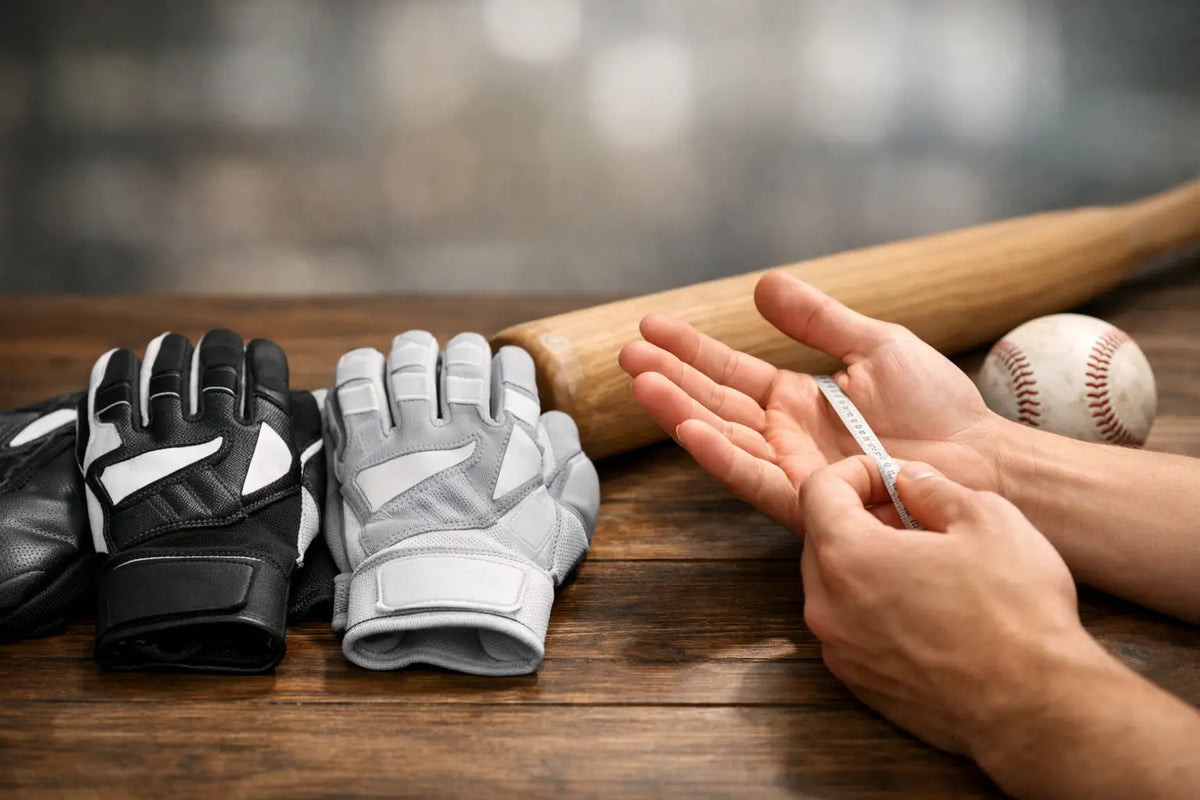
Another mistake is ignoring wet gear. If your batting gloves are soaked, your grip and comfort suffer. Keep a dry pair in your bag when possible, and air out gloves after the game instead of leaving them sealed in a hot backpack. The same goes for wristbands, socks, and protective gear with fabric straps.
Finally, do not confuse a flashy design with a performance fit. Swag matters. You should feel confident walking onto the field. But the best look is the one that still feels good when you are stealing second in the sixth with sweat on your jersey and the game on the line.
Pack for the Second Game, Not Just the First
Tournament players and families should build a heat-ready bag before leaving home. Pack a second shirt, extra socks, a dry towel, sunscreen, and more water than you think you need. Add electrolyte support when you will be playing for hours, especially if you are cramping or sweating heavily.
Keep apparel out of direct sun when it is not being worn. A black bag sitting on concrete can turn gloves, helmets, and spare clothes into a heat trap. Use shade whenever you can and let wet items air out between games.
Heat readiness is not soft. It is preparation. Choose breathable layers, protect the skin you expose, and keep dry backups ready. Show up looking sharp, stay comfortable when the temperature climbs, and be the player who is still making plays late. #BeAForce.