A lot of players wait too long to swap out their batting gloves. They keep using the same pair through cracked palms, loose fingers, and fading grip, then wonder why the bat feels less secure in big moments. If you have been asking when should batting gloves be replaced, the short answer is this: replace them when they stop helping your swing and start getting in the way.
That sounds simple, but real life is a little messier. Some hitters burn through gloves in a few months. Others can stretch a pair through most of a season. It depends on how often you hit, how you store your gear, how much you sweat, and how hard you are on the palm and finger areas.
When should batting gloves be replaced during a season?
The best time to replace batting gloves is not based on a fixed calendar. It is based on performance. Once the glove loses grip, comfort, fit, or protection, it is time.
For most players, the first warning sign is feel. The bat starts moving in the hands a little more than it used to. You notice yourself readjusting between pitches. Maybe the glove still looks decent from a distance, but it no longer gives you that locked-in connection at contact.
That matters. Batting gloves are supposed to help you stay confident and controlled in the box. If they are slick, stretched out, or bunching in the wrong places, they are not just old. They are costing you.
A good rule is to check your gloves every couple of weeks during active season play. If you are hitting daily, taking cage rounds, and playing multiple games each week, the wear adds up fast.
The biggest signs your batting gloves need to go
Visible damage is the obvious place to start. If the palm is thinning, cracking, or tearing, that pair is near the end. The palm takes the most abuse, especially from repeated contact with the bat handle and constant friction through drills and games.
But not every replacement decision comes from a hole in the glove. A lot of gloves lose their edge before they fully fall apart. The leather or synthetic material may get stiff in some places and too loose in others. The wrist strap may stop fastening securely. The fingers may twist or stretch enough that the fit feels off.
Sweat is another big factor. Over time, sweat breaks down material and changes the feel of the glove. If your gloves stay damp in your bag, they can harden, smell rough, and lose flexibility. Once that happens, they stop feeling game-ready.
Watch for these signs in particular:
- The palm is smooth and slick instead of tacky or controlled
- The glove shifts in your hand during swings
- The fingers are stretched, curled, or uneven
- The stitching is coming apart at pressure points
- The wrist closure no longer stays tight
- The material feels stiff, thin, or fragile
How long do batting gloves usually last?
There is no one answer, because usage changes everything. A youth player using one pair mostly for games may get a full season or longer out of them. A high school or travel ball player taking regular BP, indoor cage work, and weekend tournaments may need more than one pair in a season.
If you are a heavy-use player, batting gloves are a performance item, not a forever item. Daily swings, hot weather, pine tar residue, dirt, and sweat can wear them down quickly. That is normal.
Materials also matter. Premium leather often gives great feel and comfort, but it can wear faster if it is constantly soaked in sweat and not cared for properly. Some synthetic blends may last longer in certain conditions, but they can lose softness or grip in a different way. There is always a trade-off between feel, flexibility, and long-term durability.
So if you are looking for a rough timeline, think in ranges instead of promises. Light use might mean a season or more. Moderate to heavy use might mean several months. Intense year-round hitters may go through multiple pairs.
When old batting gloves start affecting performance
A worn-out glove does not always fail in dramatic fashion. Sometimes it just chips away at your comfort and confidence one swing at a time.
Maybe you start gripping the bat tighter because the glove no longer gives you secure traction. That can increase hand tension and change the way your swing feels. Maybe the glove bunches at the palm and creates a distraction right before the pitch. Maybe the thumb area rubs more than it used to, and now you are thinking about your hands instead of the baseball.
Small gear problems become real performance problems when they repeat. The goal is to step in feeling ready, not adjusting for equipment that has already peaked.
This is especially true for players who rely on routine. If your game-day gear is part of how you lock in, then bad batting gloves throw off more than grip. They throw off feel. And feel matters.
Can you extend the life of batting gloves?
Yes, up to a point. You cannot make one pair last forever, but you can absolutely avoid burning through them faster than necessary.
The biggest move is simple: let them dry out after use. Do not leave sweaty gloves balled up in a bag overnight, then expect them to hold shape and softness. Open them up, air them out, and keep them out of extreme heat.
It also helps to rotate pairs if you hit a lot. Using one pair for cage work and another for games can preserve the cleaner, more game-ready feel of your main gloves. That is a smart move for serious players who care about both performance and style.
Be realistic, though. Good care extends life. It does not erase wear. Once the fit and grip are gone, maintenance is no longer the fix.
When should batting gloves be replaced for youth players?
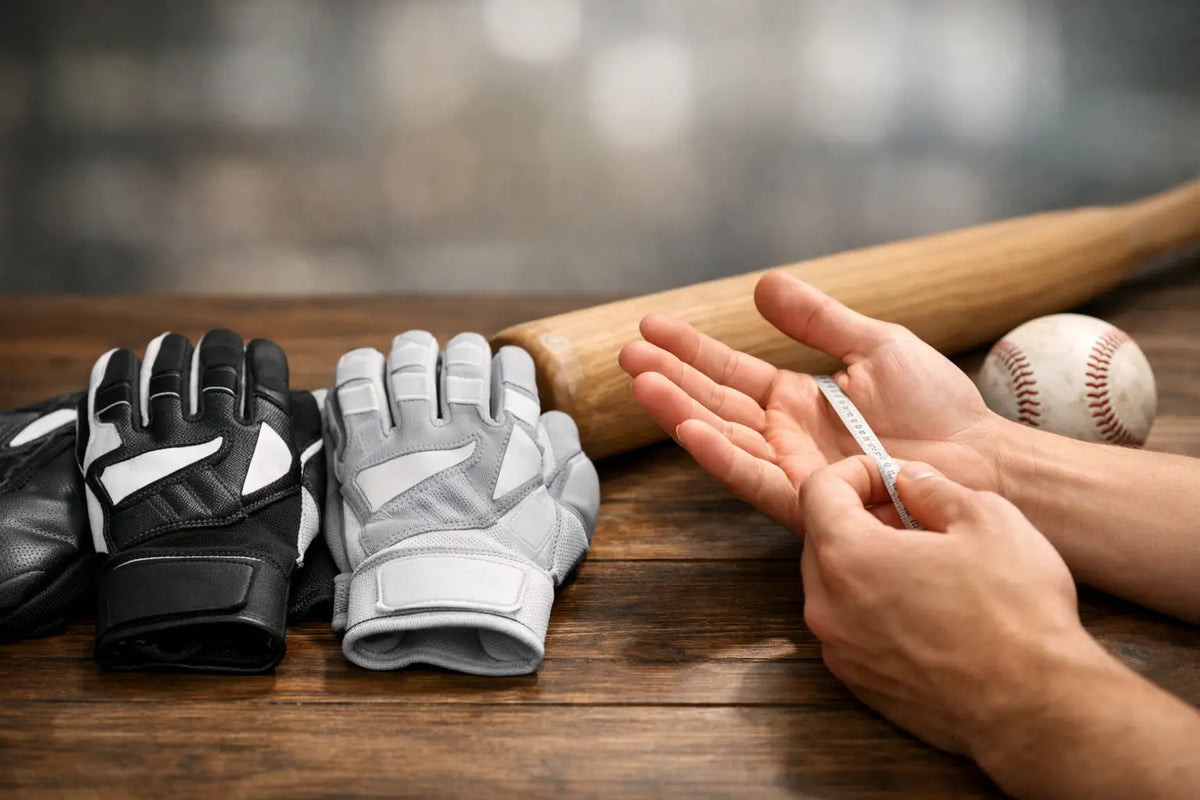
For youth players, fit is just as important as wear. Kids grow fast, and sometimes a glove needs to be replaced even before it is badly damaged. If the fingers are too short, the palm feels tight, or the wrist closure barely fits, the glove is already working against them.
Parents should also watch for the opposite problem. Gloves that have stretched too much can get sloppy on smaller hands. That makes it harder for young hitters to feel in control.
The right fit should feel secure without cutting off movement. If a young player is constantly tugging at the glove, peeling it off between at-bats, or complaining that it feels weird, pay attention. That is not just comfort talking. That is usually a sign the glove is done or no longer the right size.
Should you replace both gloves at the same time?
Usually, yes. Even if one glove looks a little better than the other, batting gloves are built to work as a pair. If one side has lost grip or fit, the balance in your hands can change.
There are exceptions. Some players wear out the bottom-hand glove faster because of how they grip the bat. If you have an uneven wear pattern and the other glove still feels fresh, you might get by for a little longer. But for most hitters, replacing both keeps the feel consistent.
Consistency is part of confidence. When your gear feels right, you stop thinking about it and compete.
The smart replacement mindset
Do not wait for total failure. That is the main takeaway. Batting gloves are not like an old hoodie you keep around because it is broken in. They are a performance tool.
If they still fit well, grip cleanly, and feel good through swings, keep using them. If they are slipping, stretching, cracking, or distracting you, make the change before they show up in an at-bat you care about.
Players put time into their swing, strength, recovery, and approach. Your gear should keep that same energy. A fresh pair of batting gloves is not about being flashy. It is about stepping into the box with control, comfort, and swagger that actually holds up.
If your current pair no longer feels like part of your game, that is your answer. Replace them, trust your hands, and be ready to swing like a force.