A hard swing in the wrong pair of gloves can feel worse than no gloves at all. Your hands slip, the handle twists a little on contact, and suddenly your best cut feels off. So, do batting gloves help performance? Yes - for a lot of hitters, they can improve grip, reduce sting, and help you feel more locked in. But they are not magic, and they do not help every player in every situation.
Do batting gloves help performance for most hitters?
For most baseball and softball players, batting gloves help performance in a few clear ways. The first is grip. A better grip can help you control the bat through the zone, especially when your hands get sweaty or the weather turns cold. If the bat feels more stable, your swing usually feels more confident.
The second is comfort. Repeated swings can tear up your palms, create blisters, and leave hot spots that distract you in games and practice. Gloves act like a buffer between your hands and the handle. Less irritation means fewer small adjustments in your grip and less mental noise in the box.
The third is confidence. That matters more than some players admit. Baseball is a game of feel. If your hands feel secure, protected, and ready, you are more likely to attack the pitch instead of thinking about discomfort. That edge is real.
Still, batting gloves do not automatically make you a better hitter. They support performance. They do not replace mechanics, timing, pitch recognition, or strength.
What batting gloves actually do at the plate
The biggest performance benefit is friction. Bare hands can get slick from sweat, dirt, or humidity. Good batting gloves create a more reliable surface between your hands and the bat handle. That can reduce micro-slips during your load, swing, and follow-through.
Those small slips matter. Even tiny changes in hand position can affect barrel control. If you are trying to stay direct to the ball or adjust late on an inside pitch, control matters. Gloves can help the bat feel connected to your hands instead of floating.
They also help absorb some vibration. No glove will erase the sting of getting jammed, but quality padding and material can take the edge off. That is especially useful for younger players, hitters coming back from hand soreness, or anyone taking a high volume of swings in cages and practice.
Then there is skin protection. Once a blister opens up, every swing becomes a reminder. Players start gripping differently to avoid pain, and that can throw off their usual feel. Gloves help prevent those breakdown points before they start.
Grip is the biggest reason hitters wear them
If you ask most players why they wear batting gloves, the answer is simple: grip. That reason holds up.
A secure grip helps the bat stay where you want it without squeezing too hard. That is a key distinction. Good gloves should help you relax your hands, not tense them up. When hitters over-grip the bat, the swing can get tight and slow. The right pair lets you stay loose while still feeling in control.
This becomes even more important in hot weather. Summer games can turn your hands into a sweat test by the third inning. Pine tar and grip aids can help, but gloves add a consistent layer of control. In colder weather, gloves can also keep your hands from feeling stiff, which helps maintain feel.
The catch is that not every glove delivers the same grip. Material quality, palm texture, and fit all matter. A glove that bunches in the palm or slides at the fingers can actually make the bat feel less secure.
Protection helps more than people think
A lot of players think of batting gloves as a style piece first and a performance piece second. The truth is that hand protection has direct performance value.
Batting puts stress on your hands over time. Daily swings, tee work, soft toss, live at-bats, and cage rounds all add up. Gloves help reduce friction and pressure points that can wear your skin down. That matters in season, when staying available is part of performing.
They can also help players who deal with sting on mishits. Again, gloves are not body armor. If you catch one off the label, you are still going to feel it. But reducing that shock even a little can make it easier to keep taking quality swings instead of getting tentative.
For youth and high school players, this matters even more. Younger hitters are still building strength in their hands and forearms. A little extra support can help them practice longer and with better focus.
When batting gloves might not help
There are exceptions. Some hitters genuinely prefer bare hands and perform better that way. They like the direct feel of the bat handle and do not want any extra layer between their skin and the grip. If that player has no blister issues, no slipping, and full confidence, gloves may not add much.
Poorly fitted gloves can also hurt performance. If the fingers are too long, the palm wrinkles, or the wrist closure feels loose, the glove can shift during the swing. That creates distraction and inconsistency. In that case, the glove becomes the problem.
Some players also become too dependent on gear that does not match conditions. A pair that feels great in dry indoor cages may get slick once it is humid outside. Others wear gloves long after the palm has worn smooth, which kills the very grip they are counting on.
So yes, batting gloves can help performance - but only if the gloves fit well, hold up under use, and match the player.
Fit matters as much as material
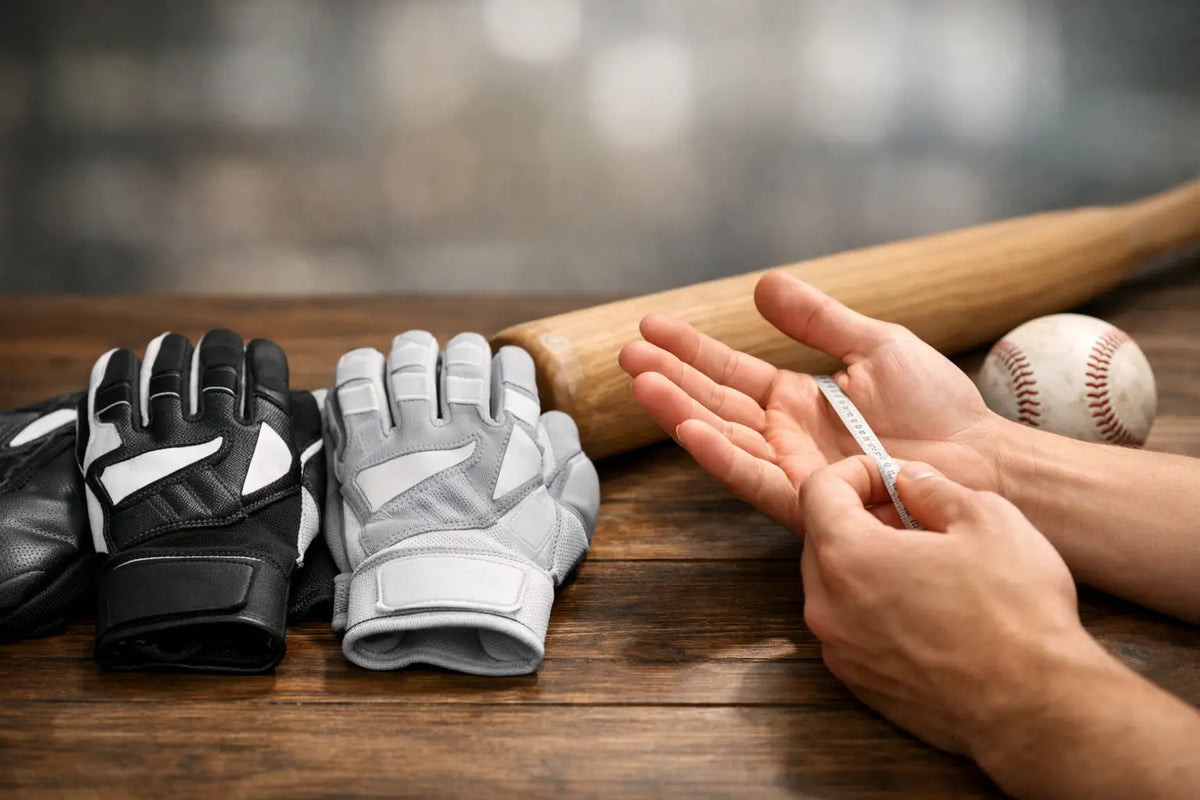
The best batting gloves should feel snug without cutting off movement. You want a second-skin fit. If they are too tight, your hands fatigue faster and feel restricted. If they are too loose, you lose precision.
Pay attention to the fingertips first. Extra material at the end of the fingers is a bad sign. It reduces feel and can bunch when you close your hand around the handle. The palm should sit flat. No wrinkles, no sliding.
The wrist closure matters too. A secure wrist helps the whole glove stay in place through repeated swings. If the strap pops loose or needs constant adjustment, that is a distraction you do not need.
Material also changes the experience. Higher quality leather or synthetic palms usually deliver better durability and more reliable grip over time. Cheap gloves can feel fine for a week and then stretch, stiffen, or wear out fast.
Performance is not just physical
There is another layer here that belongs in the conversation: mindset.
Baseball players are routine-driven. The way your batting gloves fit, the way you strap them down, even the way they look can become part of your pre-at-bat rhythm. That is not fake value. Feeling game-ready helps you compete with more intent.
That is one reason gear choice matters. Players want equipment that performs, but they also want gear that matches how they carry themselves. Looking sharp does not replace production, but it can reinforce confidence. And confidence changes swings, approaches, and body language. That is part of being ready to compete.
At a brand like Vi Athletics, that connection between performance and swagger makes sense. Good gear should do both. It should help you play hard and feel like you belong in the box.
Who benefits most from batting gloves?
Players who train often usually get the most value. More swings mean more chances for blisters, sweat, and hand fatigue to become an issue. Gloves help manage all three.
Hitters in hot, humid climates also benefit because grip can change fast once moisture shows up. Younger players often gain from the added comfort and protection, while high school and travel ball players appreciate the consistency across practices and games.
That said, the benefit is not limited to serious competitors. Recreational players can feel the difference too, especially if they have sensitive hands or do not want batting practice to leave them torn up.
So, are batting gloves worth it?
If your hands slip, sting, blister, or lose feel during swings, batting gloves are usually worth it. They can improve comfort, support grip, and help you stay focused on hitting instead of adjusting your hands every few pitches.
If you already love the feel of bare hands and never deal with those issues, you may not need them. That is the honest answer. Performance gear should solve a real problem.
The best way to think about batting gloves is simple: they are a tool. Not a shortcut. Not a gimmick. A tool that can help you swing freer, stay protected, and compete with more confidence when the fit and quality are right.
If your hands are part of your engine, treat them that way. The right pair of batting gloves will not hit for you, but they can help you step in feeling ready to do damage.