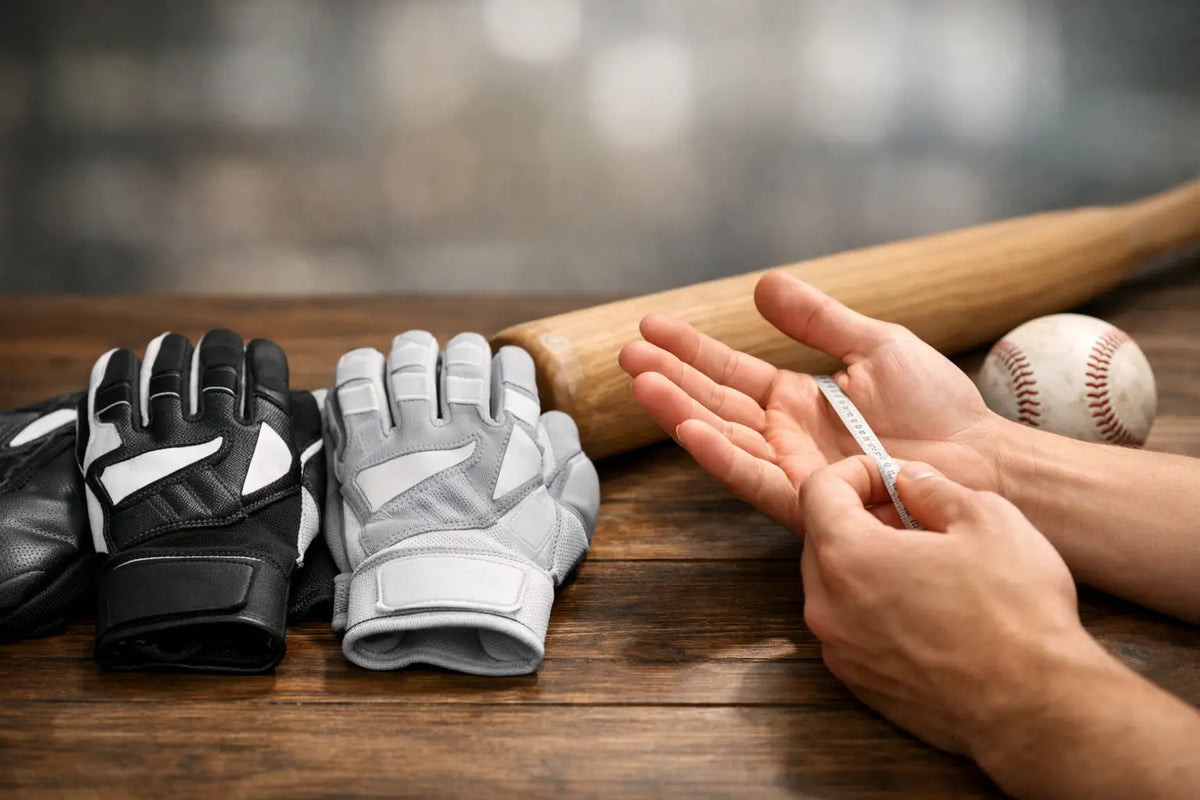
A fastball running in on your hands changes the whole at-bat. One pitch can make a hitter bail, cheat open, or think twice the next time the count gets tight. That is why finding the best elbow guards for hitters is not just about avoiding bruises. It is about staying locked in, keeping your swing free, and walking into the box like you own it.
Not every hitter needs the same setup. A leadoff contact bat with a simple approach may want low-profile protection that never gets in the way. A power hitter who crowds the plate may want more wraparound coverage and a firmer shell. Youth players and parents usually care most about comfort, easy straps, and gear that does not become a distraction by the third inning. The right elbow guard meets your game where it is.
What makes the best elbow guards for hitters?
The short answer is protection, fit, and confidence. If one of those is missing, the guard will end up in your bag instead of on your arm.
Protection starts with coverage in the right spots. Some guards focus tightly on the point of the elbow. Others extend farther down the forearm or wrap wider around the triceps area. More coverage can be a win if you see a lot of inside velocity, but it also adds bulk. That trade-off matters. Extra material can feel secure to one hitter and restrictive to another.
Fit is where good gear separates itself. An elbow guard should stay put without needing constant adjustment between pitches. If the straps loosen, if the shell slides, or if the inner padding gets slick with sweat, the product is not doing its job. For younger hitters especially, a bad fit can turn quality protection into a constant annoyance.
Then there is confidence. This part gets overlooked, but it is real. Hitters play better when they feel protected and sharp. Gear that looks clean, feels athletic, and matches your style can help you settle in faster. That is not vanity. That is part of being game-ready.
Best elbow guards for hitters by player type
If you are shopping smart, do not ask only which guard is best overall. Ask which guard is best for the way you hit.
For hitters who crowd the plate
If your approach depends on owning the inside corner, prioritize coverage. You want a guard with a stronger outer shell and enough wrap to protect against pitches that run in late. A molded design usually gives better impact dispersion than soft-only padding. The downside is bulk, so make sure you can still get your hands through the zone cleanly.
For quick hands and compact swings
Some hitters hate feeling strapped down. If you rely on whip, bat speed, and a compact path, look for a lower-profile guard with a lighter feel. You still want real protection, but not at the expense of mobility. In this case, less can be more.
For youth players
Young hitters need simple, secure gear. Complicated fits and oversized shells are a bad mix for players still learning routines and building confidence in the box. The best option is usually something lightweight, easy to put on, and snug enough that it does not spin during live swings.
For high school and travel ball players
This group usually needs a little of everything. Velocity is up, at-bats matter more, and style starts to matter too. Look for an elbow guard that balances serious protection with a clean, athletic look. This is where premium materials and smarter shaping really show up.
Fit matters more than hype
A big brand name does not automatically mean a better guard for your swing. The best elbow guards for hitters are the ones that fit your arm shape, your stance, and your tolerance for bulk.
Start with size. The guard should sit securely over the elbow without pinching. If it presses too hard into the joint, you will feel it every time you load. If it rides too loose, it can shift on contact or during aggressive takes and check swings. Neither is good.
Pay attention to strap design. One strong strap may be enough on a minimalist guard, but more coverage usually needs a more stable attachment system. Wide straps tend to spread pressure better and feel more comfortable over multiple innings. Thin straps can work, but they are more likely to dig in when tightened.
Padding matters too. Dense foam backed by a rigid shell gives a different feel than softer layered protection. One is more locked in and impact-focused. The other may feel more comfortable right away. It depends on the level you play and how often you face pitchers who can really miss inside with speed.
Materials, comfort, and game feel
The best gear disappears when the game starts. That is the goal.
A good elbow guard should feel secure but not heavy. Breathable lining helps, especially in summer tournaments and doubleheaders when sweat becomes part of every inning. Moisture buildup can cause slipping, rubbing, or that annoying sticky feeling on your arm. Better interior materials cut that down.
The shell shape also affects game feel. A flatter design can sit cleaner under a jersey and feel less bulky. A more pronounced molded shell usually offers stronger impact resistance, but you will notice it more when you move. Again, it depends on your priorities.
This is also where style enters the picture. Clean finishes, sharp lines, and color options matter because players care how their gear looks. That is normal. Baseball has always had swagger built into it. If your guard looks right and feels right, you are more likely to wear it every game. That consistency matters.
When more protection is not better
Some hitters assume the biggest guard is automatically the smartest choice. Not always.
Too much guard can interfere with natural movement, especially for players with smaller frames or very quick turns. If the shell catches against your body or changes how your lead arm moves through the swing, you may protect yourself at the cost of performance. That is a bad trade.
The sweet spot is enough protection to stand in fearlessly without creating a new problem. For some hitters, that means extended forearm coverage. For others, a more compact elbow-focused design is perfect. The key is honesty about your game. Do you really need maximum coverage, or do you need a guard you will actually want to wear for every at-bat?
How to choose the best elbow guards for hitters
Think about your game in real situations, not just product photos.
If you face higher velocity or aggressive inside pitching, lean toward a firmer shell and broader coverage. If comfort and speed matter most, choose a more streamlined design. If you are buying for a younger player, make ease of use a priority. A guard that takes too long to adjust becomes a hassle fast.
It also helps to think about frequency. A weekend rec player may be fine with a simpler, lighter option. A serious travel or high school player should expect more from the build quality, strap security, and interior comfort. The more reps you take, the more small design details matter.
And yes, appearance counts. Players want gear with attitude. A strong elbow guard should protect your arm and fit your identity on the field. That combination of performance and presence is exactly why brands like Vi Athletics speak to ballplayers who want more than basic equipment. They want gear that feels ready for the moment.
Common mistakes buyers make
The first mistake is buying based only on looks. Style matters, but if the fit is off, the guard will not help when it counts.
The second is sizing up for more coverage. Bigger is not always safer if the guard moves around. Stable protection beats oversized protection every time.
The third is ignoring swing feel. Always think about how the guard will move during load, launch, and finish. If it changes your mechanics, it is the wrong choice no matter how protective it seems.
The right guard changes how you step in
The best elbow guard is not the one with the loudest marketing or the biggest shell. It is the one that lets you take your hacks without flinching, cheating, or second-guessing. That is the standard.
Choose the guard that matches your level, your swing, and your style. When your gear is built right, protection stops being something you think about. You just dig in, see the ball, and go to work. #BeAForce.