A 90 mph fastball does not care how confident you feel in the box. If you want to stay aggressive at the plate, the best protective gear for baseball hitters has to do two jobs at once - absorb impact and let you swing free. That balance matters more than most players realize. Gear that looks tough but shifts, pinches, or throws off your timing can hurt performance just as much as no gear at all.
Hitters at every level deal with the same question: how much protection is enough? A youth player facing inconsistent control needs coverage that builds confidence. A high school hitter seeing better velocity may need gear that protects without feeling bulky. An adult league player might care just as much about comfort over a long season as raw impact protection. The right setup depends on level, role, and how you move in the box.
What the best protective gear for baseball hitters actually does
Good protective gear is not just about surviving a hit-by-pitch. It helps you stay committed to your approach. When a player trusts their equipment, they are less likely to bail out, flinch, or cheat their mechanics because they are worried about getting clipped inside.
That is why the best gear usually feels almost invisible during the swing. It should sit close to the body, stay locked in through rotation, and protect the places hitters expose most often - hands, elbows, wrists, shins, ankles, and sometimes the jaw. The trade-off is real, though. More coverage can mean more weight, more heat, and more bulk. The goal is not to wear everything. The goal is to wear the right gear for your game.
Batting gloves are protection too
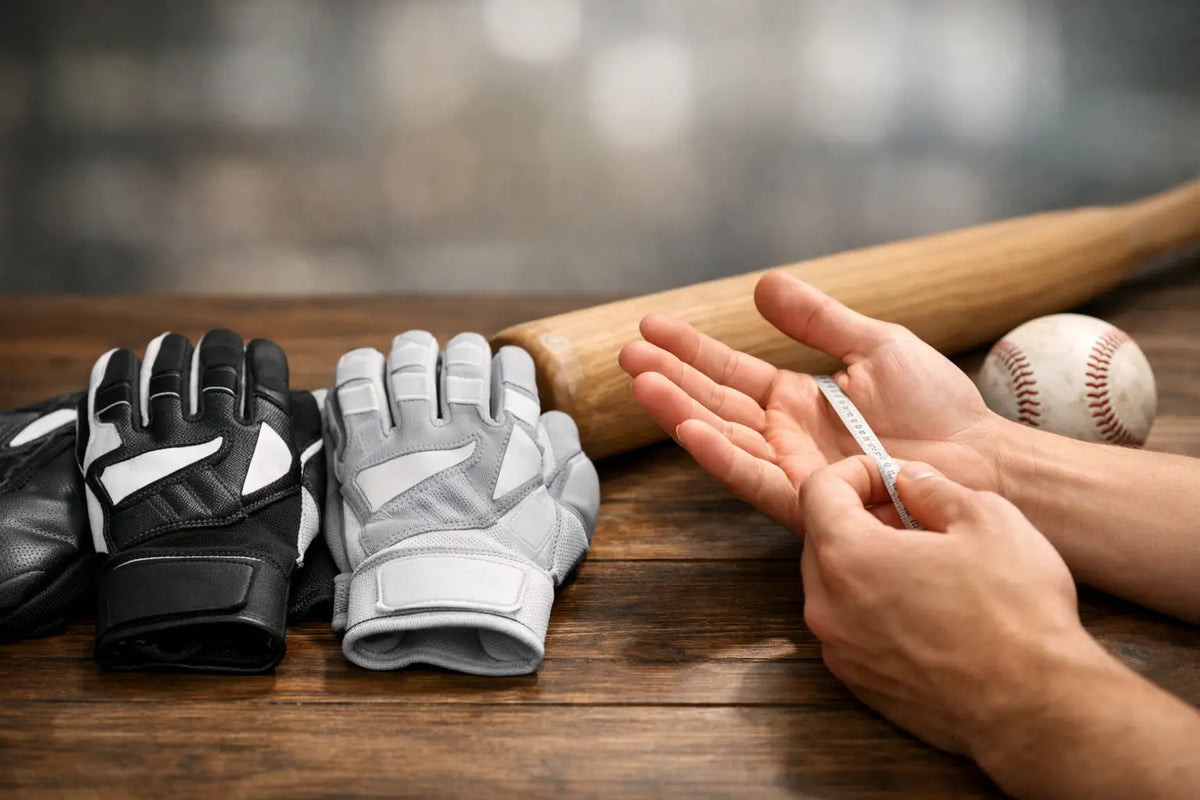
Players usually think of batting gloves as a grip item first, but they also protect the hands from friction, sting, and small repeated impact. That matters over time. A hitter taking daily rounds in the cage, facing live pitching, and swinging through cold-weather practices puts a lot of stress on the hands.
The best batting gloves for protection have quality palm material, strong stitching, and a fit that stays tight without cutting off movement. If the gloves bunch in the palm or slide at the fingers, you lose feel on the bat. If they are too thin, they may feel great for a week and wear out fast. If they are too thick, you can lose barrel control.
For youth and teen players, durability is often the smarter play than ultra-thin pro-style feel. For advanced hitters, feel usually matters more, but only if the glove still holds up. There is no flex in replacing batting gloves every few weeks because the material gave out under normal use.
Elbow guards: the confidence piece
For a lot of hitters, the elbow guard is the first true impact protector worth buying. It covers one of the most exposed areas in the box, especially for players who crowd the plate or keep the front elbow in a vulnerable path during load and launch.
A good elbow guard should contour to the arm instead of floating off it. That fit keeps it from moving on contact and prevents distraction during the swing. Strap systems matter here. Some players like a simple wrap that goes on fast and stays secure. Others prefer a more molded fit that feels locked in from the first pitch.
There is an obvious trade-off. Bigger guards offer more coverage, but not every hitter likes that larger profile. Smaller guards can feel faster and cleaner, yet they may leave more area exposed. Younger players often benefit from slightly more coverage because command can be less predictable. Older, more advanced hitters may want something more compact if it gives them a freer move.
Hand and wrist guards for hitters who see velocity
The hands are a target, especially against inside fastballs and breaking balls that do not finish where expected. A quality hand or wrist guard can save a hitter from a painful bruise, missed reps, or missed games.
This is one of the most underrated pieces of protection because players often wait until they get hit to take it seriously. That is backwards. If your hands are your connection to the barrel, they deserve protection before there is a problem.
The best hand and wrist guards protect key bones without making the bat feel awkward. If the guard interferes with your grip or changes wrist movement too much, it can mess with timing and comfort. Some hitters love extra top-hand protection. Others only want a lower-profile wrist piece. It depends on swing feel, but if you are facing good velo regularly, this is not a spot to ignore.
Shin and ankle guards are no longer niche
Shin and ankle guards used to feel like something only a few players wore. Not anymore. More hitters are realizing that foul balls off the lower leg, late swings, and pitches running down and in can do real damage.
For hitters with an open stance or a stride that leaves the front leg exposed, lower-leg protection makes a lot of sense. It is especially useful for players who foul pitches off themselves more often than they want to admit. One bad shot off the ankle can take the edge off a whole week.
The best shin and ankle guards stay sleek. If they are too stiff or oversized, they can interfere with lower-body movement and make the stance feel unnatural. Mobility matters here more than players think. You want protection that moves with your setup, not gear that makes you feel trapped in the box.
Jaw and face protection: worth it for some hitters
Not every hitter will wear a jaw guard or face protection, but for some players it is a strong move. This is especially true for youth hitters, players returning from a facial injury, or anyone facing enough velocity that reaction time gets tight.
A jaw guard attached to a batting helmet can provide real peace of mind, particularly against pitches that ride up and in. Some players feel instantly more confident wearing one. Others dislike the visual adjustment or the extra weight on one side of the helmet. That is a real consideration. If it distracts you every pitch, it may not be the right choice yet.
Still, this is one area where baseball culture has shifted for good reason. Protection is not softness. Missing time because of a preventable facial injury is not tough. It is avoidable.
How to choose the best protective gear for baseball hitters
Start with the risks you actually face. If you crowd the plate, elbow and hand protection should probably come first. If you foul balls off your front foot or lower leg, shin and ankle protection deserve attention. If you play in a younger division with less command, broader coverage often makes sense.
Then think about fit before hype. Protective gear that slides around, rubs the skin, or changes your mechanics is not helping. The best gear should feel secure, athletic, and ready for game speed. That usually means clean straps, quality materials, and a shape built for movement instead of just appearance.
Style matters too, and there is nothing wrong with saying that out loud. Baseball players want gear that performs and looks sharp. Confidence is part of performance. The key is making sure the swag backs it up with real function. That is the lane brands like Vi Athletics understand well - gear has to protect, but it should also help you walk into the box looking like you came to do damage.
What parents should look for
If you are buying for a youth or teen player, resist the urge to size up too much. Protective gear that is too large can shift at the wrong moment and create a false sense of security. Better fit usually beats extra room.
Pay attention to how easy the gear is to put on correctly. Younger players are more likely to wear protection consistently if it is simple, comfortable, and not a hassle between innings or batting practice rounds. And if your player avoids a piece of gear every time because it feels awkward, that is useful information. The best setup is the one they will actually use.
Build a setup, not a costume
The smartest hitters do not buy protective gear to check a box. They build a system around how they hit. That might mean batting gloves and an elbow guard. It might mean adding hand protection and a shin guard for more coverage. It might mean going minimal because your level, approach, and comfort call for less.
What matters is that every piece earns its place. Protection should give you freedom, not noise. When your gear fits right, stays put, and matches the way you compete, you stop thinking about getting hit and start thinking about driving the ball.
That is the point. Step in ready, stay locked in, and wear gear that lets you play with force.