A pair of youth batting gloves can feel great in the cage and still fall apart by midseason. That is the real test, and it is why any honest youth batting gloves review has to go beyond color, logo, or first swing feel. For young players, the right gloves need to hold their grip through sweat, protect the hands without making the bat feel disconnected, and fit well enough that they do not become a distraction in big moments.
For parents, the challenge is different. You are not just buying style. You are buying comfort, durability, and value, while also knowing your player wants gear that looks sharp and feels like it belongs on the field. Good batting gloves should do both. They should perform and bring some swagger to the batter's box.
Youth batting gloves review: what actually matters
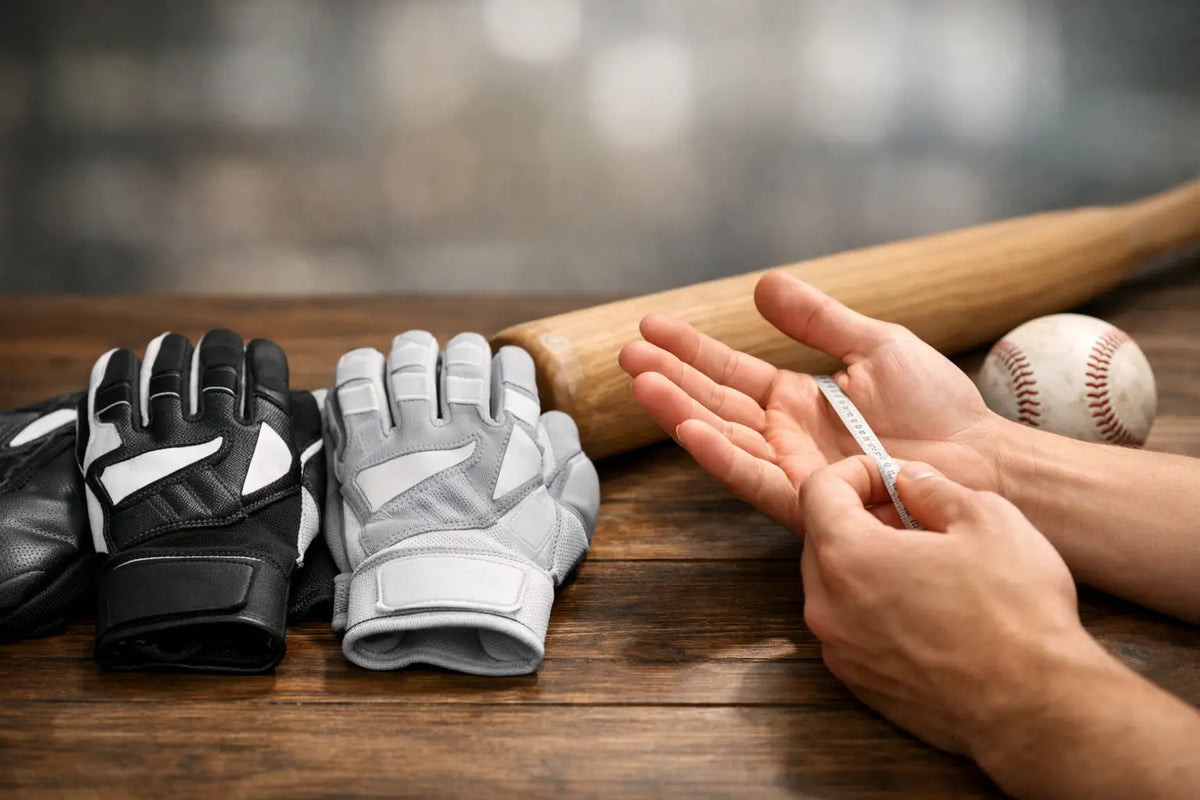
The first thing to judge is fit. If the glove bunches in the palm, slips around the fingers, or leaves extra room at the fingertips, it is already working against the hitter. Youth players need a close fit because they are still building swing consistency. Loose gloves can change how the bat feels in the hands, especially on inside pitches or when a player is trying to stay quick through the zone.
A glove that is too tight is not much better. It can restrict finger movement, create pressure points, and wear out faster at the seams. The best youth batting gloves feel snug without pinching. They move with the hand, not against it.
Material is the next big factor. Leather palms usually offer a softer, more connected bat feel. They tend to mold to the hand over time, which many players love. The trade-off is that some leather gloves need a short break-in period and can wear down faster if they are constantly left in hot car trunks or soaked with sweat and never aired out.
Synthetic palms usually bring better weather resistance and often last longer for players who practice a lot. Some also keep their shape better over time. The downside is feel. A synthetic palm can sometimes feel a little less natural on the bat handle, especially for players who care about touch and control more than pure durability.
Grip matters too, but not in the way people sometimes think. The stickiest glove is not always the best glove. Too much tack can make the hands feel locked in and slow small adjustments during the swing. What most youth hitters really need is reliable grip that stays consistent through sweat, dust, and repeated rounds in the cage.
How to judge batting glove performance in real play
If you want a useful review standard, stop looking only at the first wear. Look at how the gloves respond after several practices, one hard weekend tournament, and a few hot days. That is when weak spots show up.
Start with the palm. Does it stay smooth, or does it start thinning where the bat handle sits? Fraying in the high-contact areas usually shows up early on lower-quality gloves. If the palm gets slick fast, the glove may still look good, but performance is already dropping.
Then check the stitching around the fingers and thumb. Youth players often grip the bat tightly, especially when they are facing better velocity or trying to do too much at the plate. That added tension exposes poor construction quickly. Strong stitching does not just help the gloves last longer. It keeps the fit stable, which matters every at-bat.
The wrist strap deserves more attention than it gets. A weak closure can turn a solid glove into an annoyance. If the strap loosens during swings, the whole glove starts to shift. That is not just uncomfortable. It can pull a young hitter's focus away from the pitch. A secure wrist closure helps the glove feel like part of the hand.
Breathability is another factor that separates decent gloves from gloves players actually want to wear. Youth games can drag on in summer heat, and sweaty hands change everything. Gloves with flexible back panels and venting tend to stay more comfortable deep into games. The trade-off is that lighter, more breathable designs can sometimes sacrifice a little durability compared with thicker, heavier models.
What young players usually need by age and level
Not every youth hitter needs the same glove. A younger rec player often benefits most from comfort, easy fit, and durability. That player is still learning routine, still growing, and may not notice subtle differences in bat feel. For them, a forgiving glove with a secure wrist and dependable palm is usually the smart call.
A more advanced travel ball or middle school player may care a lot more about connection and control. That player takes more swings, faces better pitching, and notices when gloves feel bulky. In those cases, a more premium fit and palm material can make a real difference.
This is where parents and players sometimes see the purchase differently. The player wants the glove that looks fastest. The parent wants the glove that survives the season. The best option usually sits in the middle - enough style to make the player excited to wear it, enough build quality to justify the price.
That balance is part of what makes a strong brand stand out. Good gear should not force a choice between performance and presence. Players want both. They want gloves that hold up and look like they belong under the lights.
Common mistakes when buying youth batting gloves
One mistake is sizing up for growth. It sounds practical, but oversized batting gloves are almost always a bad buy. They reduce control, create bunching, and wear out in awkward places because the glove never sits correctly on the hand. A proper fit now beats a maybe-fit later.
Another mistake is assuming thicker means better. Extra padding can help with sting, especially for younger hitters or players using less-than-perfect batting practice balls. But too much bulk can dull feel and make the hands work harder. If a player is getting regular sting, the answer may be partly glove design, but it can also come from bat choice, contact quality, or grip pressure.
Style-only shopping is the third trap. Looks matter. No question. A player who feels confident in the box often plays freer. But style without function fades fast once the palm starts slipping or the seams start opening. The best-looking glove is the one a hitter still trusts in game three of a weekend set.
A practical standard for any youth batting gloves review
When comparing gloves, judge them on four things: fit, feel, durability, and confidence. Fit is non-negotiable. Feel is about connection to the bat. Durability tells you whether the glove can survive real use, not just a few swings in the backyard. Confidence is the last piece, and it matters more than people admit. If a young player puts on a pair of gloves and feels ready to compete, that has value.
That said, confidence should be earned by performance. A glove should help the hitter stay locked in, not just look the part. The best youth batting gloves support clean grip pressure, reduce hand irritation, and stay consistent swing after swing.
If you are shopping for a serious player, it is worth paying attention to build quality over hype. Premium gloves are not automatically better, but cheap gloves usually reveal their limits fast when the schedule gets busy. If your player practices often, takes cage work seriously, or plays tournament ball, durability and fit should carry more weight than a low price tag.
For brands in this space, including Vi Athletics, the opportunity is clear. Young players want gear that performs with force and shows up with style. That combination is not extra. It is part of the product.
A strong pair of batting gloves should disappear once the at-bat starts. No slipping. No bunching. No second thoughts. Just grip, comfort, and the kind of confidence that lets a young hitter step in ready to do damage. Choose that, and the gloves are doing their job.