You feel it before the first pitch. If your batting gloves slide, your elbow guard shifts, or your gear bag is full of random stuff that does not work together, your at-bat starts behind. That is why learning how to build a hitting gear setup matters. The right setup is not about collecting accessories. It is about stepping in ready, protected, and confident.
A strong hitting setup should match the way you play. A youth player taking weekend reps does not need the same loadout as a varsity starter seeing high velo every week. A cage-only setup also looks different from a full game-day setup. The goal is simple: carry what helps your swing, wear what protects you, and cut what gets in the way.
How to Build a Hitting Gear Setup That Fits You
Start with your role, your level of play, and how often you hit. If you are in the cage three or four times a week, durability matters more than if you only hit during team practice. If you face live pitching regularly, protection moves up the list fast. If you are still growing, comfort and adjustability matter just as much as style.
This is where a lot of players get it wrong. They build a setup around what looks tough instead of what performs under pressure. Good swag has a place, but only when the gear holds up and feels right through a full round of swings. The best setup is the one you stop thinking about once batting practice starts.
Start With the Core of Your Hitting Gear Setup
Every solid hitting setup starts with the essentials. For most players, that means batting gloves, a guard if needed, and a bag that keeps everything organized and ready to grab.
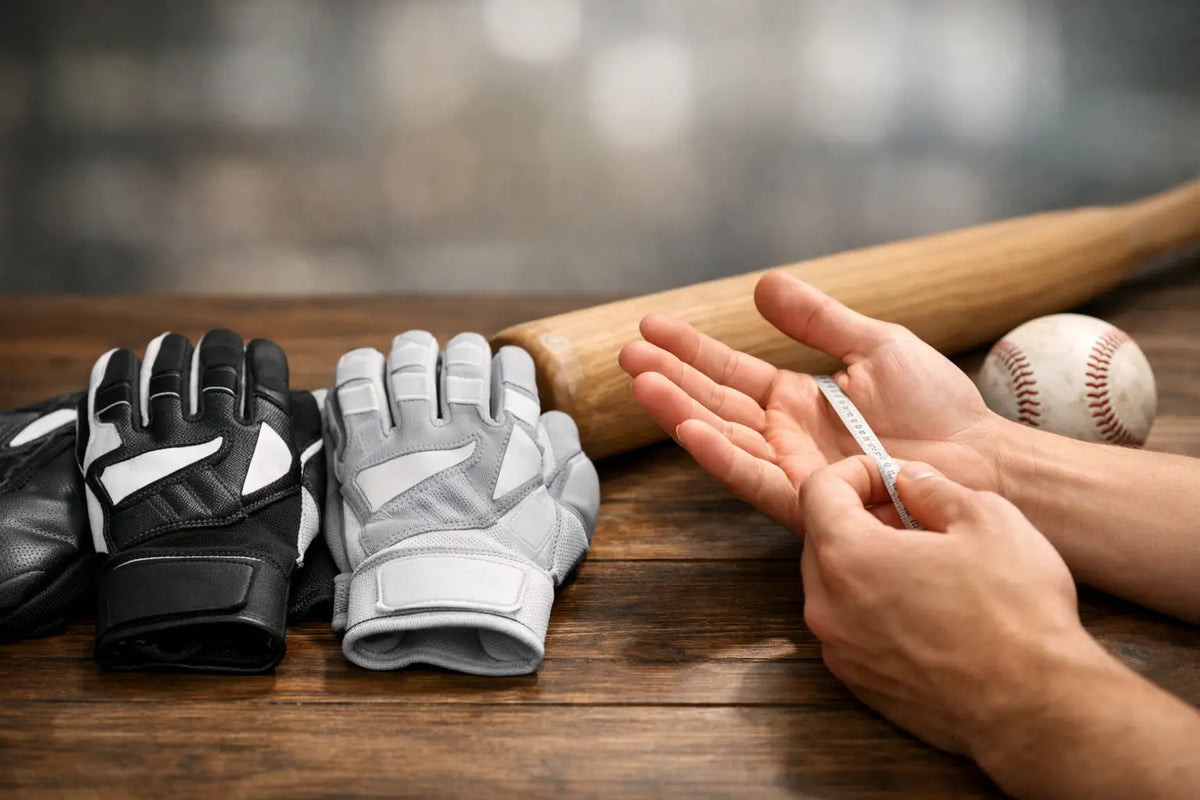
Batting gloves are usually the first piece players notice, and for good reason. They affect grip, feel, and confidence. A pair that is too stiff can make the bat feel dead in your hands. A pair that is too loose can bunch up and distract you on contact. Look for gloves that feel secure through the palm and fingers without cutting off movement. Material matters too. Some players want a softer game-ready feel right away, while others prefer a glove that breaks in over time and lasts longer.
Then comes protection. Not every hitter wears the same guard setup, but if you crowd the plate, face harder pitching, or have already taken a few inside pitches, impact gear becomes more than optional. An elbow guard is one of the smartest adds for serious hitters because it protects without changing much about your swing feel when the fit is right. The key is stability. If it slides around during swings, it becomes a distraction instead of an advantage.
Your bag does more work than most players give it credit for. A good bag is what turns gear into a setup. It keeps gloves from getting crushed, keeps guards easy to find, and gives each item a place. If you are always digging around for what you need, your setup is not dialed in yet.
Build Around Comfort, Then Add Protection
If you are deciding what to buy first, comfort should lead. Protection should follow close behind. Performance drops fast when gear feels off.
That means your batting gloves should disappear once you start hitting. Your guard should stay put without forcing you to adjust between swings. Even smaller things, like wrist coverage or strap placement, can change how locked in you feel. There is always a trade-off here. More coverage can mean more protection, but it can also mean more bulk. Some players love that secure feeling. Others want as little extra material as possible.
This is why one-size-fits-all advice does not work. A younger player may need lighter, simpler gear that is easy to put on and take off. A high school hitter who sees better pitching may want more structure and impact coverage. A player coming back from getting jammed inside may value protection more than minimalism for a while. Your setup should match your reality, not somebody else’s highlight clip.
What to Include in a Full Hitting Gear Setup
Once the core is covered, think in layers. Your setup should support batting practice, game reps, and the in-between moments when you need to stay ready.
Batting gloves are non-negotiable for many players, especially if you want a cleaner grip and less wear on your hands over time. An elbow guard is a strong next step for hitters who face real game velocity or like to own the inner half. Some players also add a sliding mitt or other game accessories, but those are not part of every hitter’s setup. If they help you in actual game situations, include them. If they mostly ride in the bag untouched, skip them.
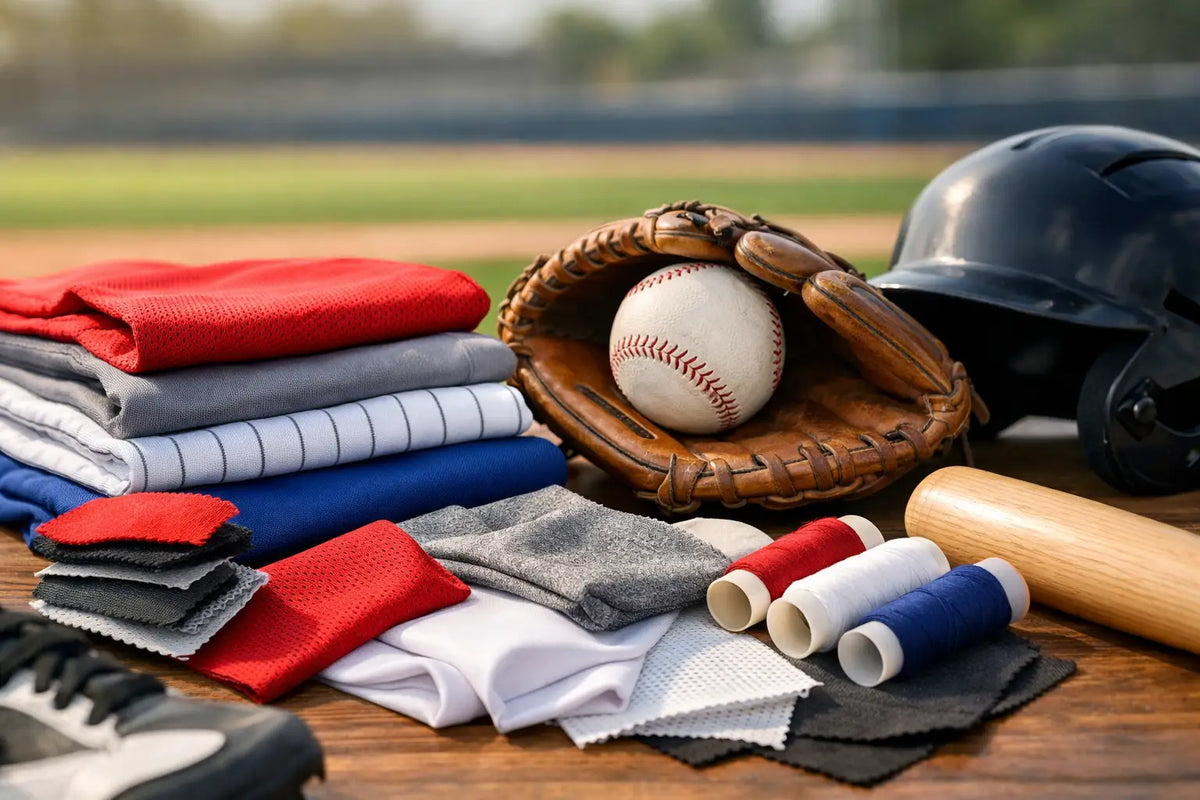
Baseballs matter too if you train on your own or with family. If your practice balls are worn out, slick, or inconsistent, your work gets less sharp. Clean, usable baseballs help make reps more honest. That is especially true for tee work, front toss, and short box work where consistent contact feedback matters.
Apparel is part of the equation, even if players do not always think of it as gear. If your shirt restricts movement or your sleeves catch awkwardly under a guard, that affects how the whole setup feels. Clean movement matters. So does confidence. Looking ready is not everything, but feeling put together can change how you carry yourself in the box.
Budget Matters - Spend Where It Counts
You do not need the most expensive setup to build a strong one. You need the right priorities.
If your budget is tight, put money into the items that directly affect contact and confidence first. Batting gloves and impact protection usually belong at the top because they shape every rep. A good bag is worth it if you train often, but it can come after the gear you actually wear. Extra accessories should come last unless they solve a clear problem.
Parents building a setup for a younger player should think about growth and replacement cycles. There is no point overspending on gear that will be outgrown quickly unless the player is on the field constantly and needs the upgrade now. On the other hand, buying the cheapest option every time can cost more if it wears out fast or never feels right. The smart move is balance - dependable core gear first, upgrades second.
Style Still Has a Place
Let’s be real. Players care how their setup looks. They should. Baseball has always had its own edge, and the right gear can help you feel like yourself when you step in.
But style should sit on top of function, not replace it. The cleanest setup is one that looks sharp because every piece belongs there. Matching colors, strong branding, and a little swagger all hit harder when the gear actually performs. That is the sweet spot. Quality, confidence, and presence.
For brands like Vi Athletics, that mix of performance and attitude is the whole point. Players do not just want to be protected. They want to feel ready to make noise.
Common Mistakes When Building a Hitting Gear Setup
The biggest mistake is overbuilding. Too many players load up on accessories before they know what they actually need. A crowded bag does not make you more prepared. It usually means you are carrying dead weight.
Another mistake is ignoring fit. Players will spend time picking colors and almost none checking whether the glove bunches at the palm or whether the guard stays in place through a full swing. Fit is performance. If it feels off in warmups, it will feel worse in game speed.
The last mistake is never updating the setup. Your game changes. Your body changes. Your level changes. What worked when you were hitting machine pitch or middle school bullpen velo may not cut it later. Check your setup every season. If something is worn out, uncomfortable, or never used, replace it or remove it.
Build a Setup You Trust
The best answer to how to build a hitting gear setup is not more gear. It is better choices. Start with the pieces that protect your hands, support your swing, and keep you focused. Add only what earns its spot. Keep your setup clean, game-ready, and built for the way you actually compete.
When your gear fits right, stays out of your way, and shows up every round, you play freer. That is the goal. Build a setup with force, and let your swing do the talking.