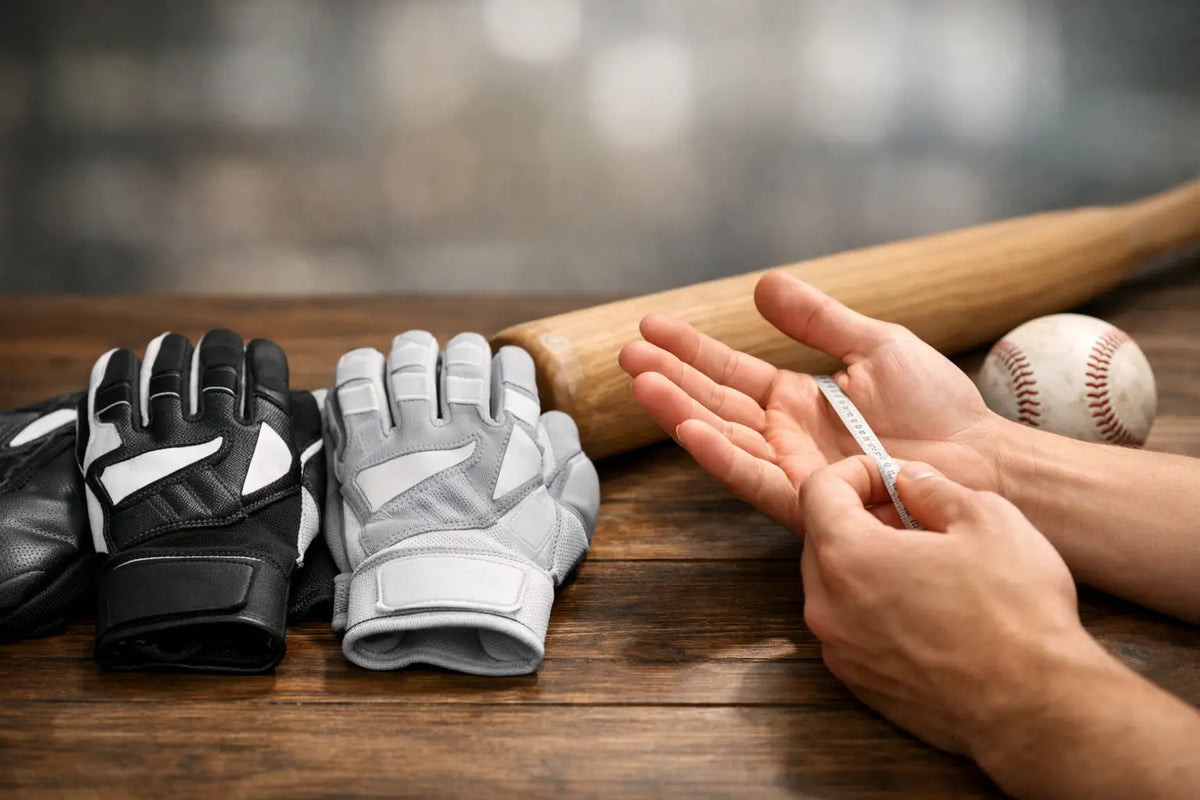
A stiff new pair of batting gloves can make a clean swing feel off by just enough to matter. If the palm bunches, the fingers feel tight, or the leather fights your grip, you will notice it in the cage and at the plate. Knowing how to break in batting gloves the right way helps you get that locked-in feel faster without wrecking the material.
The good news is batting gloves usually do not need a long, painful break-in period like a fielding glove. The bad news is players still ruin them all the time by soaking them, baking them in the sun, or stretching them too aggressively. If you want soft hands, solid grip, and gloves that still hold up deep into the season, the process needs to be simple and controlled.
How to break in batting gloves without damaging them
The fastest way to break in batting gloves is to wear them, flex them, and let your hands shape them naturally. That sounds basic because it is. Most quality batting gloves are built to form to your hand after a few swings, a few rounds of catch, and some light prep work before and after use.
Start by putting the gloves on with dry hands and fastening them the way you would in a game. Open and close your hands 20 to 30 times. Make a fist, spread your fingers, grip an imaginary bat, then repeat. This gets the leather or synthetic palm moving where it needs to move first - across the knuckles, through the palm, and around the thumb.
After that, hold your bat and take dry swings. Not max effort. Just normal, controlled swings while focusing on how the gloves fold around the handle. If there is a pressure point, stiffness in the fingers, or extra material bunching near the palm, this is when you will feel it.
Then use them in a short hitting session. A bucket in the cage or a light practice round is enough. The goal is not to wear them out. The goal is to create heat, movement, and hand-shaped pressure so the gloves start molding to you.
The best break-in method for most players
If you want the safest method, use a two-part approach: light hand flexing off the field and controlled use on the field. That gives you a faster break-in without forcing the gloves beyond what the material can handle.
Step 1: Flex the gloves by hand
Before the first use, work the gloves gently with your hands. Bend each finger channel back and forth. Massage the palm where the bat handle will sit. Fold the gloves closed like you are making a fist with them, then flatten them out again. You are loosening the material, not trying to make them limp.
If the gloves are genuine leather, this step matters even more. Leather responds well to repeated movement. It does not respond well to panic methods.
Step 2: Wear them during dry work
Put them on during tee setup, warmup swings, or even while carrying your gear to the field. Extra hand movement helps. Small motions count. Gripping, adjusting, and flexing all push the gloves toward a more natural fit.
Step 3: Hit in short sessions
Your first few sessions should be controlled. Think batting practice, front toss, tee work, or cage rounds. You want repeated contact and handle pressure, but not the kind of sweat-heavy, all-day use that can harden the gloves before they have shaped correctly.
Step 4: Let them air dry the right way
After practice, take them off and let them air dry indoors. Do not stuff them in a bag. Do not leave them on a hot dashboard. Heat feels like a shortcut, but it dries out leather and weakens stitching. If your gloves get damp from sweat, open the wrist closure and lay them flat.
That is the sweet spot. Use, air, repeat.
Should you use glove conditioner or water?
Usually, no. And if you do, go light.
A lot of players hear break in and think they should treat batting gloves like a baseball glove. Different job, different material stress, different result. Batting gloves are thinner, more fitted, and built for direct hand feel. Too much conditioner can make them slick, heavy, or overly soft in the wrong places.
Water is even riskier. Some players lightly mist leather batting gloves to soften them, but that is one of those it depends moves. A tiny amount may help on very stiff leather, but too much moisture can shrink the gloves, warp the shape, or make the palm dry unevenly after it evaporates. If your gloves are synthetic, water is even less useful as a break-in tool.
If you decide to use any conditioner, use a very small amount on the palm only, then work the glove with your hands and let it dry naturally. More product does not mean better feel. It usually means a shorter glove lifespan.
What not to do when breaking in batting gloves
This is where players lose good gear fast.
Do not soak your gloves. Do not microwave them. Do not leave them in direct sunlight to cook. Do not blast them with a hair dryer. Do not yank on the fingers trying to stretch them a full size. Those hacks can make gloves feel softer for a minute, but they also break down leather fibers, weaken seams, and ruin the fit.
Another mistake is using brand-new batting gloves in a full game before they have moved with your hands. Nine innings of sweat, dirt, and repeated swings can lock in pressure spots before the gloves have a chance to settle. A couple of short practice sessions first is the smarter move.
And if the gloves feel painfully tight from the start, breaking them in may not solve the problem. Batting gloves should fit snug, but they should not cut off movement or pull hard at the webbing between your fingers. Some stiffness goes away. Bad sizing usually does not.
How long does it take to break in batting gloves?
Most batting gloves break in within two to five hitting sessions. Some feel ready after one cage round. Premium leather models may take a little longer, especially if they are built with thicker palms for durability.
The timeline depends on material, fit, weather, and how often you swing. Warm conditions and regular use usually speed things up. Cold weather can make gloves feel stiffer longer. If you are rotating between multiple pairs, each pair will obviously take longer to reach that fully broken-in feel.
A good sign they are ready is simple: you stop thinking about them. The fingers close naturally, the palm grips without bunching, and the wrist stays secure without needing constant adjustment.
How to keep batting gloves feeling game-ready
Once your gloves are broken in, maintenance matters. A lot.
Take them out of your bag after every practice or game. Let them dry flat in a cool space. If they are caked with dirt, wipe them gently with a dry or barely damp cloth. Keep pine tar, heavy oils, and random cleaners away from the palm unless the glove maker specifically says otherwise.
If you play often, rotating between two pairs can help each one last longer and keep the fit more consistent. That is especially useful for players grinding through tournaments, summer ball, or long high school weeks where one pair never really gets time to dry.
Quality matters here too. Better materials usually break in cleaner, hold shape longer, and keep their feel deeper into the season. That is the difference between gloves that become part of your swing and gloves that just survive it. Gear should work with you, not against you. That is the whole mindset behind serious baseball equipment, and it is exactly why players who care about feel, fit, and style pay attention to the details.
When to replace instead of break in more
If the palm is thinning out, the stitching is separating, or the glove has stretched so much that the bat feels loose in your hands, the issue is no longer break-in. It is wear.
A good broken-in glove feels natural. A worn-out glove feels sloppy. There is a difference. If you are overgripping the bat because the palm has gone slick or the fingers have lost structure, it is time for a new pair.
Breaking in batting gloves should make them feel like an extension of your hands, not a project. Keep it simple, stay patient, and let the swings do the real work. When the fit is right, the grip is clean, and your hands feel free, you are ready to step in and be a force.