A pitch riding inside at the plate and a bang-bang steal at second are two completely different moments. That is why the elbow guard vs sliding mitt debate matters more than a lot of players realize. These pieces of gear are not interchangeable. They solve different problems, show up in different parts of the game, and can change how confident you feel in high-pressure reps.
If you are choosing between the two, start here: an elbow guard is built for hitters facing live pitching, while a sliding mitt is built for runners attacking the bases. One protects you from impact before contact. The other protects your hand and fingers after the ball is in play. Simple idea, big difference.
Elbow guard vs sliding mitt: the real difference
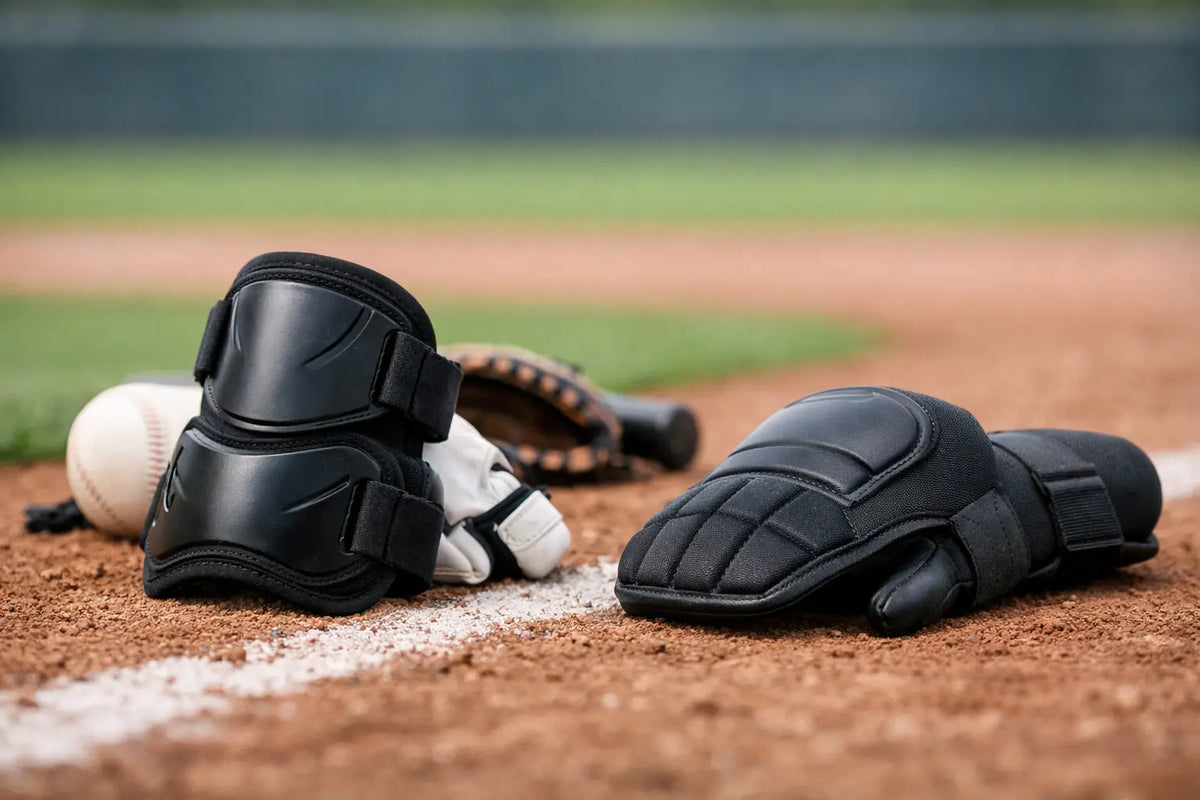
An elbow guard protects the elbow and part of the forearm from pitches that run in or get away from the pitcher. It is batting protection. Its job is to absorb force, reduce sting, and help a hitter stay in the box without flinching every time a fastball comes inside.
A sliding mitt protects the hand, fingers, and sometimes the wrist during headfirst slides. It is baserunning protection. Its job is to keep fingers from jamming, bending back, or getting stepped on while reaching for the bag.
That is the clean answer in the elbow guard vs sliding mitt conversation. One is for the batter’s box. One is for the basepaths.
Where players get mixed up is that both pieces are worn on the arm or hand, both look like modern performance gear, and both can feel like part of your on-field identity. But if you expect one to do the other’s job, you are setting yourself up wrong.
When an elbow guard makes the biggest impact
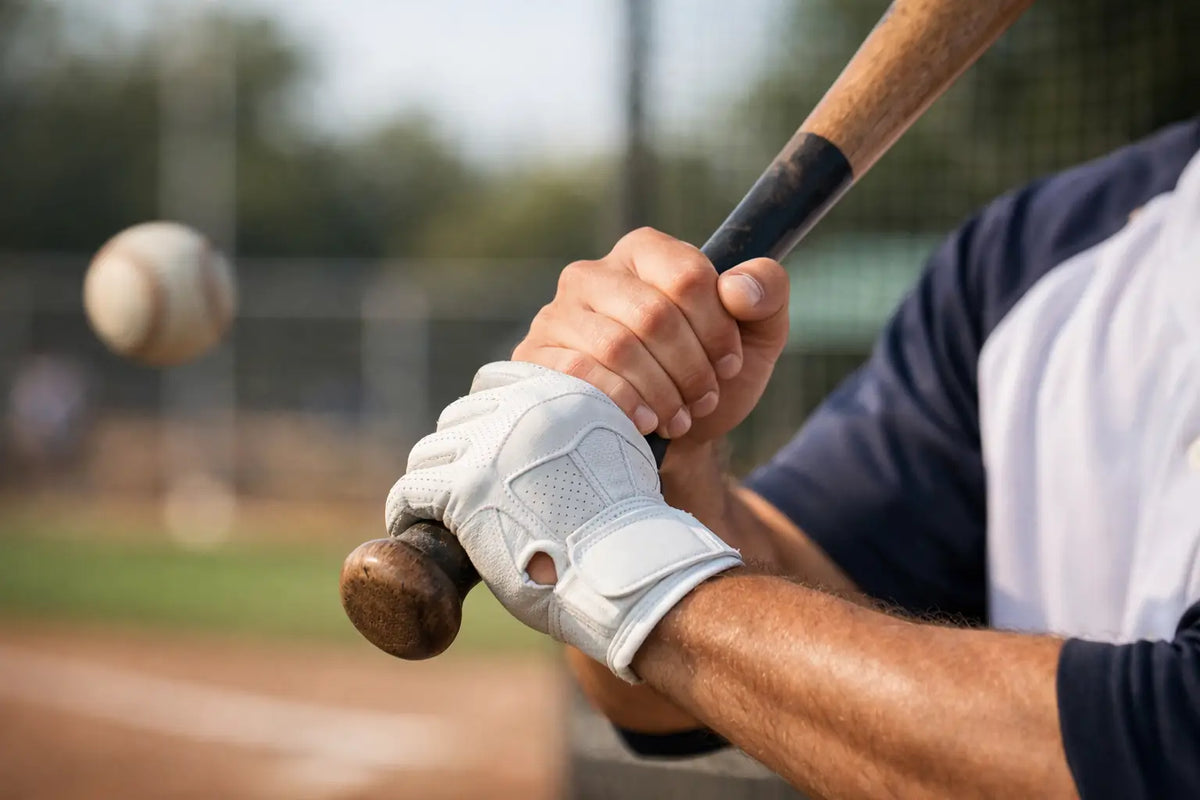
Hitters who crowd the plate, turn on inside velocity, or face pitchers with real command issues benefit most from an elbow guard. If you are seeing hard throwers, catching a lot of inside pitches, or dealing with breaking balls that back up, this is not extra gear for show. It is practical protection.
A good elbow guard can also change your mindset. That matters. Baseball is hard enough without bailing out on inside pitches because you got clipped last weekend. Protection is not just about reducing pain. It is about letting your swing stay aggressive.
For younger players, an elbow guard can be especially useful when pitch control is inconsistent. Youth and high school games can get unpredictable fast. Even if the velo is not elite, a pitch off the elbow still hurts and can wreck an at-bat.
There is a trade-off, though. Some hitters do not like the feel of extra gear on their lead arm. They may feel restricted, especially if the fit is bulky or shifts during the swing. That is why fit matters as much as protection. If it moves around, pinches, or distracts you, you will notice it every pitch.
Best fit for an elbow guard
An elbow guard should feel secure but not stiff. You want it locked in place through your load and swing, without cutting off movement. If it slides down your arm or rotates when you check your swing, it is not doing its job.
Players also need to think about sleeve length, jersey fit, and comfort in hot weather. If you are playing summer ball, gear that feels fine in the dugout can feel very different by the third inning.
When a sliding mitt is worth it
A sliding mitt earns its keep when you are aggressive on the bases. If you steal, dive back on pickoff attempts, or score with headfirst slides, your hands take a beating. Fingers can jam on the dirt, bend awkwardly on the bag, or get hit by cleats and tags.
That is where a sliding mitt helps. It adds structure around the hand and fingers so you can reach with more confidence. It can also give some players a better sense of control when extending for the base.
This gear is especially useful for middle infielders, leadoff hitters, and any player whose game includes pressure on the bases. If your coach wants you forcing throws, taking extra bags, and creating chaos, hand protection starts to make a lot of sense.
The trade-off is that not every player needs one. If you rarely slide headfirst, mostly stand-up into bases, or are not a frequent baserunner, a sliding mitt may spend more time clipped to the fence than on your hand. It can also feel like one more thing to manage during the game if you are not used to it.
Best fit for a sliding mitt
A sliding mitt should feel snug and stable, with finger coverage that does not leave dead space or shift on impact. If it is too loose, your hand can still move around inside it, which defeats part of the purpose. If it is too tight, it becomes distracting and uncomfortable.
You also want to think about how quickly you can get it on and off. For some players, that matters a lot. A piece of gear only works if it fits your pace and routine.
Do you need one or both?
For a lot of players, this is the real question.
If you are mainly a hitter and not much of a threat on the bases, choose the elbow guard first. It directly affects your at-bats and protects you against one of the most common in-game impacts.
If your game is built on speed, pressure, and aggressive baserunning, a sliding mitt may give you more value. It protects a part of the body that gets exposed every time you dive in.
If you are an everyday player who hits in traffic and runs often, both can make sense. There is no rule that says you have to pick one forever. The better question is where you are most exposed during games.
A corner infielder with limited steal attempts may not need a sliding mitt often. A slashing middle infielder who gets on base and turns every single into pressure probably should not ignore hand protection. A cleanup hitter facing velocity inside should not skip elbow protection just because the sliding mitt looks cooler.
That last part matters. Style is part of baseball. Swag has always lived in the game. But the best gear choice is the one that matches your role, not just your look.
Elbow guard vs sliding mitt for youth and high school players
Parents and younger players usually want to know what is necessary and what is optional. Fair question.
At the youth level, an elbow guard often has broader value because young pitchers can miss spots and hitters are still learning how to stay in on inside pitches. It can build confidence at the plate and lower the fear factor.
A sliding mitt becomes more valuable as baserunning gets more aggressive and headfirst slides show up more often. In some leagues, coaches discourage headfirst slides at younger ages. In others, players are constantly diving back on pickoffs or extending for bags. League style matters.
For high school players, both pieces become more relevant because game speed jumps. Pitchers throw harder. Tags get firmer. Players are stronger and more aggressive. Protection stops being a maybe and starts becoming part of how serious players prepare.
What players get wrong
The most common mistake in the elbow guard vs sliding mitt decision is buying for hype instead of function. If you are not using the gear in the situations it was designed for, you are not getting much from it.
Another mistake is ignoring fit. Cheap or poorly fitted protective gear can become annoying enough that players stop wearing it. Comfort is not a bonus. It is part of performance.
Players also underestimate confidence. When protection feels right, you commit more. You stay in on the pitch. You attack the bag. You play free. That is not fake toughness. That is smart preparation.
How to choose without overthinking it
Ask yourself two questions. Where am I most likely to get hurt? And where does protection help me play more aggressively?
If the answer is inside pitching, go elbow guard. If the answer is headfirst slides and stolen bases, go sliding mitt. If both show up in your game every week, both are justified.
Keep it role-based. A catcher who rarely steals but takes inside swings in BP and games might get more from elbow protection. A speed-first outfielder who lives on chaos once he gets on base may care more about finger protection. A versatile player who does both should not force a false choice.
At Vi Athletics, that mindset is simple: wear gear that helps you play harder, smarter, and with real confidence. Not because it looks tough, but because it lets you compete like you mean it.
The best gear decision is the one that matches the way you actually play. Choose the protection that backs your game, then step on the field ready to be a force.