A lot of hitters blame their swing when the real problem starts earlier - in their hands. If you want to know how to improve batting grip, start by paying attention to what the bat feels like before the swing even begins. A grip that is too tight, too loose, or just out of position can cost you bat speed, control, and confidence.
The good news is that batting grip is one of the fastest fixes in baseball. Small changes can make the bat feel lighter, quicker, and more connected to your body. That matters whether you're a youth player learning the basics, a high school hitter chasing harder contact, or a parent trying to help your athlete feel more comfortable at the plate.
Why your batting grip matters more than you think
Your hands are the first point of contact with the bat, so they influence everything that happens after launch. A clean grip helps you stay loose, direct, and on time. A bad one can create tension in your forearms and shoulders, which usually turns into a slower swing and less barrel control.
This is where hitters get fooled. They think gripping harder gives them more power. Usually, it does the opposite. When your hands get too tight, your swing gets stiff. Instead of letting the barrel work through the zone, you start forcing it.
A better grip gives you a better chance to do three things well - control the barrel, stay quick through contact, and adjust to different pitch speeds and locations. That's the kind of edge that plays at every level.
How to improve batting grip with the right hand placement
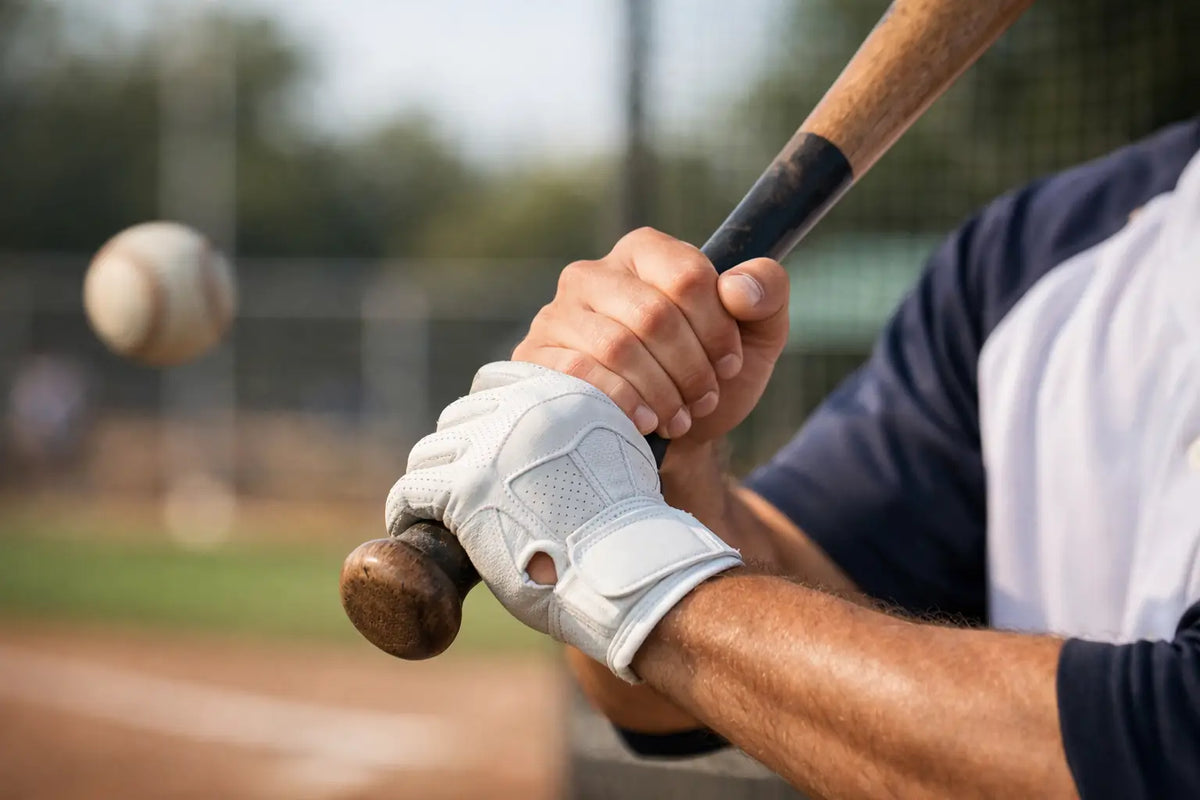
Start with the bat resting more in your fingers than deep in your palms. This is one of the biggest adjustments hitters can make. If the handle sits too far into the palms, your wrists lose freedom and the bat becomes harder to whip through the zone.
Think of it this way: your fingers help create quickness, while your palms tend to create tension. You still want the bat secured, but not buried in your hands.
Next, line up your knocking knuckles in a comfortable, athletic position. Some coaches teach full box knuckles lined up. Others prefer a more natural match between the middle knuckles. Both can work. The goal is not forcing a perfect textbook look. The goal is putting your hands in a position where your wrists can move freely and the barrel can stay connected to your turn.
If your current grip feels jammed, awkward, or locked up, that's a sign something needs to change.
Top hand and bottom hand roles
Your bottom hand helps guide the bat path early. Your top hand helps deliver the barrel through the zone. If one hand dominates too much, the swing can get out of balance.
A common issue is an overactive top hand that rolls early and kills backspin. Another is a weak top hand that leaves the bat dragging. You want both hands working together, not fighting each other.
That balance starts with grip pressure. The bottom hand should feel stable. The top hand should feel ready and quick, not rigid.
Grip pressure can change your whole swing
One of the easiest ways to improve contact is to relax your hands. Not completely loose, not white-knuckle tight - somewhere in between. Most hitters do best when they hold the bat firm enough to control it, but loose enough to stay fast.
A good checkpoint is this: if your forearms are burning before the pitch comes, you're too tight. If the bat feels shaky or unstable during your load, you're too loose. The sweet spot is athletic tension. Ready, not rigid.
Grip pressure can also change by situation. With two strikes, some hitters naturally choke up a bit and soften the grip for more control. When looking to drive the ball, they may hold the bat a little firmer. That's normal. The best hitters know feel is not one-size-fits-all.
The mistake of squeezing for power
Power comes from sequence, bat speed, and barrel quality. It does not come from strangling the handle. In fact, over-squeezing often slows the hands and locks the wrists.
If you want more force through the ball, focus on clean connection and fast rotation, not extra hand tension. Strong hitters look violent through contact, but their setup usually stays calm and efficient.
Common batting grip mistakes that hold hitters back
Some grip issues are obvious. Others are hard to spot until they show up in weak contact or inconsistent timing.
One common mistake is letting the handle sit too deep in the hands. That can make the bat feel heavy and late. Another is misaligned knuckles that force the wrists into an unnatural angle. Some hitters also let the top hand drift too far under the bat, which can create a steep or choppy path.
Then there is simple overthinking. A hitter makes five grip changes in one week, watches a dozen videos, and suddenly nothing feels natural. Good adjustments should make the swing feel cleaner, not more complicated.
If your hands are getting blisters in the same spots every session, that can be a clue too. Sometimes it points to friction from poor handle placement or excess tension. Sometimes it means your batting gloves are not helping you lock in a consistent feel.
How to improve batting grip in practice
The best way to fix your grip is to make it repeatable. That means checking it during tee work, front toss, and live swings until it becomes automatic.
Start every round by setting your hands the same way. Before you swing, make a quick check: is the bat in the fingers, are the knuckles in a strong position, and are the hands relaxed enough to move fast? That takes two seconds, but it builds a habit.
Tee work is especially useful because it removes timing pressure. You can focus on feel and contact quality without rushing. Hitters often notice right away when a better grip makes the barrel enter the zone more smoothly.
Front toss is the next test because it adds rhythm. If your grip is right, your load and launch should feel cleaner. If it still feels tight or awkward, adjust before moving on.
A simple feel drill
Take your stance and hold the bat at normal setup. Loosen your hands slightly, then waggle the barrel with small controlled movements. You should feel the bat alive in your fingers, not dead in your palms.
Now take three short swings at about 50 percent effort. Focus only on freedom in the wrists and clean contact. This drill is simple, but it helps hitters feel the difference between tension and control.
Batting gloves and bat handle feel matter too
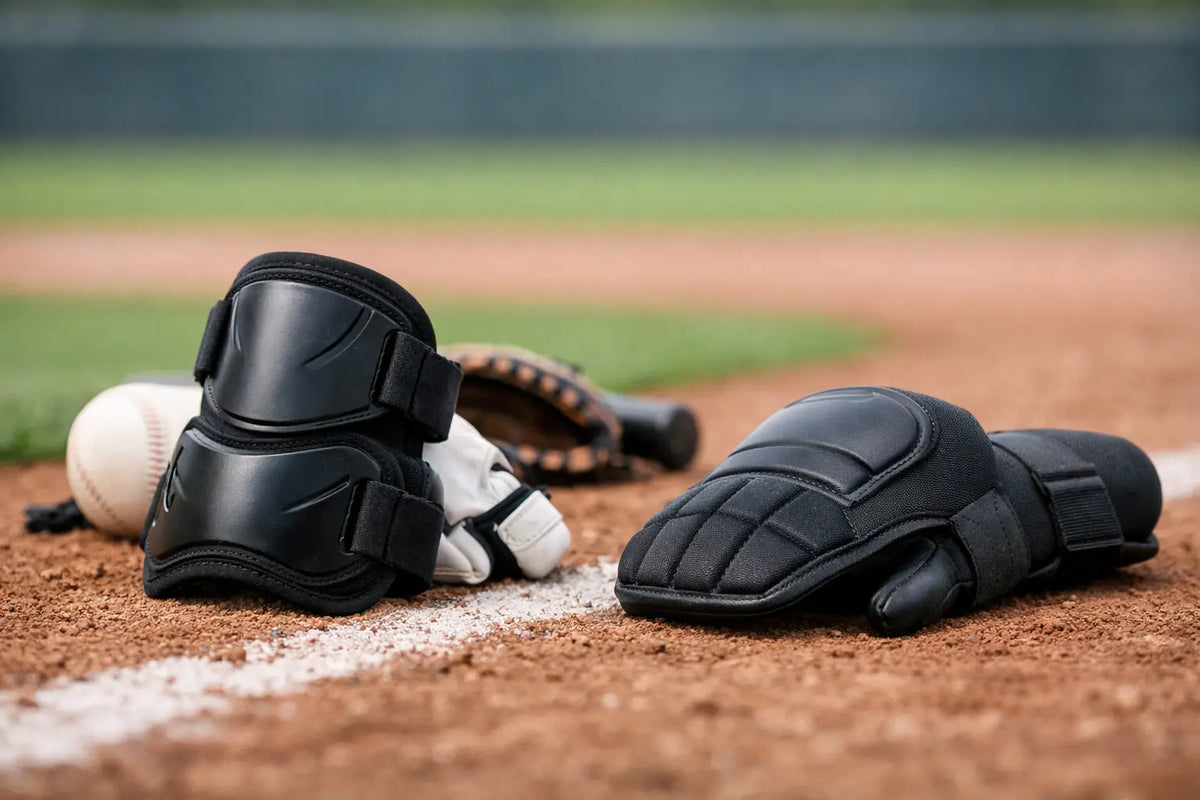
Not every grip problem is mechanical. Sometimes it is equipment. If your batting gloves are too bulky, too slick, or worn out, it gets harder to create a confident, repeatable hold on the bat. The same goes for a handle that feels too thin or too thick for your hands.
This is where personal preference matters. Some hitters like a tackier feel for security. Others want more natural bat feel and less material between the hand and handle. Neither is automatically better. What matters is whether your setup lets you stay comfortable, in control, and aggressive through the swing.
For younger players especially, the right glove fit can make a big difference. Gloves that bunch up in the palm or slide at contact can teach bad habits fast. Clean fit, good feel, and reliable grip support better mechanics.
That is part of the reason serious hitters pay attention to gear. Confidence is easier to build when your hands feel ready every round. Vi Athletics leans into that space for a reason - performance starts with what you trust in the box.
When to adjust your batting grip and when to leave it alone
Not every hitter needs a major change. If you are making hard contact consistently and your hands feel free, you probably do not need to rebuild your grip from scratch. Small refinements beat constant tinkering.
But if you feel late all the time, fight sting in the hands, lose the barrel often, or struggle to repeat your swing under pressure, your grip deserves a closer look. It may not be the only issue, but it is one of the easiest places to clean things up.
You should also expect some trial and error. A grip that feels great off the tee may need a slight adjustment in games. That does not mean the change failed. It means hitting is feel-based, and feel gets sharper with reps.
The strongest hitters are not guessing in the box. They know how the bat should sit in their hands, how much pressure they want, and what gives them the best shot to attack the baseball. Build that kind of grip, and everything after it has a better chance to show up when the game gets fast. Keep it simple, trust the feel, and step in ready to be a force.