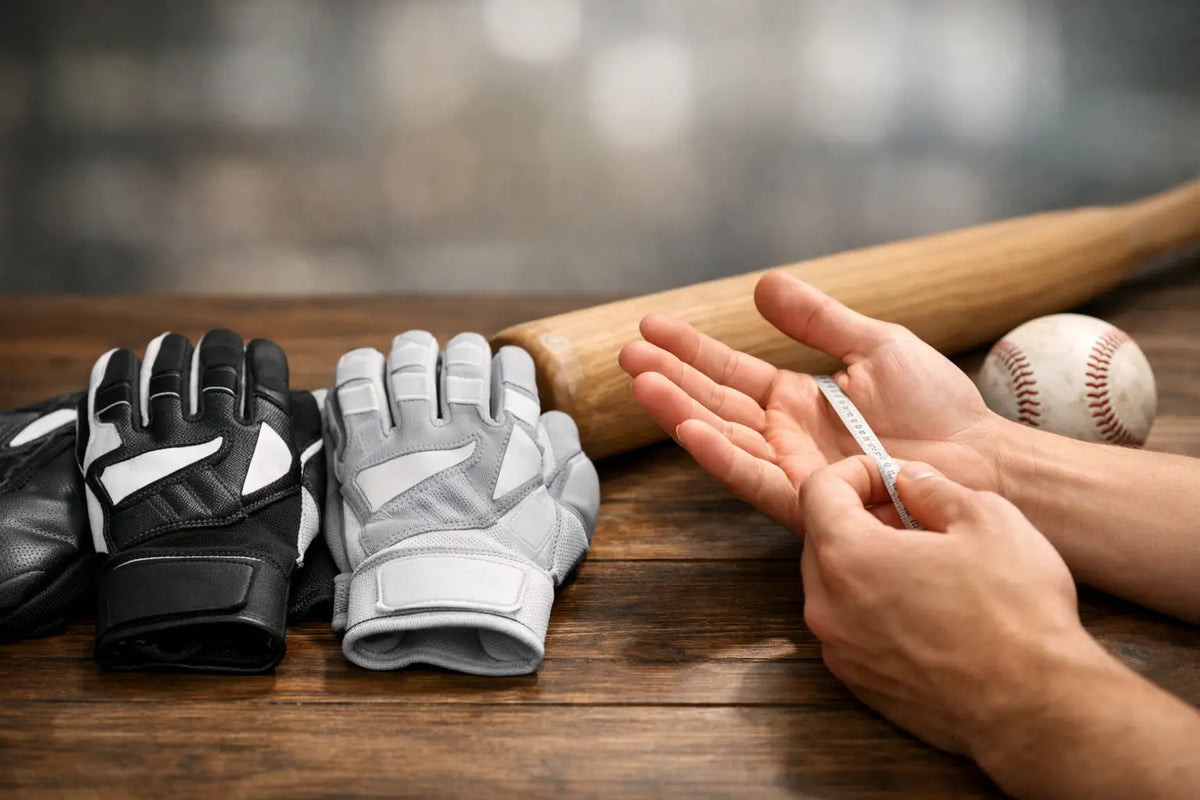
That first sting from a mis-hit on a cold night tells you a lot about your gear. So, are batting gloves worth it? For a lot of players, yes. They can improve grip, cut down on blisters, add comfort, and help you feel locked in at the plate. But they are not magic, and not every hitter needs them for the same reason.
If you play often, sweat through your hands, or want a more secure feel on the bat, batting gloves usually earn their spot in your bag. If you only step in for casual swings once in a while, they might feel more optional. The real answer depends on how you hit, how often you play, and what bothers you most when you are in the box.
Are batting gloves worth it for most players?
For most baseball and softball players, batting gloves are worth it because they solve real problems fast. The biggest one is grip. A bare hand on a metal or composite bat can get slick, especially in heat, humidity, or long tournament days. Batting gloves give you more control without forcing you to squeeze the handle harder than you should.
That matters more than a lot of players realize. When your grip feels unstable, your whole swing can tense up. You start overholding the bat, your forearms tighten, and your swing gets less free. Good batting gloves help you stay loose while still feeling connected to the barrel.
They also protect your hands from wear. Repeated swings can create hot spots, friction, and blisters, especially during batting practice. Once a blister opens up, every swing after that becomes a distraction. Gloves reduce that friction and make it easier to keep taking reps.
Then there is confidence. That part gets overlooked, but it is real. Players perform better when they feel comfortable and ready. If your gloves make you feel secure, game-ready, and like you belong in the box, that has value too. Gear should help you play with force, not hesitation.
What batting gloves actually help with
The best reason to wear batting gloves is not style, even though style matters to plenty of players. It is function. Batting gloves help with grip, vibration control, hand comfort, and consistency from swing to swing.
Grip is the most obvious advantage. Leather or synthetic palms create better traction against the bat handle than skin alone, especially once sweat becomes a factor. That can help in cage work, live at-bats, and late innings when your hands are not as fresh.
They also soften vibration. Batting gloves will not erase the sting of getting jammed, but they can take the edge off. For younger players, that can be a big deal. Some kids pull off the ball or get timid inside after a few uncomfortable swings. A little hand protection can keep them attacking instead of flinching.
Comfort is another win. A good pair of gloves fits close without bunching, gives your hands a more secure feel, and helps create a routine. Put them on, strap them down, step in, compete. That rhythm matters.
When batting gloves are definitely worth it
If you hit multiple times a week, batting gloves are usually a smart buy. Repetition changes the equation. What feels unnecessary for five casual swings can feel essential over a full practice, a weekend tournament, or a long season.
They are especially worth it if your hands sweat a lot. Slippery hands change your grip pressure and can make the bat feel unstable. Gloves help keep the handle from shifting, which makes your swing feel more consistent.
They are also worth it for players who get blisters easily or have sensitive hands. This includes younger athletes still building hand strength and high school players grinding through heavy training volume. If your hands are taking a beating, gloves are not extra. They are part of staying ready.
Cold weather is another big factor. Batting with bare hands in early spring can feel rough fast. Gloves will not make 45-degree weather feel warm, but they do add a layer between your skin and the bat, and that can make batting practice far more manageable.
When batting gloves might not be worth it
Not every player loves them, and that is fine. Some hitters prefer the direct feel of bare hands on the bat. They like maximum feedback and do not want any extra layer changing that connection. If that is you, gloves may feel unnecessary or even distracting.
They also might not be worth it if you rarely play. If you are a casual rec player who only takes a handful of swings now and then, the benefit may be small. In that case, batting gloves become more about preference than need.
Fit can also ruin the experience. Cheap or poorly sized gloves bunch in the palm, slip at the fingers, or wear out quickly. That can make your grip worse instead of better. If the gloves do not fit right, they are probably not worth wearing at all.
Some players also use batting gloves as a fix for bigger swing issues. Gloves can help your hands feel better, but they cannot replace proper grip technique, bat control, or quality reps. If your swing feels unstable, the answer may be in your mechanics, not your accessories.
Are batting gloves worth it for youth players?
For a lot of youth players, yes. Batting gloves can make the game more comfortable, which helps kids stay confident and aggressive at the plate. Hand sting, blisters, and a slick grip can all make young hitters back off. Gloves reduce some of that friction, literally and mentally.
They can also help players feel more serious about their preparation. That matters for younger athletes who are learning routines and building confidence. When a kid steps in feeling ready, focused, and proud of their gear, that can show up in how they compete.
That said, parents do not need to treat batting gloves like a miracle purchase. If a child is just starting out and only plays lightly, gloves are helpful but not mandatory. Durability and fit matter more than hype. A glove that feels comfortable and holds up through practice is a better investment than one with a flashy look and weak construction.
What to look for if you decide they are worth it
If you are buying batting gloves, focus on fit first. They should feel snug without cutting off movement. Loose material in the palm can lead to bunching and slipping, while gloves that are too tight can wear out faster and feel restrictive.
Palm material matters next. Some players prefer soft leather for feel and grip, while others like synthetic options for flexibility and value. There is no universal winner. It comes down to how often you play, how much feel you want, and how hard you are on your gear.
Pay attention to the wrist closure too. A solid strap helps the glove stay secure through the swing. If the wrist shifts or loosens, the whole glove can feel off.
And yes, style counts. Baseball has always had swagger. If your gear makes you feel sharper, more confident, and more like yourself, that is part of performance. At Vi Athletics, that balance of quality and force matters because players want gear that works and looks ready for the moment.
The real trade-off
The trade-off is simple. Batting gloves add comfort and control, but they are still one more piece of gear to buy, break in, clean, and replace. If you play enough to feel the benefits, they are usually worth it. If you do not, they can end up sitting in the bag.
There is also the question of dependency. Some players get so used to batting gloves that hitting barehanded feels completely off. That is not always a problem, but it is worth knowing. Good gear should support your game, not make you feel lost without it.
Still, most serious players are not asking batting gloves to do too much. They just want reliable grip, fewer blisters, and a better feel at the plate. That is a fair expectation, and a good pair usually delivers.
If you are still deciding, think about what happens when you hit now. If the bat slips, your hands sting, or your palms get chewed up after practice, batting gloves are probably worth it. If none of that bothers you, you may be fine without them. The best gear decision is the one that helps you step into the box feeling ready to attack the next pitch.