A cheap bat that stings your hands, batting gloves that split after two weeks, or an elbow guard that slides around in the box - that is what happens when a baseball equipment sale looks good on the price tag but misses where it counts. The right sale is not just about spending less. It is about getting game-ready gear that can take reps, travel, dirt, sweat, and pressure.
For players and parents, a baseball equipment sale can be the best time to level up without wasting money on gear that will not last. But not every discount is a win. Some products are marked down because they are older colors or overstock. That can be a steal. Others are marked down because the fit is off, the quality is weak, or the gear solves the wrong problem. Smart buying starts with knowing what matters on the field.
What a baseball equipment sale should actually deliver
A real baseball equipment sale should help you leave with more confidence, not more questions. That means the product still needs to perform. If a batting glove feels thin in the palm, if a protective guard shifts during movement, or if a practice ball wears out too fast, the lower price does not help much.
Good sale shopping starts with function first. For most players, that means looking at protection, grip, durability, and fit before style. Style still matters. Baseball is a sport where players want to look sharp and feel like themselves. But swagger plays better when the gear backs it up.
The best discounted gear usually falls into one of two categories. Either it is proven equipment offered at a lower price for a limited time, or it is a seasonal style shift where performance stays the same and the branding or color package changes. Both can be strong buys. The risk is when shoppers chase the biggest markdown instead of the best value.
Start with the gear that impacts performance most
If your budget is tight, do not spread it across everything at once. Start with the pieces that affect comfort, confidence, and protection every single game.
Batting gloves
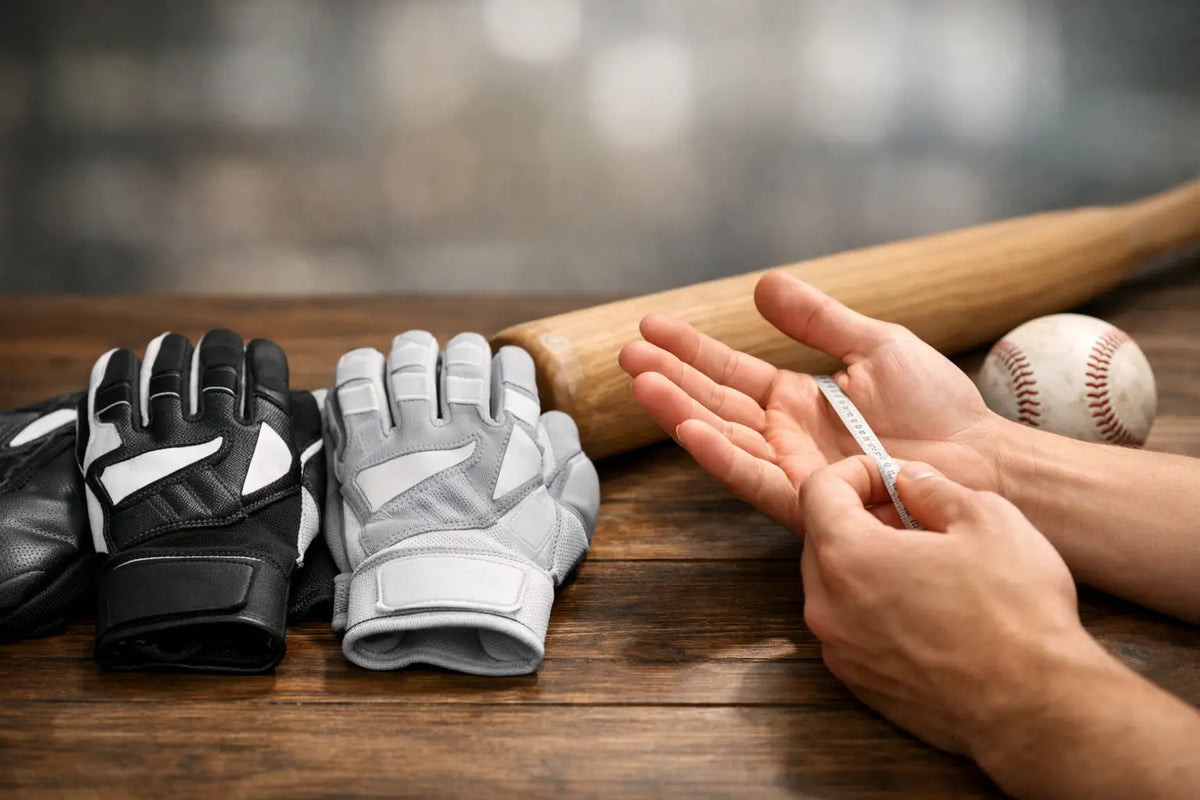
Batting gloves are one of the easiest places to tell the difference between bargain-bin gear and performance gear. Cheap pairs often lose grip fast, stiffen up, or rip around the seams. A better pair should feel secure without limiting hand movement. You want durability through the palm, reliable closure at the wrist, and material that holds up through cage work and game swings.
If you are shopping a sale, ask a simple question: will these still feel right in a month? A lower price is only a win if the gloves keep their shape and grip under real use.
Protective gear
Elbow guards and similar protection pieces need to stay put. That is the whole job. If they shift, pinch, or feel bulky, players stop trusting them. Once that happens, the gear becomes a distraction.
A sale is a great time to buy protective gear if the fit is dialed in and the design is made for movement. Younger players especially benefit from equipment that feels secure without looking oversized or awkward. Confidence matters in the box. Protection should support that, not fight it.
Practice essentials
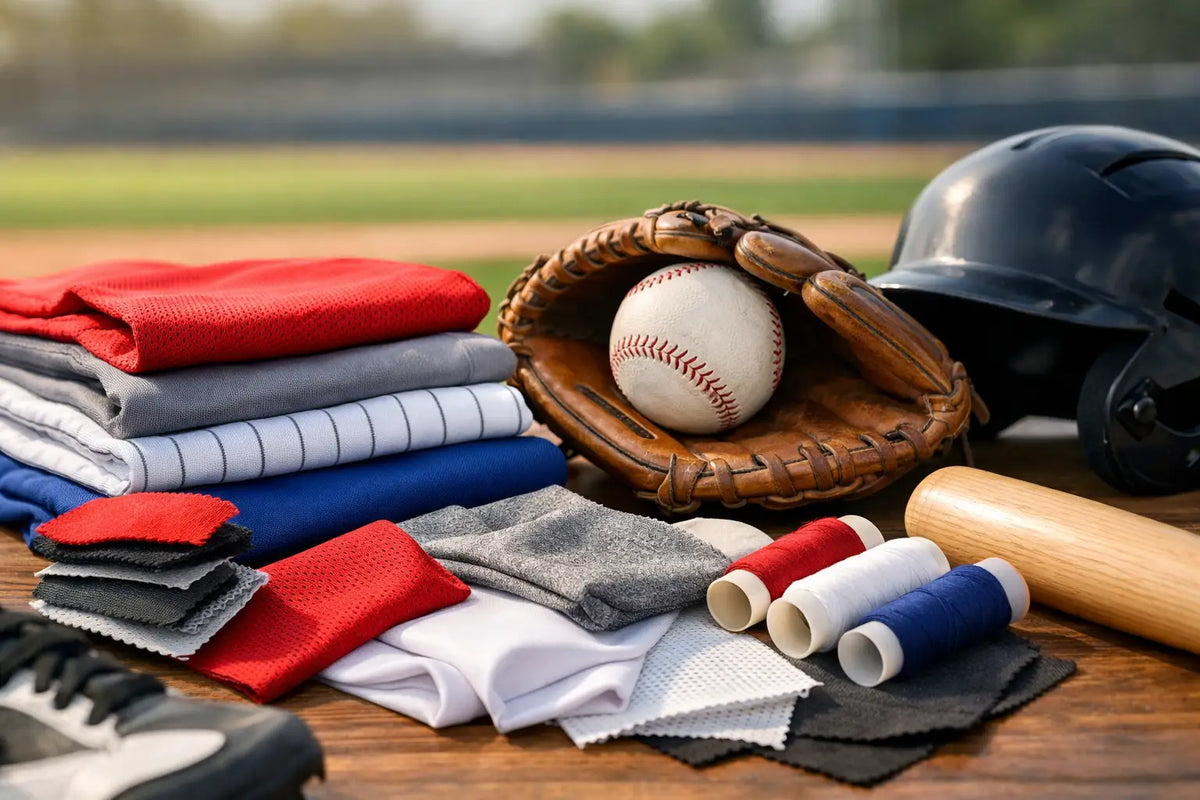
Baseballs and training pieces may not get the same attention as flashy game gear, but they burn through fast. That makes them strong sale targets. If the quality is dependable, buying practice gear during a baseball equipment sale can save money over the course of a full season.
The trade-off is simple. For daily training, consistency matters more than hype. You do not need the most expensive option every time, but you do need gear that holds up through volume.
Price matters, but fit matters more
A lot of bad gear decisions come from chasing the biggest discount before checking sizing and fit. That is especially true for youth players, teens in growth spurts, and parents buying ahead.
Buying slightly ahead on apparel can make sense. Buying too far ahead on gloves, guards, or any item that needs a secure fit usually does not. Gear that is too loose gets ignored. Gear that is too tight gets replaced. Either way, the sale stops being a deal.
This is where direct-to-consumer brands often have an edge. A focused catalog usually means the products are built with a clearer point of view instead of trying to cover every sport and every use case at once. For baseball players, that matters. Baseball gear is specific. The wrong fit can show up in one swing, one slide, or one hard take inside.
How to tell if sale gear is actually high quality
You do not need to be a gear expert to spot the signs. Start with materials and construction. Look for reinforced areas where the product takes stress, clean stitching, dependable closures, and surfaces that feel made for repeated use instead of light wear. In baseball, gear gets tested fast. Sweat, dust, friction, impact, and travel all expose weak products.
Then think about how the item will be used. A player hitting every day after school needs more durability than someone playing once a week in a rec league. Neither shopper is wrong. The point is to match the gear to the workload.
That is where context matters more than hype. A less expensive item can be a great buy for occasional use. A serious player who trains often may save more long term by buying stronger gear once, even if the sale price is a little higher.
Style is not extra in baseball
Some people act like style and performance are separate lanes. In baseball, they are connected. When players feel sharp, they play freer. That does not mean style should beat quality. It means the best gear handles both.
A strong baseball equipment sale should not force you to choose between looking good and being ready. The best products bring clean design, solid materials, and that little edge players want when they walk into the cage or step onto the field. Swag is not fluff. It is part of presence.
That is one reason brands like Vi Athletics connect with players and families who want gear to do more than just check a box. The product still has to perform, but the identity matters too. Players want to feel like a force, not just another number in the lineup.
When to buy during a baseball equipment sale
Timing can make a big difference. Preseason sales are good for replacing essentials before games start stacking up. Midseason sales can be ideal for restocking practice gear or replacing items that wore down faster than expected. End-of-season promotions often bring the deepest discounts, but selection and sizing can get thin.
There is no single perfect moment for everyone. If your player is growing fast, waiting too long can backfire. If you already know the right fit and product type, jumping on a limited sale can be the smarter move. It depends on whether you are solving an immediate need or trying to stock up ahead of time.
The smartest way to shop with a budget
If you are working with a fixed number, split your thinking into must-haves and nice-to-haves. Must-haves are the items a player uses constantly or depends on for comfort and protection. Nice-to-haves are style upgrades, backups, or extra pieces for rotation.
That does not mean nice-to-haves are pointless. A second pair of batting gloves can be a smart buy for heavy use. Extra practice balls can save repeated last-minute purchases. But if the budget gets tight, start with the gear that changes how the player performs and feels right away.
Parents should also think in terms of replacement cycles. Some gear lasts multiple seasons if the fit stays right. Other gear, especially high-contact or high-sweat items, naturally turns over faster. Sales are strongest when they help you buy according to that reality instead of shopping on impulse.
A sale should make you more ready, not just more stocked
The best baseball equipment sale leaves you with gear you trust. Not gear that sits in a bag because it feels off. Not gear that looked cool online but cannot survive a week of reps. And not gear that was cheap enough to buy twice because it fell apart the first time.
That is the real standard. Better materials. Better fit. Better feel when the game speeds up. If the discount helps you get there, it is worth it. If it only saves money in the moment, keep moving.
Buy for the next practice, the next at-bat, the next stretch of the season where confidence matters as much as talent. The right gear does not make the player, but it does help them show up ready to compete - and that is always a strong place to start.