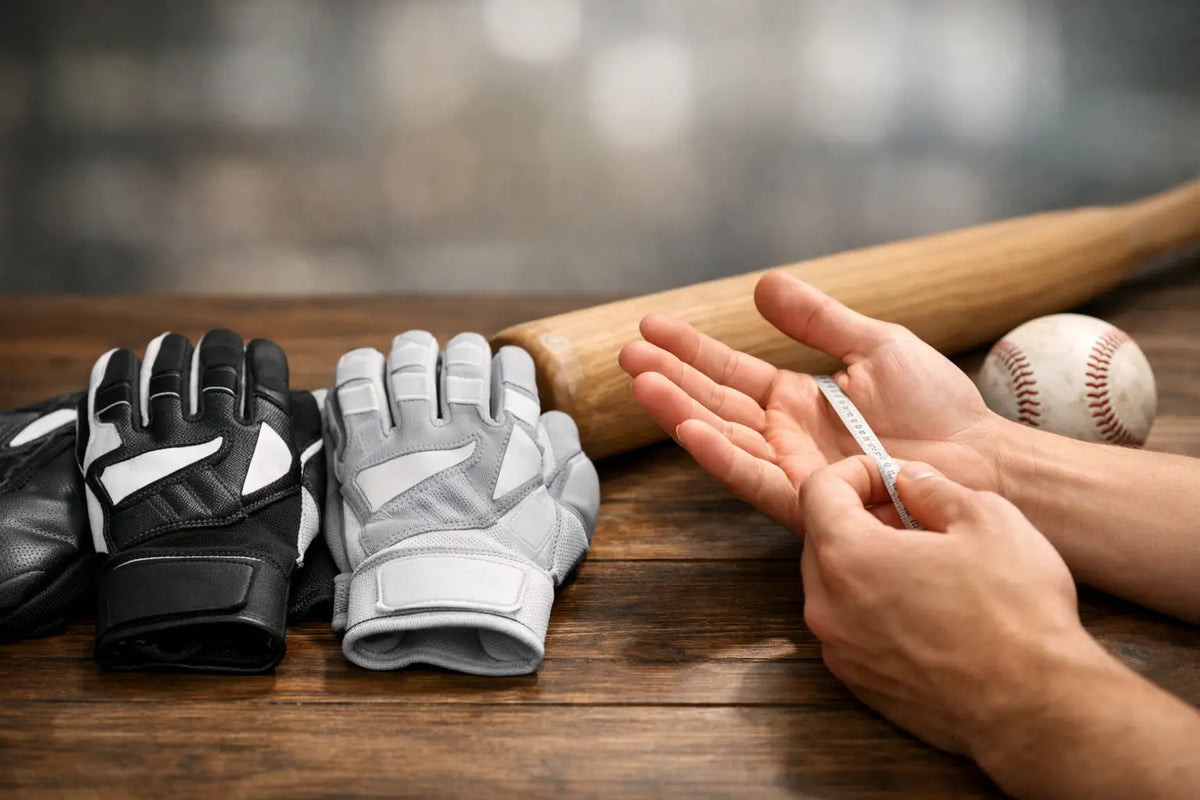
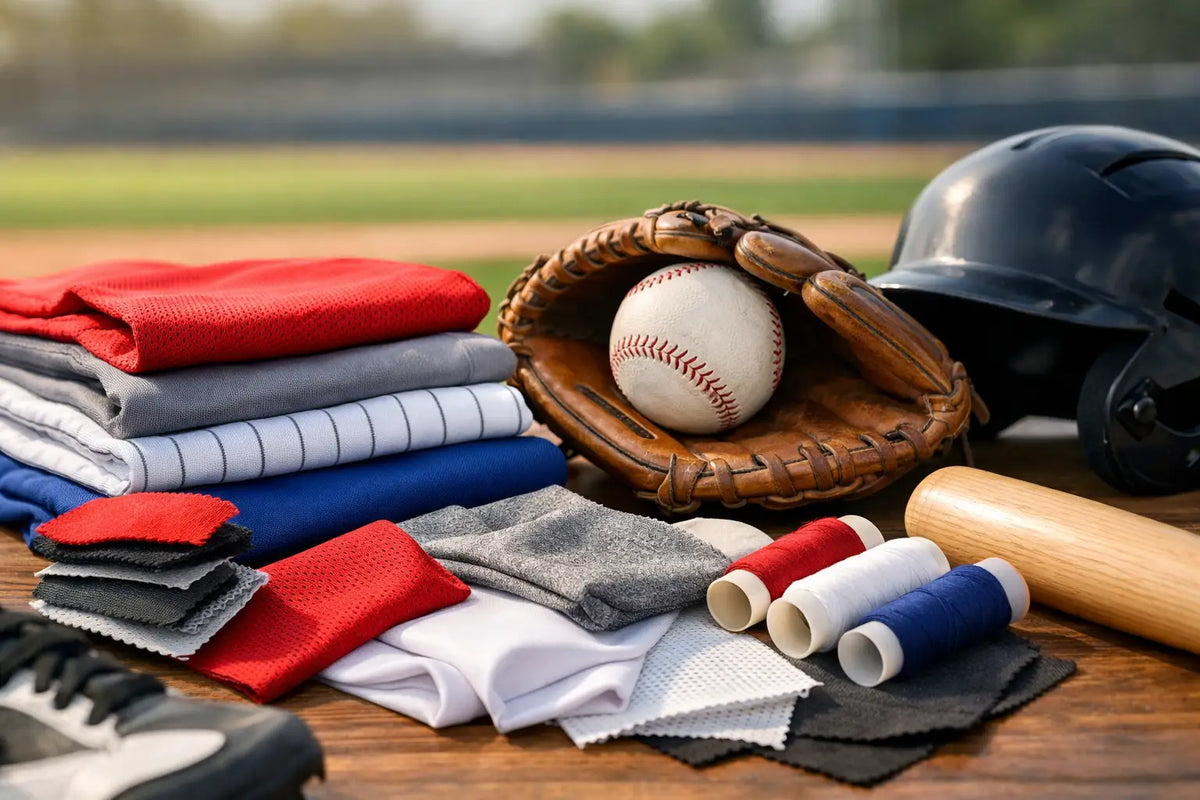
A batting glove usually tells on itself before the season does. The palm gets slick, the thumb starts thinning out, the strap loses its hold, and suddenly a glove that looked sharp in March feels cooked by midseason. If you are comparing durable batting glove materials, the real question is not just what looks good out of the package. It is what keeps performing through cage work, game swings, heat, sweat, and constant friction on the bat.
That matters for every kind of player. Youth players need gear that survives repetition. High school players need gloves that stay reliable through practices, doubleheaders, and travel ball weekends. Parents want value, but not at the expense of feel. And serious hitters know the truth - if the material breaks down fast, confidence goes with it.
What durable batting glove materials actually do
Durability is not just about stopping rips. A strong batting glove has to keep its shape, maintain grip, resist sweat damage, and stay comfortable after repeated use. Some materials are tough but stiff. Others feel elite on day one but wear out fast if they are too thin or too soft.
The best glove materials balance four things at once: abrasion resistance, flexibility, moisture management, and fit retention. Miss one of those, and the glove may still fail early. A palm that grips well but gets slick with sweat is a problem. A backhand material that stretches too much can make the whole glove feel loose after a few weeks.
That is why material choice matters more than flashy design. Good style is part of the game, but performance has to back it up.
Durable batting glove materials in the palm
The palm takes the punishment. It absorbs friction from the handle, pressure from repeated swings, and the constant rubbing that comes with batting practice. If you want gloves that last, start there.
Cabretta leather
Cabretta leather has a strong reputation for a reason. It feels soft, premium, and close to the bat, which is why so many players love it. It can also be durable, but only if the leather quality is high and the glove is built with enough structure.
The trade-off is simple. Cabretta gives excellent feel and comfort, but very thin versions can wear through faster for players who hit a lot or grip the bat hard. If you are a heavy cage hitter, cabretta can still work, but you should expect that ultra-soft palms may sacrifice some lifespan for that game-ready feel.
Synthetic leather
Synthetic leather has come a long way. The better versions are more resistant to moisture, often easier to clean, and less likely to stiffen up after sweat and heat. For players who train often, synthetic palms can be a smart durability play.
The catch is feel. Some synthetic materials do not give the same natural softness or broken-in touch as premium leather. But if the build is good, they can offer a strong mix of grip, structure, and long-term value. For youth players and high-volume use, this material often makes sense.
Reinforced palm zones
Sometimes durability is less about the base material and more about where the glove is strengthened. Reinforced patches in high-wear areas, especially around the lower palm and thumb, can extend glove life without making the entire palm bulky.
That matters because most batting gloves do not wear evenly. Players usually burn through the same pressure points over and over. Reinforcement in the right places can keep a glove in the lineup longer.
Backhand materials matter more than most players think
A lot of players focus only on the palm, but the back of the glove plays a big role in durability too. If that material stretches out, cracks, or traps too much moisture, the whole glove starts to feel sloppy.
Mesh and stretch fabric
Mesh panels and stretch fabrics help with breathability and flexibility. They keep the glove lighter and more comfortable in hot weather. That is a win, especially in long tournaments and summer training.
Still, not all mesh is built for abuse. Low-grade stretch material can fray, lose its snap, or start separating near seams. Better versions use tightly woven performance fabric that flexes without turning loose after repeated use. If a glove feels overly thin on the backhand, that comfort may come with a shorter shelf life.
Neoprene and compression-style materials
Some gloves use neoprene or similar performance fabrics around the knuckles or wrist. These materials can add a secure, athletic fit and handle sweat well. They also tend to keep shape better than cheaper elastic fabrics.
The downside is heat. In cooler conditions, this is not much of an issue. In the middle of summer, heavier backhand materials can feel warmer than mesh-heavy designs. It depends on what the player values more - locked-in fit or maximum airflow.
Stitching, overlays, and wrist straps decide how long gloves stay game-ready
Even the best durable batting glove materials can fail if the construction is weak. That is where stitching and support materials matter.
Double stitching in high-stress areas usually gives better longevity than single-line construction. Clean seams around the thumb and palm are especially important because those spots see repeated stress every swing. Loose thread is often the first warning sign that a glove is on the way out.
Overlays also matter. A glove with well-placed synthetic or leather overlays can protect flex points without killing mobility. Too much overlay can make the glove feel stiff. Too little can leave high-contact zones exposed.
Then there is the wrist strap. This gets overlooked, but it should not. A glove can still have a decent palm and backhand, but if the strap loses hold, the fit falls apart. Strong hook-and-loop closure, solid stitching at the wrist, and material that does not curl up after sweat all add to real durability.
Which materials hold up best for different players
There is no single best answer for every hitter. The right choice depends on how often you train, how much feel you want, and how hard you are on your gear.
For youth players, synthetic leather palms with breathable but structured backhand material often make the most sense. They usually hold up well, handle sweat better, and give parents a better shot at getting a full season out of one pair.
For high school and travel ball players, the sweet spot is often a premium leather palm with reinforcement in key wear zones. That setup gives better bat feel while still offering enough toughness for regular use. If the glove also has quality mesh or compression fabric on the back, it can stay comfortable without losing shape too quickly.
For players who live in the cage, durability may need to come before softness. A slightly firmer palm material with strategic reinforcement can outlast an ultra-thin premium leather glove. It may not feel as luxurious at first, but it can keep delivering deeper into the season.
How to tell if a batting glove is built to last
You can learn a lot before the glove ever touches a bat. Press the palm and see if it feels too thin in obvious wear zones. Check how the thumb is stitched. Look at the seam transitions between palm and backhand. If those areas look weak, they usually are.
Pay attention to how the glove returns to shape after you flex it. Better materials bounce back. Cheaper ones stay creased or feel baggy fast. The wrist strap should feel secure, not flimsy. And if the glove already feels like it is hanging on by style alone, that is probably not your long-term option.
A good glove should look ready, but it should also feel ready. That is the difference.
Getting more life out of durable batting glove materials
Even strong materials can break down early if they are treated badly. Gloves stuffed in a bat bag after a sweaty game age fast. Leather dries out, synthetic surfaces get funky, and straps lose structure.
Let them air out after use. Do not leave them baking in a hot car. Rotate pairs if you hit constantly. And if one pair is your game glove, stop burning it out in every cage session. That simple move can make a premium glove last a lot longer.
The best gear is built for performance, but smart care keeps it there.
The material choice that usually wins
If you want the most balanced answer, look for a glove with a high-quality leather or advanced synthetic palm, reinforced wear zones, and a backhand that blends stretch with structure. That combination usually gives the best mix of comfort, grip, and staying power.
Softness alone is not enough. Breathability alone is not enough. Swag matters, but a glove earns its place by surviving the reps.
That is the standard. Pick materials that can handle the work, and your batting gloves will keep showing up with force when the season gets long.