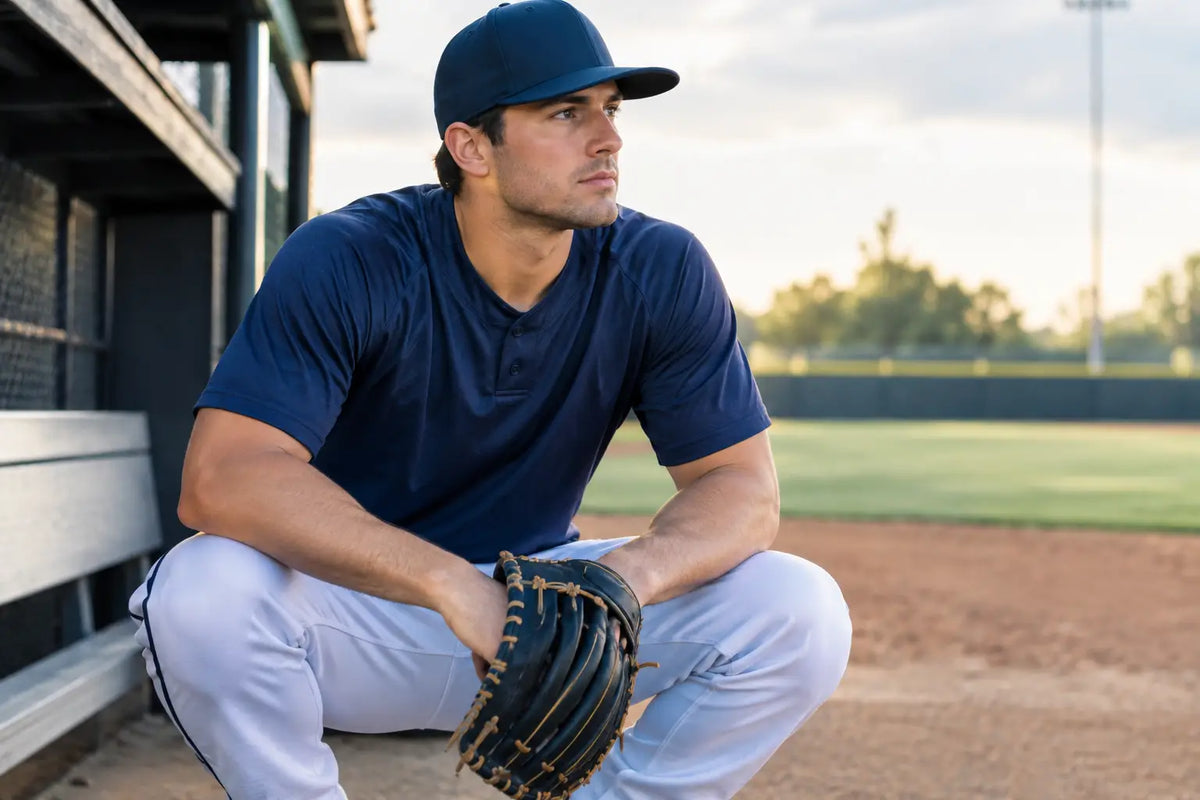
The first pitch is not the time to notice a tight sleeve, slick batting gloves, or a waistband that will not stay put. Game ready baseball apparel is built for the moments before, during, and after the play: the sprint to first, the headfirst slide, the long inning in the heat, and the final at-bat when focus matters most.
Looking sharp is part of the game. Feeling prepared is bigger. The right gear should give players confidence without getting in the way, whether they are learning to compete in youth ball, chasing a varsity spot, or taking weekend league seriously. #BeAForce starts with showing up ready.
What Game Ready Baseball Apparel Really Means
Game-ready does not mean wearing the most expensive item in the dugout. It means every piece has a job. Your shirt needs to move with your throwing motion. Your pants need to handle dirt, slides, and repeat washes. Your accessories need to stay secure when the game speeds up.
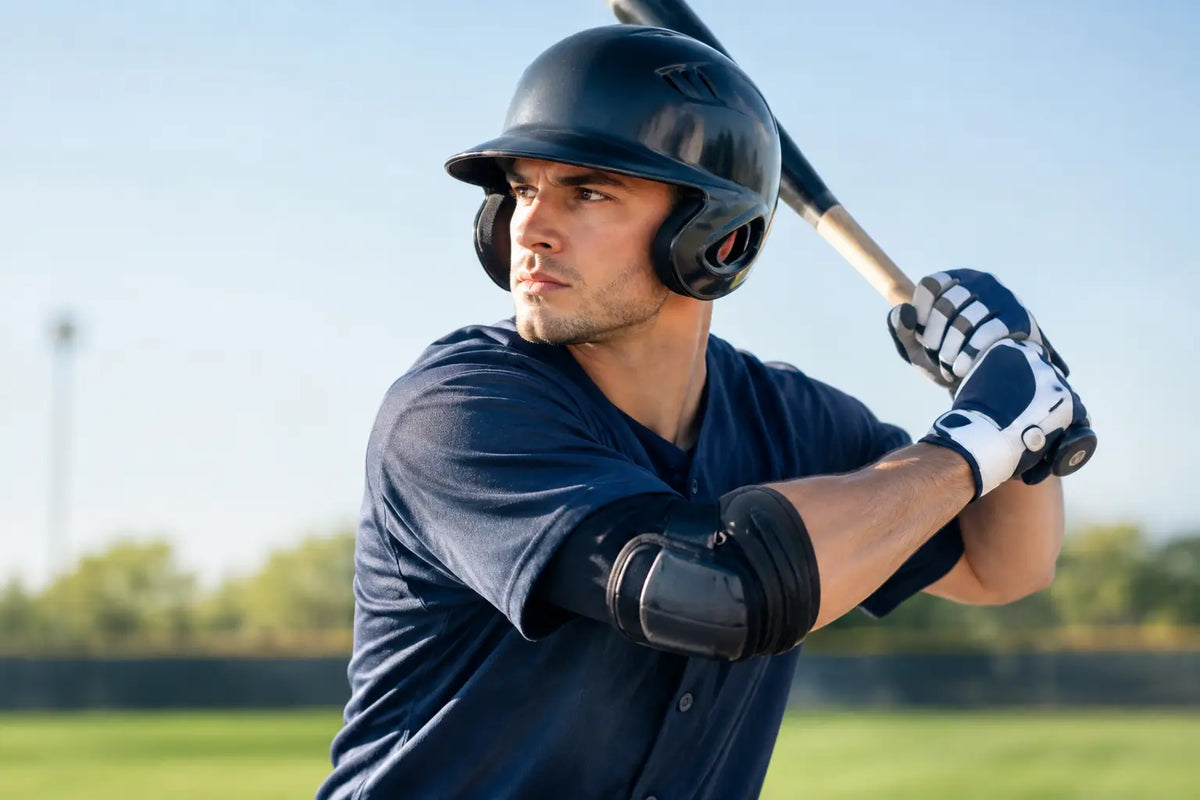
For baseball players, apparel sits close to performance gear. A good batting glove affects grip and feel. A dependable elbow guard can help a hitter stand in with more conviction. Compression layers can manage sweat and reduce distraction on cold or hot days. These are not fashion-only decisions. They shape how comfortable and confident a player feels between the lines.
Style still counts. A clean color combination, a bold glove design, and gear that fits properly send a message before the first swing. The goal is not to look like everyone else. It is to wear equipment and apparel that match the way you play: prepared, aggressive, and ready for work.
Build Your Baseball Apparel Around Movement
Baseball asks for quick, explosive movements, then long stretches of patience. That combination changes what players should wear. Loose gear can bunch up during a slide or interfere with a swing. Gear that is too tight can limit a throw, make a catcher uncomfortable behind the plate, or become distracting over a doubleheader.
Start with the fit. Athletic apparel should sit close enough to move with the body but not so close that it restricts the shoulders, hips, or knees. Test a top by taking a few practice swings and reaching through a throwing motion. Test pants by squatting, taking a long stride, and moving laterally like you are fielding a ground ball.
Fabric matters just as much. Lightweight performance materials help manage sweat during summer tournaments, while a compression layer or performance hoodie can keep muscles warm during early-season practices. There is a trade-off: ultra-light fabric may feel great in heat but can be less durable against repeated slides. Players who live in the dirt should prioritize reinforced areas and fabrics that hold up to hard use.
Choose Layers for the Conditions
A game can start chilly and finish under full sun. Smart layers keep players from being caught off guard. A moisture-wicking base layer works under a jersey without adding bulk. A fitted long-sleeve top is useful for colder practices, batting cage work, and pregame warmups. Keep outer layers easy to remove so the player can adjust without losing focus.
Avoid bulky sweatshirts during active play unless the weather demands them. They can restrict the swing and hold moisture once the game gets moving. Warm up in comfort, then compete in gear designed for baseball movement.
Protection Is Part of the Uniform
Baseball apparel is not limited to shirts and pants. The pieces that protect hands, elbows, and other high-impact areas belong in the same game-ready setup. The best protective gear feels secure, stays where it should, and allows the athlete to play without second-guessing it.
Batting gloves are a clear example. They need enough tack and padding to support a controlled grip, especially when hands are sweaty or the handle vibrates on contact. But too much bulk can reduce feel. Hitters who value direct barrel control may prefer a thinner palm, while players who regularly face higher velocity may want more protection through the hand.
Elbow guards are equally personal. A hitter who crowds the plate or faces serious pitching needs reliable coverage. The guard should stay locked in through a full swing, not shift after one practice cut. It should also fit the hitter's lead arm cleanly, because a guard that pinches or slides can become its own distraction.
The same rule applies across the bag: wear protection that supports your game, not gear that makes you feel stiff. Try it during batting practice before trusting it in a close game.
Match Apparel to Your Position and Routine
Every player needs a dependable foundation, but position and schedule should influence the final setup. Infielders often need flexible pants and a low-profile feel because they are constantly getting down, moving laterally, and handling quick hops. Outfielders may prioritize breathable layers for long innings in the sun. Catchers need apparel that works under protective equipment without bunching at the shoulders, waist, or knees.
Pitchers should pay close attention to comfort and consistency. A sleeve, undershirt, or waistband that feels different every inning can pull attention away from mechanics. Choose pieces that stay put and avoid anything that makes the throwing arm feel restricted.
For players with tournament weekends, durability becomes non-negotiable. One pair of game pants and one shirt may be enough for a short week, but multiple games require rotation. Bring an extra performance top, spare socks, and a backup pair of batting gloves. Sweat, rain, dirt, and a torn seam should never be the reason a player feels unprepared.
Keep the Look Clean Without Sacrificing Performance
Great baseball style is not complicated. Start with a consistent base: uniform colors, clean socks, and apparel that fits. Then add personality through the pieces that make sense for your game, such as batting gloves, wrist accessories, or protective gear with a strong design.
Do not chase a look that fights the uniform or becomes a maintenance project. White gear can look elite, but it demands care and can show every slide. Darker colors hide dirt better and often work well for practice, travel, and long weekends. Neither is automatically better. Pick what you will actually wear with confidence and maintain between games.
Parents buying for younger players can use the same approach. Prioritize fit, comfort, and durability first. Young athletes grow quickly, so avoid sizing up so far that gear hangs loose or shifts during play. A little room to grow is fine. A uniform that interferes with movement is not.
A Simple Pre-Game Gear Check
The best time to find a problem is before leaving for the field. A fast gear check makes game day calmer and keeps attention where it belongs. Make sure apparel is clean and dry, batting gloves are packed, protective gear fits, and weather layers are ready if temperatures change.
Players should also check the small details: tied laces, secure belts, no loose seams, and no gear left in yesterday's bag. This routine takes minutes, but it creates the kind of confidence that shows up in the first inning.
Game-ready baseball apparel should never ask for attention once the game begins. It should move, protect, and represent the player wearing it. Put on gear that feels right, take the field with purpose, and let your performance do the talking.