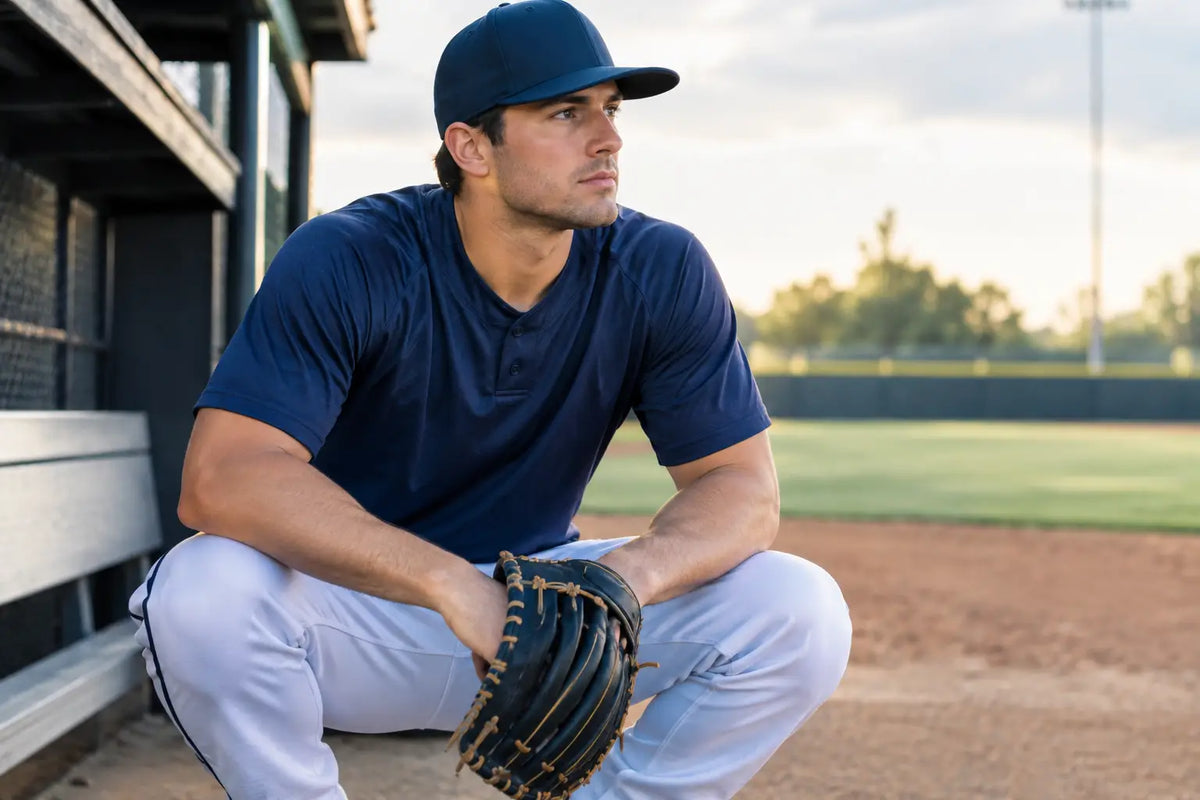
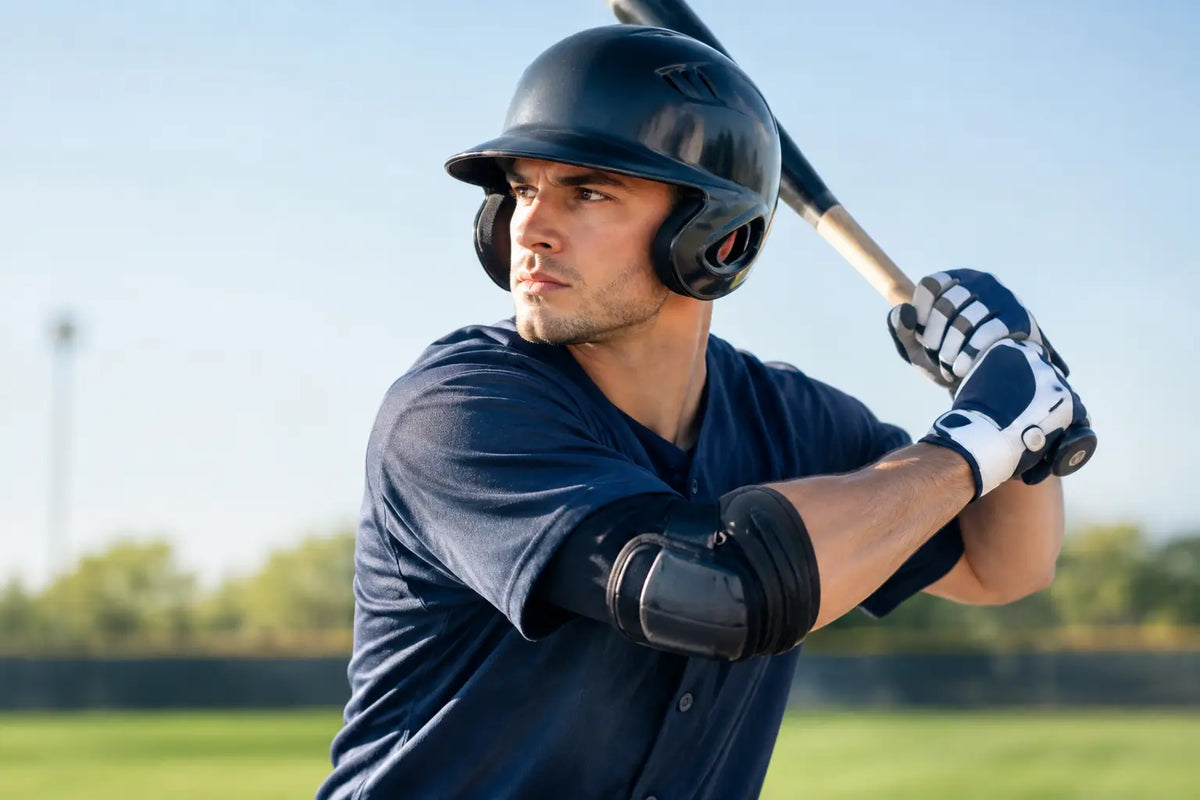
A hard inside pitch, a late slide into second, a bad-hop grounder - baseball gives players plenty of chances to get tested. Protective gear is not about playing scared. It is about stepping into the box, attacking the basepath, and making the next play with full confidence.
The right gear takes away distractions. When your hands are protected, your elbow guard stays locked in, and your equipment fits the way it should, you can focus on timing, instincts, and competing. That is the difference between hoping you are ready and knowing you are ready.
Protective Gear Is Part of Your Game Plan
Baseball is a game of split seconds. A pitcher has the ball in hand, a runner breaks, a ball comes off the bat hard, and there is no time to hesitate because something feels loose or uncomfortable. Every piece of protection should help you stay aggressive without getting in your way.
That means fit matters just as much as coverage. Gear that is too big can shift at the wrong moment. Gear that is too tight can limit your swing, throw, or movement around the field. A player should feel protected, not wrapped up.
There is also a difference between protection for practice and protection for game day. In the cage, repeated swings and machine pitches can punish your hands and elbows. In games, you need gear that can handle unpredictable contact while staying light enough to move naturally. The goal is not to wear more equipment than necessary. The goal is to wear the right equipment for your role, your level, and the way you play.
Start With the Contact Zones
The smartest way to choose baseball protection is to think about where contact happens. Hitters need confidence against inside pitches. Infielders need secure hands for hard-hit balls. Catchers deal with impact on nearly every pitch. Base runners need to be ready for slides, tags, and collisions around the bag.
A batting glove is one of the first pieces many players reach for, and for good reason. It helps create a more secure grip while reducing the sting and friction that can build up over a long practice or doubleheader. Look for a palm that feels durable without becoming bulky. The back of the hand should flex easily, especially if you want a natural feel on the bat.
For hitters, elbow guards add another layer of confidence against pitches that run inside. A good guard should cover the elbow and surrounding area without making your lead arm feel stiff. If it rotates during a practice swing, it is not dialed in yet. Adjust the straps, check the placement, and take a few full swings before you step into live pitching.
Some players also use hand guards or wrist protection, especially if they have been hit before or face high velocity regularly. That choice depends on comfort and league rules. Extra coverage can be a smart move, but it should never change your grip or make the bat feel disconnected from your hands.
Fit Beats Flash Every Time
Style belongs in baseball. Clean colors, bold details, and gear that matches your energy can make you feel ready to compete. But the toughest-looking piece in the dugout is useless if it slides, pinches, or distracts you during an at-bat.
Before buying protective gear, measure when sizing information is available and think honestly about how you play. Youth players often need room to grow, but buying far too large creates a safety problem. Parents should avoid the temptation to size up several steps just to get another season out of a guard or glove. A secure fit protects better and helps young players build better habits.
For older players, test movement. Take dry swings. Bend your arm. Get into a fielding position. If a guard digs into your skin or a glove bunches in the palm, do not assume it will break in perfectly later. Some materials soften with use, but poor sizing rarely becomes a great fit.
Straps deserve attention, too. Hook-and-loop closures make it easy to adjust quickly, while elastic components can feel streamlined and flexible. Neither is automatically better. Players who want a locked-in, adjustable fit may prefer a strong strap system. Players who hate extra bulk may lean toward a more minimal build. Your gear should match your routine, not someone else’s.
Choose Protection for Your Position
Every player needs a baseline of dependable equipment, but position changes the equation. A middle infielder may prioritize a secure fielding glove and batting gloves that maintain feel. A corner infielder might want extra confidence for hot shots and hard throws across the diamond. Outfielders need mobility first, though batting protection still matters when it is their turn at the plate.
Catchers have the biggest protection checklist because they work closest to every pitch. A properly fitted helmet, chest protector, shin guards, and cup are non-negotiable. Catcher’s gear should allow a player to block, throw, and get up quickly. Heavy equipment that drains energy by the fifth inning is not a win, even if it offers plenty of coverage.
Pitchers need to think differently. Their priority is a free, repeatable delivery. Anything that interferes with arm action, grip, or balance can become a problem. Pitchers still need protective choices at the plate and during fielding drills, but they should never sacrifice their throwing motion for gear that is not designed for it.
Base runners should also prepare for the way they play. If you are aggressive on the bases, sliding protection can help you attack bags with less hesitation. Know your league’s rules before adding any accessory. High school, travel ball, and youth organizations can have different requirements for equipment, colors, and approved designs.
Care Makes Protective Gear Work Longer
Protection does not stop at checkout. Sweat, dirt, and repeated use can wear down materials faster than players expect. A batting glove left damp in the bottom of a bag can get stiff, smell rough, and lose its feel. An elbow guard covered in dried dirt may not sit as securely against the arm.
After practice or games, air out your gear before packing it away. Wipe down hard surfaces with a soft cloth and follow the product care instructions for anything that needs deeper cleaning. Avoid tossing guards into extreme heat, such as a car trunk on a summer afternoon, because high temperatures can weaken adhesives, warp materials, and shorten the life of elastic components.
Check your equipment regularly. Look for cracked shells, worn straps, loose stitching, flattened padding, or closures that no longer hold. Small damage has a habit of becoming a big problem during the wrong inning. Replace gear when it cannot deliver the fit and coverage it was built to provide.
Build Confidence, Not Clutter
There is no prize for carrying the heaviest equipment bag. The best setup is the one that gives you confidence in the moments that matter. Start with the essentials for your position, then add protection based on real needs: pitch speed, playing surface, recent injuries, practice volume, and league rules.
For a young player, that might mean well-fitting batting gloves and a reliable elbow guard before anything else. For a catcher, it means making sure every major piece is sized correctly and ready for repeated impact. For a high school hitter facing serious velocity, it may mean adding targeted protection that lets them stay in the box and compete inside.
Great baseball gear should bring force, not hesitation. Wear what helps you move freely, play hard, and stay locked on the next pitch. When the game gets fast, your preparation should already be doing its job. #BeAForce.