A fastball riding inside changes your thinking in a hurry. One pitch off the back elbow can leave a hitter sore, hesitant, and a little less aggressive the next time they step in. That is why players and parents keep asking the same thing: are elbow guards worth it?
For a lot of baseball players, yes. Not because every hitter needs to suit up in every piece of gear available, but because the right elbow guard can do two big jobs at once. It protects against painful contact, and it helps a hitter stay confident enough to own the box. In baseball, confidence is not extra. It is part of performance.
Are elbow guards worth it in real game situations?
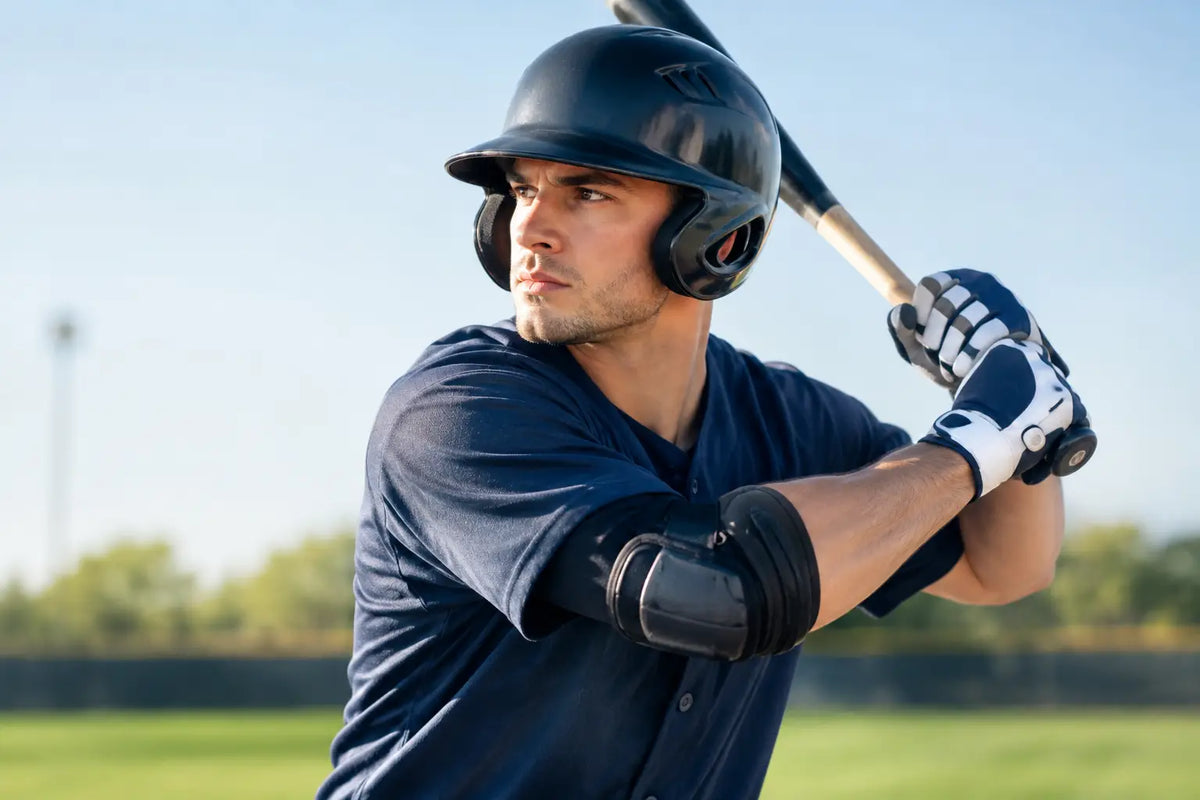
They are when the risk is real, and in baseball, it usually is. Hitters deal with inside pitches, bad hops on bunts, crowded plate appearances, and pitchers who throw hard without perfect command. An elbow guard gives you a layer between bone and baseball. That matters whether you are a youth player facing inconsistent control or a high school hitter seeing better velocity.
The value is not only about avoiding a bruise. A pitch off the elbow can affect swings for days. Some players keep playing, but they stop turning aggressively, bail on inside heat, or get jumpy when the ball comes up and in. Protection helps limit that spiral. If a guard lets you stay locked in instead of flinching, it is doing more than blocking impact.
That said, worth it depends on role, level, and approach. A player who rarely hits live pitching and only plays casually may not feel the need. A serious game hitter who sees regular pitching almost always has a stronger case.
What an elbow guard actually does for a hitter
The obvious benefit is impact protection. Elbows do not have much natural padding, and getting hit there hurts. A good guard spreads force and reduces direct contact on a small area. That can be the difference between a quick sting and a lingering problem.
The less obvious benefit is mental. Hitters who trust their gear are more willing to stay in on inside pitches. They crowd the plate with more conviction. They do not give away part of the strike zone because they are worried about getting clipped. That can change at-bats.
There is also a practical reason players like them. Elbow guards are usually lighter and less restrictive than people expect. If the fit is right, they should feel secure without turning your swing into a mechanical project. Good gear should protect you without making you feel armored up in a bad way.
Who gets the most value from elbow guards?
Players who stand close to the plate are near the top of the list. If your hitting style is built on covering the outer half by starting closer in, you naturally put yourself in more danger against inside pitches. Protection makes that approach easier to commit to.
Youth and teen players also benefit. Not because they are weaker, but because younger pitching can be unpredictable. Even at lower velocities, a baseball to the elbow is no joke. Parents looking for smart protection usually get more value from gear that addresses common game contact than from flashy extras.
High school players and travel ball hitters are another clear fit. Velocity climbs, command improves in some cases and disappears in others, and the competition gets more physical. At that level, elbow guards stop feeling optional for many players. They become part of being ready.
They also make sense for hitters coming back from a previous bruise or fear of inside pitching. Sometimes protection is not about style or trend. It is about helping a player reset mentally and attack again.
When elbow guards may not be worth it
Not every player needs one right now. If a player is brand new, mostly doing tee work, or rarely facing live pitching, the urgency is lower. If the guard fits poorly, slips during swings, or feels bulky enough to distract from mechanics, it can create more annoyance than benefit.
There is also a difference between useful protection and gear overload. Some players start adding accessories because they look game-ready, not because those accessories solve a real problem. That can backfire. Baseball gear should earn its spot.
If a player is uncomfortable in an elbow guard and never sees meaningful live pitching, it may not be the first purchase to prioritize. Batting gloves, proper cleats, and core training gear may have a more immediate impact. The point is not to wear everything. The point is to wear what helps you play stronger.
Protection versus mobility
This is where the decision gets real. The best elbow guard is protective enough to matter and low-profile enough to disappear once the at-bat starts. If it restricts your load, pinches your arm, or shifts every swing, it is not helping.
Players should pay attention to range of motion during dry swings and live reps. Can you get to launch position comfortably? Does the guard stay put through full rotation? Can you wear it for multiple innings without wanting to rip it off? Those details decide whether a piece of gear becomes part of your routine or ends up at the bottom of your bag.
A lot of hitters assume more bulk means more safety. Not always. Smart design and secure fit matter more than oversized padding. You want coverage where contact happens, not extra material that makes you late.
Confidence is part of the answer
Baseball is a reaction sport, but it is also a trust sport. Hitters trust their load, their hands, their timing, and their plan. Gear fits into that same equation. If an elbow guard helps a player stand taller, stay in on tough pitches, and attack without second-guessing, then yes, it is worth it.
Some players need the physical protection most. Others need the mental freedom it gives them. Both are legitimate. Nobody gets bonus points for being unprotected.
This matters even more for young hitters. One painful hit-by-pitch can change behavior fast. Players start drifting off the plate, pulling out early, or freezing on inside strikes. A guard can help stop that pattern before it becomes part of their swing identity.
What to look for before buying one
Start with fit. The guard should sit securely over the area most likely to take contact and stay there while you move. If it slides, rotates, or needs constant adjustment, it is going to be a problem in games.
Material matters too. You want a balance of durable outer protection and inner comfort. Hard enough to absorb impact, comfortable enough to wear through a full session. Breathability helps more than people think, especially during summer games and long tournament days.
Straps and closure design can make or break the experience. If getting it on feels like a chore, players may stop using it. If it takes too long to adjust between innings or batting practice rounds, it becomes one more hassle. Good gear should feel easy to trust.
Style is not the top priority, but it is not irrelevant either. Players want gear that performs and looks sharp. If a guard matches the athlete's feel on the field and they actually want to wear it, that matters. Confidence has a visual side too. At Vi Athletics, that mix of quality, performance, and swag is part of the whole point.
So, are elbow guards worth it for baseball players?
For most active hitters, yes. Especially if they face live pitching regularly, crowd the plate, play competitive ball, or want extra confidence against inside heat. The protection is real, and the mental benefit is often bigger than expected.
But worth it does not mean automatic for every player in every situation. If the fit is bad or the player is not yet in game settings where the risk shows up, the value drops. Like any piece of baseball gear, it needs to match how you play.
The best test is simple. If a guard helps you step in, stay aggressive, and take your swing with no hesitation, it is earning its keep. Baseball rewards players who play free, and sometimes one smart piece of protection is what lets you do exactly that. #BeAForce.