A foul tip off the elbow will change your opinion on gear fast. The right protective setup is not about looking careful. It is about staying in the box, trusting your swing, and playing hard without flinching. That is what this protective baseball gear review is really about - finding protection that holds up when the game speeds up.
A lot of players buy gear for the highlight photo, then regret it by the third inning. The piece slides, pinches, traps heat, or feels so bulky that timing gets thrown off. Good protection should do the opposite. It should disappear once the pitch is on the way and show up only when you need it.
What a protective baseball gear review should actually measure
Not all protection solves the same problem. An elbow guard has a different job than a sliding mitt, and batting gloves with extra padding are not a substitute for true impact protection. That sounds obvious, but plenty of players still stack random gear without thinking about what kind of contact they are preparing for.
A useful review starts with three standards: impact absorption, secure fit, and playability. Impact absorption is simple - does it take the sting out of direct contact? Secure fit matters just as much because even good padding fails if it rotates at contact. Playability is the separator between gear that gets worn every game and gear that stays in the bag. If protection affects your mechanics, players stop trusting it.
Style matters too, just not in the shallow way people assume. When gear looks clean and feels like part of your identity, players wear it with confidence. That matters for younger athletes especially. The best pieces protect, perform, and still bring some swag to the field.
Elbow guards: the most common game changer
If one category earns its keep fastest, it is the elbow guard. Hit by pitch rates are not just a varsity problem. Youth and travel players see enough wild inside pitches that arm protection becomes less of a luxury and more of a smart move.
The best elbow guards strike a narrow balance. They need enough structure to spread force across the area, but not so much bulk that the lead arm feels locked up. A guard that is too stiff can make hitters late. One that is too soft may be comfortable but underwhelming when it takes a real shot.
Look closely at strap design. Single-strap models can work for younger players or lighter use, but harder throwers expose weak retention fast. Multi-point or more contoured designs usually stay in place better during a full swing. Sweat management also matters more than people think. If the inside lining gets slick, the guard starts drifting.
For contact hitters who crowd the plate, an elbow guard is close to essential. For players who stand off the dish and rarely get jammed, it may be less urgent. Still, if confidence at the plate rises the moment the guard goes on, that alone has value.
Hand and wrist protection: where comfort can make or break it
Hand protection gets tricky because the hand needs freedom. Restrict the top hand too much and bat control suffers. Leave it too exposed and one pitch to the fingers can end the day.
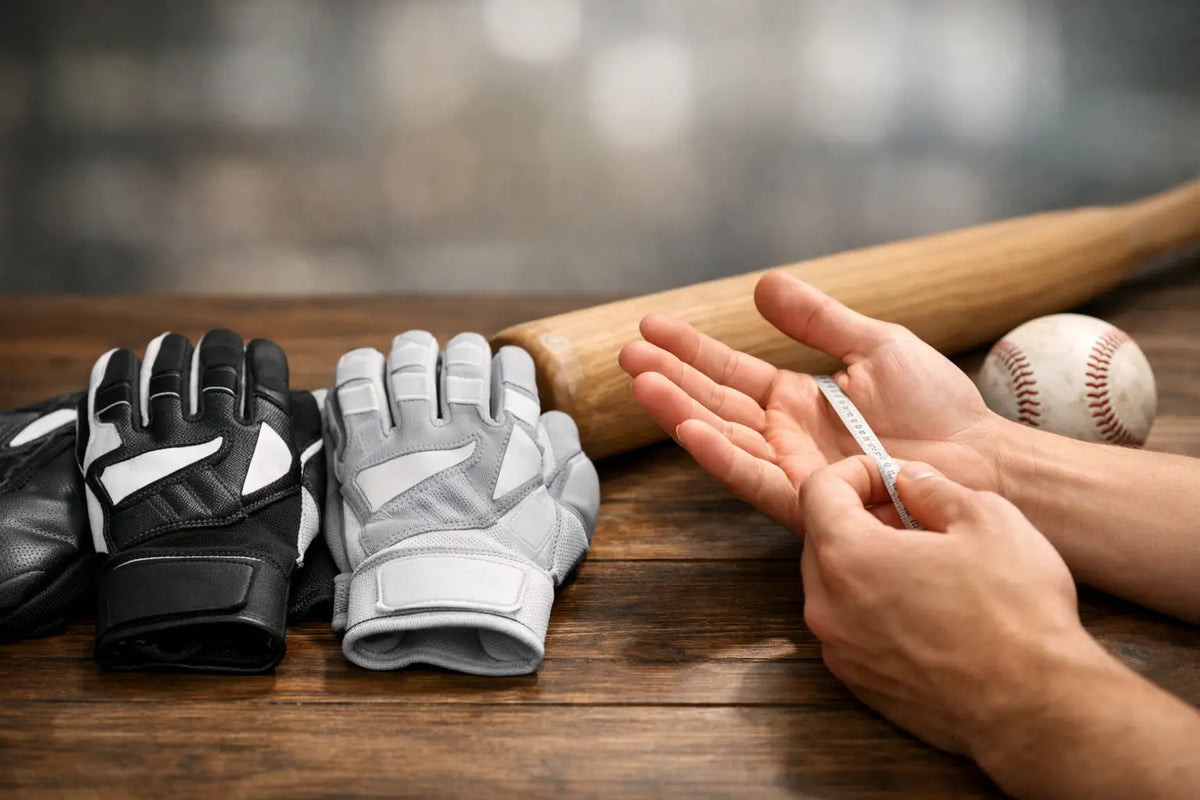
Protective batting accessories work best when they shield vulnerable areas without turning the hand into a stiff block. Some players want added coverage over the back of the hand and wrist. Others only need quality batting gloves with smart padding and dependable grip. The level depends on competition, pitch speed, and how often a player gets jammed inside.
This is also where sizing mistakes show up fast. Parents often buy room to grow, but oversized hand protection is a bad bet. Loose material shifts, grip changes, and the player starts adjusting mid-at-bat. Better to buy the right size now than hope extra space works itself out later.
High quality materials matter here because repeated flexing breaks cheap gear down fast. Cracking, bunching, and palm wear usually show up before a full season is over if the build is weak. If the gear feels great on day one but loses shape after a month, it is not a win.
Protective baseball gear review for younger players
Youth players need a different lens. The goal is not to outfit them like big leaguers. The goal is to protect developing athletes with gear they will actually keep on.
For younger age groups, softer edges, simpler fastening, and lighter weight often beat max-level coverage. Kids are more likely to reject gear that feels complicated or heavy. If it takes too long to put on, they will rush it. If it feels awkward in drills, they will take it off the first chance they get.
Parents should also watch how the player moves before and after putting the gear on. Does the swing tighten up? Does the player keep tugging at the strap? Does confidence improve or disappear? Those are stronger indicators than packaging claims.
A younger athlete who is nervous at the plate may benefit more from well-fitted moderate protection than from the thickest gear available. Protection should build confidence, not announce fear.
Sliding mitts and lower-hand protection
Sliding mitts are now common, but they are not automatic for every player. For aggressive base runners, they make sense. Fingers get exposed in headfirst slides, especially when the hand catches a bag edge or gets stepped on during a close play.
The good sliding mitts protect the fingertips and top of the hand while keeping enough structure to maintain reach. If the mitt is too floppy, it does not protect well. If it is too rigid, it becomes awkward to wear and easy to ditch.
There is a trade-off here. Some players love the confidence boost and extra protection. Others find them distracting, especially if they are only stealing occasionally. For younger players, team instruction matters. If coaches do not teach proper slide mechanics, a mitt helps, but it does not fix bad habits.
Catcher and pitcher considerations
Not every protective choice gets the same attention. Pitchers, for example, often focus on mechanics and forget comebackers are part of the game. Added confidence from a fielding-ready glove and protective accessories can matter, but the glove still has to stay responsive. Too much bulk or stiffness in any hand gear can interfere with ball transfer and feel.
Catchers live in another category entirely. Their gear takes repeated abuse, so durability becomes a bigger review point than flashy first impressions. Padding breakdown, hot spots, buckle reliability, and heat management are critical. Catcher protection also needs to survive volume. One hard inning tells you something. Forty games tell you the truth.
Fit is the difference between protective and performative
This is where a lot of gear wins online and loses on the field. It photographs well, sounds advanced, and checks every feature box, but the fit is off. Protection only works when it stays aligned with the body part it is supposed to cover.
That means contours matter. Straps matter. Shape matters. A flat piece of padding on a rounded joint is always fighting movement. Better gear follows the body and stays planted during full-speed action.
It also means players should test gear in motion, not just standing still. Swing with it. Throw with it. Get low in a fielding stance. Run a short sprint. If it shifts during those movements, it will shift during competition.
When more protection is not always better
There is a point where added coverage starts taking something away. Extra bulk can affect swing path, reduce range of motion, trap more heat, and create mental distraction. That does not mean lighter is always better. It means the best setup is the one that protects the specific risk without changing the way you play.
A power hitter facing upper-level velocity may want more arm and hand protection than a recreational outfielder who sees lower speeds a few times a week. A middle infielder who slides hard and often has different needs than a first baseman who rarely goes headfirst. Good gear choices are role-specific.
That is why the best protective baseball gear review is never just about what is toughest. It is about what matches your position, level, and style of play.
What players and parents should prioritize before buying
Start with the contact points that see the most risk. For most hitters, that means elbow and hand areas first. For active runners, it may include a sliding mitt. For catchers, durability and repeated-impact comfort should move to the top.
After that, focus on feel. If the gear is uncomfortable in the cage, it will not become comfortable under pressure. If it slips in sweat, that problem will only get worse in July. If the look gives the player an extra edge of confidence, that is a real benefit, not fluff.
Brands that understand baseball culture tend to get this better. Players want protection, but they also want gear that looks sharp, feels serious, and carries some force. That mix of performance and identity is why products from brands like Vi Athletics connect with athletes who want more than generic equipment.
The right protective gear should let a player attack the game, not tiptoe through it. Buy for real impact, real fit, and real confidence. If a piece helps you stay aggressive when the moment gets tense, it earned its spot in the bag.