A jammed inside fastball changes your swing real fast. So does one pitch off the elbow, a blistered palm in the third inning, or a hand sting that makes you late on everything after it. A smart baseball hitter protection guide is not about looking cautious. It is about staying dangerous in the box.
Good hitters want freedom, not bulk. Parents want protection that actually gets worn. Coaches want players available, confident, and ready for the next at-bat. That is the real balance - enough coverage to handle impact, enough comfort to keep your swing clean, and enough durability to survive a full season.
What baseball hitter protection really needs to do
Hitter protection has one job on paper: reduce the damage from repeated contact, friction, and direct impact. In real life, it has three jobs. It needs to protect, it needs to stay comfortable through heat and sweat, and it cannot mess with timing.
That last part gets ignored too often. If gear feels stiff, slides around, or adds pressure in the wrong spot, hitters start adjusting to the gear instead of attacking the pitch. Protection that looks great in the bag but feels distracting in the box is not a win.
The best setup usually covers three areas. Your hands need help with grip and friction. Your lead elbow or forearm may need impact protection, especially if you crowd the plate or face stronger pitching. And depending on age, skill level, and league speed, some hitters also benefit from lower-leg or wrist protection. Not every player needs the same combination.
Start with the hands
If you only invest in one part of your baseball hitter protection guide, start here. Your hands take constant abuse. Even when a pitch does not hit you, vibration from mishit balls, repeated cage work, and long practice sessions can wear down your grip and your confidence.
Batting gloves are about more than grip
A good pair of batting gloves helps reduce friction and gives hitters a more controlled feel on the handle. That sounds simple, but it matters late in games and deep into tournament weekends. When your palms get slick or your fingers start to tear up, bat control fades.
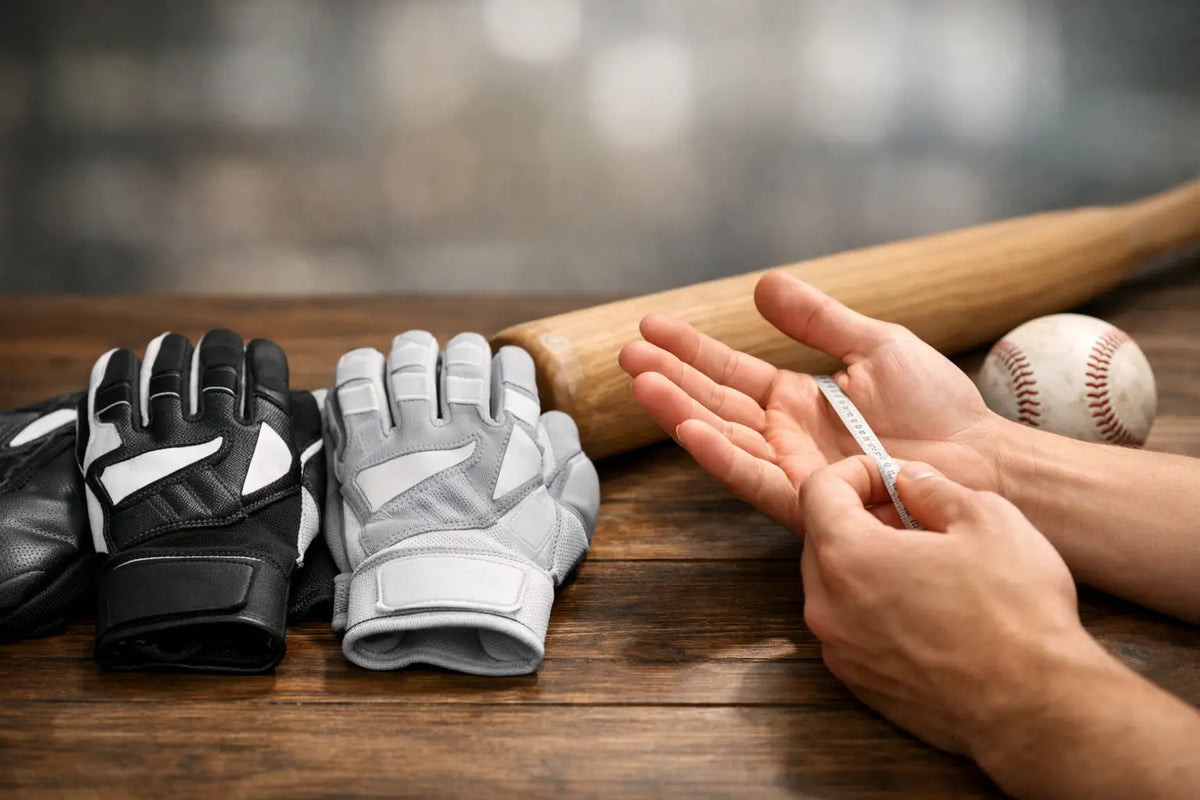
The fit is everything. Gloves that are too loose bunch up in the palm and make the handle feel unstable. Gloves that are too tight can restrict movement and wear out faster at the seams. You want a close, athletic fit that moves with the hand, not against it.
Material matters too. Some hitters want a soft, game-ready feel right away. Others want a sturdier glove that takes a little break-in but lasts longer. There is no universal answer. If you are a heavy cage hitter, durability may matter more than ultra-soft feel. If you are chasing maximum touch and comfort, feel may win.
When extra hand protection makes sense
Not every hitter needs additional hand guards, but some do. If you have already taken a few shots off the fingers, if your league velocity is jumping, or if you stand close enough to dare pitchers inside, extra coverage can be worth it.
The trade-off is mobility. Some hand protection options add security but slightly reduce natural feel on the bat. That is why fit and placement matter so much. The best protection is the kind you stop noticing after the first few swings.
Elbow and forearm guards are no longer optional for many hitters
A lot of hitters treat elbow guards like advanced gear until they get hit once and change their minds. The reality is simpler. If a pitch gets in on you, the lead arm is exposed. And once a hitter starts worrying about getting jammed or drilled, the swing changes before the ball even leaves the pitcher’s hand.
Why elbow protection helps confidence
Confidence is a performance tool. A hitter who trusts their protection can stay in against inside velocity, hold posture longer, and cover more of the plate. That does not mean players should lean into pitches or crowd recklessly. It means they can compete without flinching.
A solid elbow guard should stay locked in place without cutting off movement. If it shifts during swings, rotates during a sprint, or pinches at contact, it becomes a distraction. For younger players especially, easy on and off matters because complicated gear tends to end up at the bottom of the bag.
Forearm coverage can matter too, especially for hitters who turn slightly on inside pitches or face pitching machines regularly in training. Some players prefer a smaller guard for freedom. Others want longer coverage for peace of mind. It depends on mechanics, level of play, and comfort preferences.
Fit beats hype every time
The biggest mistake players make with protective gear is buying for appearance first and fit second. Swag matters. Looking sharp matters. But if the gear does not fit right, the performance part falls apart.
A proper fit should feel secure without forcing your body to compensate. Gloves should feel connected. Guards should feel anchored. Straps should stay put without needing constant adjustment between pitches.
For youth players, parents should expect fit to change during the season. A piece of gear that worked in March may feel tight or unstable by summer. That is not a product failure. That is growth. Checking fit regularly is part of keeping players protected.
Match protection to level of play
This is where any honest baseball hitter protection guide has to say it depends. A 10-year-old in recreational ball does not need the same setup as a varsity player seeing high-80s or a travel ball hitter living in the cage every week.
Younger players usually need comfort and simplicity first. If the gear is too technical or awkward, they will fight it. A dependable pair of batting gloves and a well-fitted elbow guard often covers the biggest needs.
Middle school and high school players usually need a more dialed-in setup. Pitch speeds increase. Repetition goes up. Players also start understanding what kind of feel they want at the plate. At that stage, protection should work like part of the uniform, not like emergency equipment.
Adult rec league hitters are a different case. Some want minimal gear because they prioritize natural feel. Others absolutely need more protection because they only play a few times a week and do not want one bruise ruining the next month. There is no tough-guy bonus for avoidable pain.
Comfort in heat, sweat, and long weekends
Protective gear gets tested hardest when conditions get ugly. Summer tournaments, back-to-back games, and long cage sessions expose bad materials fast. Gloves get slick. Guards trap sweat. Straps lose grip.
That is why breathability and moisture control matter more than many players think. Protection is not just about surviving one pitch. It is about staying functional through six innings, then doing it again an hour later.
Lighter gear often feels better in the heat, but very light gear can sometimes give up a bit of structure or durability. Heavier gear may feel more secure but less mobile. The sweet spot is different for every hitter. If you are choosing between two options, think about where and how often you actually play, not just how the gear feels for 30 seconds in your room.
Durability matters if you train like you mean it
Protective gear is easy to judge when it is new. The better test is whether it still performs after weeks of batting practice, sweat, dirt, and bag wear. Stitching, closure strength, palm wear, and padding recovery all matter.
This is especially true for players who train year-round. Cheap gear can look solid on day one and break down right when you start trusting it. A guard that shifts because the strap is worn out or gloves that lose structure after heavy cage use stop being assets.
That is where quality construction earns its keep. Vi Athletics speaks to players who want performance with style, but performance has to show up after repeated use, not just in product photos. Real hitter protection should hold its shape and its confidence.
How to build your setup without overdoing it
Most hitters do not need every protective accessory on the market. Start with what affects your game most. If your hands are getting torn up, begin with batting gloves. If inside pitches are making you flinch, add elbow or forearm protection. If you already know a certain area keeps getting exposed, solve that problem first.
Build from experience, not fear. You are trying to remove distractions, not create new ones. Every piece of gear should earn its spot by helping you swing freer, stay healthier, or compete with more confidence.
The best hitter protection setup is not the one with the most pieces. It is the one you trust when the count is full and the next pitch is coming hard inside. Wear gear that lets you stand in, stay loose, and take your best swing. That is how you protect the player and keep the force in the bat.