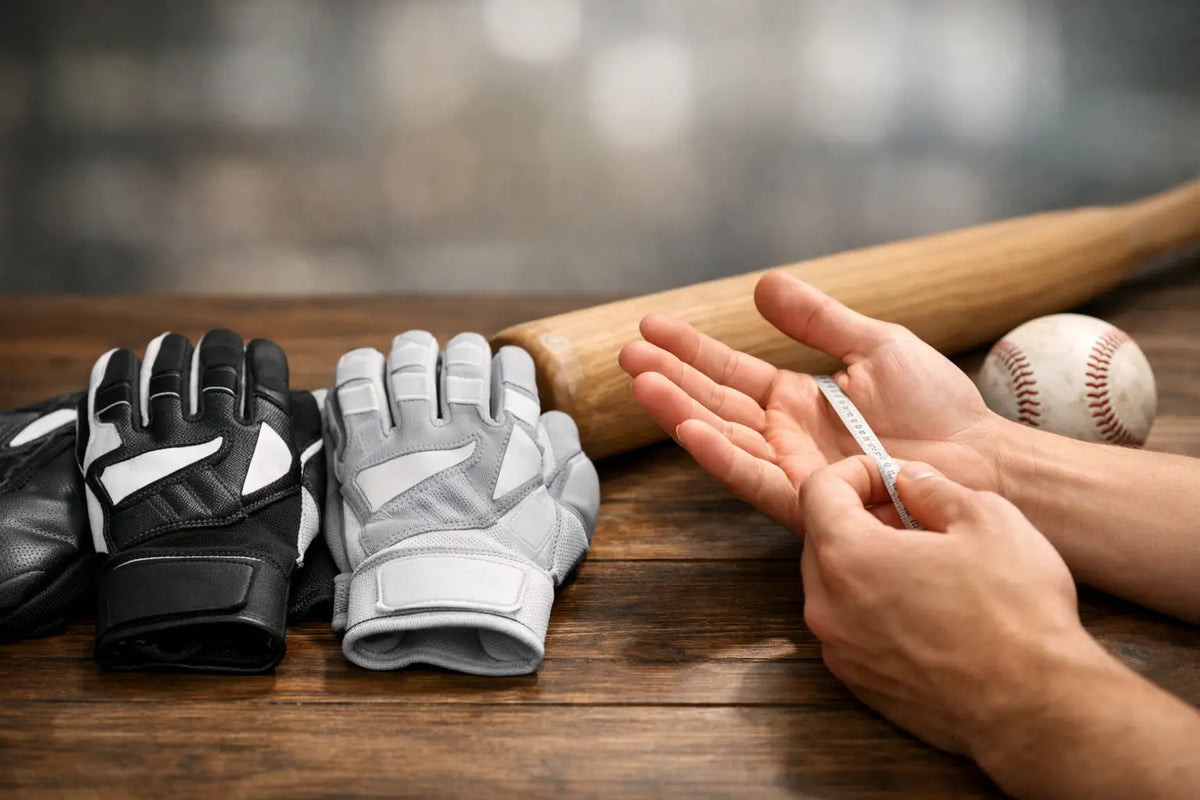
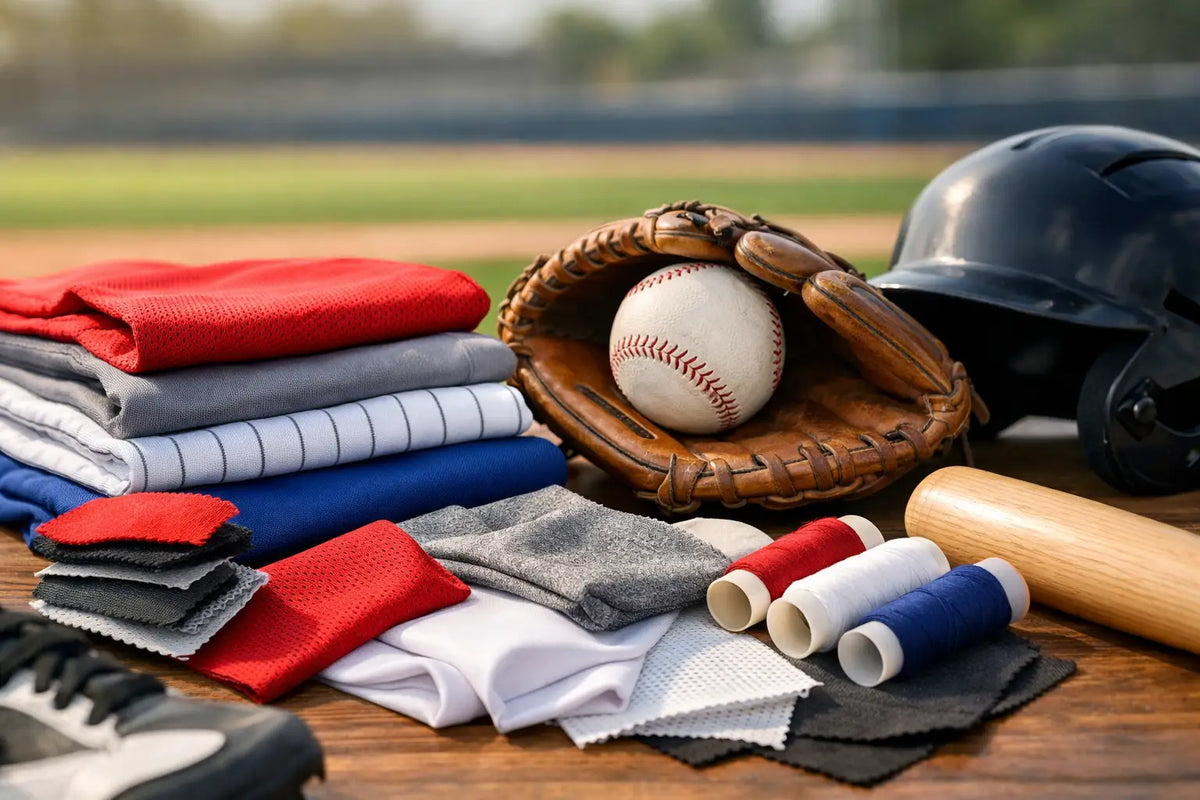
Pick up two bats that look almost the same, and they can still swing completely differently. That is why the question what is baseball bats made of matters more than most players think. The material changes the feel in your hands, the sound off contact, the sweet spot, the durability, and even what leagues let you use.
If you are shopping for a youth player, moving into high school ball, or just trying to understand why one bat feels hot and another feels heavy, start with the build. Bat material is not just a spec on a product page. It shapes performance.
What is baseball bats made of in modern baseball?
Most baseball bats are made from wood, aluminum alloy, composite materials, or a hybrid mix of alloy and composite. Each one brings a different balance of pop, weight distribution, barrel response, and lifespan.
Wood is the traditional choice and the standard at the pro level. Aluminum, often called alloy, is common in youth, middle school, and many amateur leagues because it tends to be durable and game-ready out of the wrapper. Composite bats use layered carbon-based materials to tune swing feel and barrel performance. Hybrid bats combine alloy barrels with composite handles, aiming to give players a little of both.
That sounds simple, but the trade-offs are real. There is no perfect bat material for every hitter.
Wood bats: classic feel, pure feedback
When people picture baseball, they usually picture wood. Major League players use wood bats, and for good reason. Wood gives direct feedback. If you barrel the ball, you feel it. If you miss the sweet spot, you feel that too.
The most common wood species are ash, maple, and birch. Ash has a lighter feel and more flex. Some hitters like that whip through the zone. Maple is denser and harder, which can create a solid, powerful feel on contact. Birch sits somewhere in the middle, blending some flex with harder surface performance.
For training, wood can sharpen a hitter fast. It forces cleaner contact and better barrel control. That is why plenty of serious players use wood in the cage even if their league games are played with metal or composite. The downside is durability. Wood bats can crack or break, especially if the ball hits the wrong part of the barrel or handle.
There is also less forgiveness. The sweet spot is usually smaller than what players get from non-wood options. For advanced hitters, that can be a good thing. For younger players still building confidence and mechanics, it can be tough.
Why some players still choose wood
Wood is not about hype. It is about honesty. You get a clean swing feel, authentic feedback, and a direct connection to the game. If a player wants to train with intent and feel every rep, wood makes sense.
Aluminum alloy bats: durable and ready to swing
If you have ever heard that sharp ping after a hard hit, you already know alloy bats. Aluminum and alloy bats are some of the most popular options in amateur baseball because they are durable, responsive, and usually ready to perform right away.
An alloy bat is made from a metal blend rather than pure aluminum. Manufacturers adjust that blend and wall thickness to tune weight, balance, and barrel response. Some alloy bats feel stiffer. Others are designed to flex a little more and reduce sting on mishits.
One of the biggest strengths of alloy is consistency. There is no break-in period like many composite bats need. You can unwrap it and take it straight into batting practice or a game. That matters for players who want instant performance and for parents who do not want to wait through dozens or hundreds of swings before a bat starts to feel its best.
Alloy also handles rough use well. In team settings, cage work, cold weather, and frequent travel, that toughness is a major advantage. It is not invincible, but it tends to hold up.
The trade-off is feel. Some hitters love the lively response and firm barrel. Others prefer a smoother or more dampened swing experience. Mishits can still sting, especially in lower-end models.
Composite bats: engineered for performance
Composite bats are made from layered carbon fiber style materials rather than solid metal or wood. That gives manufacturers more control over how the bat performs. They can fine-tune barrel flex, balance point, vibration control, and sweet spot size in ways that are harder to achieve with one-piece wood or metal builds.
That is why many composite bats feel smooth and explosive. They often have larger sweet spots and less sting on off-center contact. For some players, especially younger hitters or players focused on comfort and confidence, that can be a big deal.
Composite also allows for strong end-load or balanced designs without making the bat feel awkward. A contact hitter might want something easy to whip through the zone. A power hitter might want more mass behind the barrel. Composite construction can help shape both.
But there are trade-offs here too. Many composite bats need a break-in period before they perform at their best. They also tend to cost more. And in colder temperatures, some players are extra careful with them because performance materials can be more sensitive to harsh conditions.
Composite does not mean better for everyone
A lot of players hear the buzz around composite and assume it is the automatic upgrade. Not always. If you want a bat that is durable, immediate, and straightforward, alloy may be the better fit. Composite shines when swing feel, vibration control, and barrel tuning matter most.
Hybrid bats: mixing materials for a reason
Hybrid bats usually pair an alloy barrel with a composite handle. The idea is simple. Keep the pop and toughness of alloy in the barrel, then use the composite handle to reduce vibration and improve feel.
For many players, that mix hits a sweet spot. You get a more forgiving swing experience than a full alloy bat, but often more durability and instant use than a full composite model. That balance is why hybrids are so popular in competitive youth and high school baseball.
Still, hybrid bats are not automatically the answer. Connection points between materials can change swing feel. Some hitters love that. Others prefer the direct response of a one-piece bat.
What material is best for your level?
This is where league rules and player development start calling the shots. Youth players often use alloy or composite bats built to specific standards like USA Baseball or USSSA. High school and college players usually need BBCOR-certified bats, which are often alloy, composite, or hybrid.
Wood is required in pro baseball and common in wood bat leagues. It is also a strong training tool for serious hitters at almost any age.
The best material depends on three things - your league rules, your swing, and your priorities. If a player needs durability and a lower-maintenance option, alloy is strong. If they want comfort and a larger sweet spot, composite may be worth the price. If they want pure feedback and training value, wood still earns respect.
Performance is not just about the barrel
When players ask what is baseball bats made of, they are usually really asking what helps them hit better. Material matters, but so do length, drop weight, balance, barrel size, and feel through the zone.
A great bat on paper can still be wrong for a hitter if it feels too heavy, too light, too end-loaded, or too stiff. That is why smart players do not just chase hype. They match the bat to the swing.
A smaller player trying to improve bat speed may benefit from a lighter, balanced build. A stronger hitter who likes driving the ball might prefer more barrel mass. The material supports that profile, but it does not replace fit.
How to think about bat materials before you buy
Start with the rules. If your league does not allow a certain material or certification, the conversation is over before it starts. After that, think about how often the bat will be used, what the player values in swing feel, and how much durability matters.
For a player grinding through practices, cages, and games, toughness matters. For a hitter who hates hand sting, vibration control matters. For a serious athlete building real barrel accuracy, training with wood can sharpen everything.
That is the real answer to what is baseball bats made of. Baseball bats are made of different materials because hitters are different too. The right bat is not the one with the loudest claims. It is the one that fits your game, feels right in your hands, and helps you step in the box with confidence. Bring that energy to every swing, and let your gear match your force.