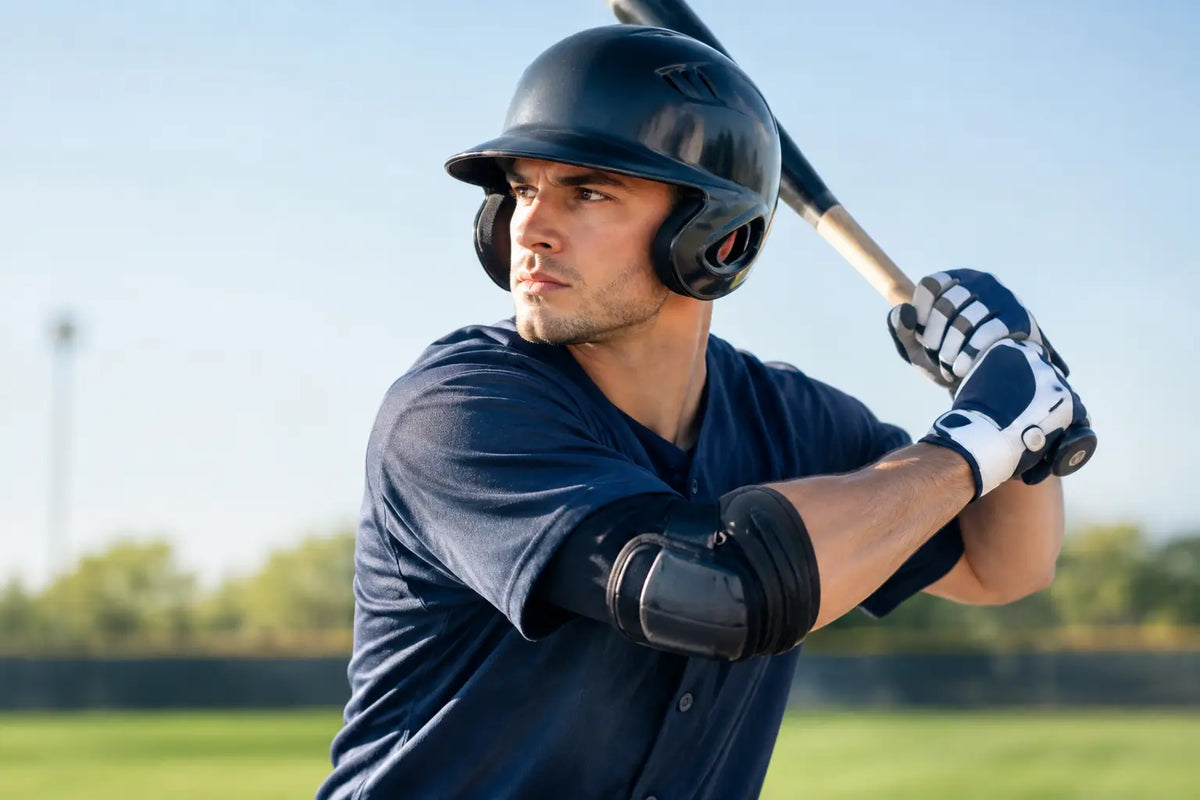
A hard-hit ball skips into the gap, your helmet comes off rounding second, and the last thing you need is sweat running down your hand as you look for the third-base coach. Baseball wrist accessories may be small, but the right ones handle real game-day problems: slick grips, distractions, wrist comfort, and a uniform look that feels like you came ready.
They are not magic. A wristband will not fix a rushed swing, and a wrist guard cannot replace sound mechanics. But gear that stays comfortable and does its job lets you keep your focus where it belongs - on the next pitch.
Why Baseball Wrist Accessories Matter
The best baseball gear earns its place. It protects you, keeps you comfortable, or helps you play with more confidence. Wrist accessories can check all three boxes when you choose them for your role, conditions, and personal preference.
For hitters, sweat management is the obvious benefit. Moisture on your wrist can travel into your batting glove and make the handle feel less secure. A soft, absorbent wristband gives you a quick place to wipe your forehead, face, or fingers between pitches without digging through the dirt for a towel.
For fielders, a low-profile band can help manage sweat without getting in the way of a glove cuff. Pitchers may prefer minimal accessories or none at all, especially if anything changes their feel for the ball. That is not overthinking it. Feel matters when you are trying to repeat a release point.
There is also the confidence factor. Baseball is a game of details, routines, and presence. When your gear fits right and looks intentional, you step in with a little more edge. That does not replace preparation. It supports it.
Choosing Baseball Wrist Accessories for Your Game
Start with function, not color. Style matters, but it should be the finish, not the reason you buy. Ask what problem you want the accessory to solve.
A traditional wristband is the go-to choice for sweat control. Look for a stretch fabric that feels soft against skin and returns to shape after repeated wear. Too loose, and it slides down your forearm when you throw. Too tight, and it can feel distracting or leave deep marks after a long practice. The right fit stays put without feeling like a wrap.
A compression-style wrist sleeve offers a closer, more locked-in feel. Some players like that secure sensation beneath batting gloves or long sleeves. Others find it too warm in summer tournament heat. If you play doubleheaders in July, a lighter option may be the smarter move.
A wrist guard is different from a wristband. It is built for impact protection and is most useful to hitters who want coverage near the lead wrist or lower forearm. A fast pitch can find exposed skin in a hurry. A properly placed guard gives you an extra layer of confidence in the box, especially against pitchers with real velocity.
Do not assume more padding is always better. A bulky guard can interfere with your batting glove, restrict your wrist angle, or make a young player feel awkward during the swing. Test the range of motion. Take dry swings. Grip a bat. If it changes your hand position or makes your swing feel forced, try a lower-profile design.
Match the Accessory to Your Position
Hitters usually get the most value from wristbands and protective guards. The goal is simple: stay dry, stay comfortable, and do not let fear of contact change your approach. A guard should sit securely without shifting when you rotate through the ball.
Infielders often favor compact wristbands that do not bunch under a glove. Middle infielders, especially, need clean hand movement on transfers and quick throws. Anything that rides up, catches, or feels bulky will get noticed fast.
Outfielders can usually wear a wristband with fewer fit concerns, but hot-weather sweat control is still a real advantage. Catchers need to think about compatibility with their gear. A thick band under a wrist strap or glove cuff may create pressure points over several innings.
Pitchers should keep it simple. If a wrist accessory affects the way your arm feels, your grip, or your ability to stay cool, leave it in the bag. Pitching is about repeatability. Choose comfort over extra style every time you take the mound.
Fit Is the Difference Between Useful and Annoying
A wrist accessory that moves around becomes a distraction. That is the fastest way a good idea turns into gear you never wear.
Measure where you plan to wear it. Most players prefer a band just above the wrist joint, where it can catch sweat without interfering with the hand. If you wear it higher on the forearm, make sure it does not slide while throwing or swinging. For a protective guard, follow the product fit guidance and secure all straps flat against the arm.
Young players often make one mistake: choosing oversized accessories because they want room to grow. That approach rarely works for performance gear. A loose band twists. A loose guard rotates on contact. Buy the size that fits now, then replace it when needed. Reliable fit is worth more than a season of extra use.
Before game day, wear the accessory during batting practice or a full practice. Your body will tell you what a product page cannot. Notice whether it traps heat, rubs the skin, catches on your sleeve, or changes the way your batting glove closes. Small annoyances become big ones by the sixth inning.
Build a Clean Game-Day Setup
You do not need a pile of gear on both arms. A clean setup looks better and performs better. Choose one or two pieces that serve a purpose and match the rest of your equipment.
Color can bring the look together. Match your wristband to your team colors, batting gloves, belt, or cleats. If your uniform is already loud, a neutral black, white, or gray accessory keeps the look sharp. If your uniform is simple, a stronger color can add personality without making the whole setup feel overdone.
The key is consistency. Show up to practice with the same standard you bring to games. Keep your bands clean, your guard adjusted, and your backup gear in your bag. Players notice details. Coaches do too.
At Vi Athletics, that mindset is part of the point: performance gear should look like it belongs to a player who expects to compete.
Care Keeps Your Gear Ready
Wrist accessories collect sweat, sunscreen, dirt, and batting cage dust. Letting them sit wet in the bottom of a bag is a quick way to create odor and wear out the fabric.
After practice, take them out of your bag and let them air dry. Wash fabric bands regularly according to their care instructions, especially during hot-weather seasons. For guards, wipe down the shell and straps, then check for worn stitching, cracked material, or Velcro that no longer holds securely.
Keep a spare wristband in your equipment bag. Rain games, summer camps, and tournament weekends can turn one band into a soaked mess. A clean backup costs very little and gives you one less excuse to lose focus.
Wear What Helps You Compete
The right wrist accessory should disappear once the game starts. It should not slide, pinch, trap heat, or make you think about your gear between pitches. It should simply keep sweat under control, give you protection where you want it, and make you feel ready to take the field.
Pick the piece that fits your game, break it in before the first pitch, and wear it with purpose. Then get after it. #BeAForce.