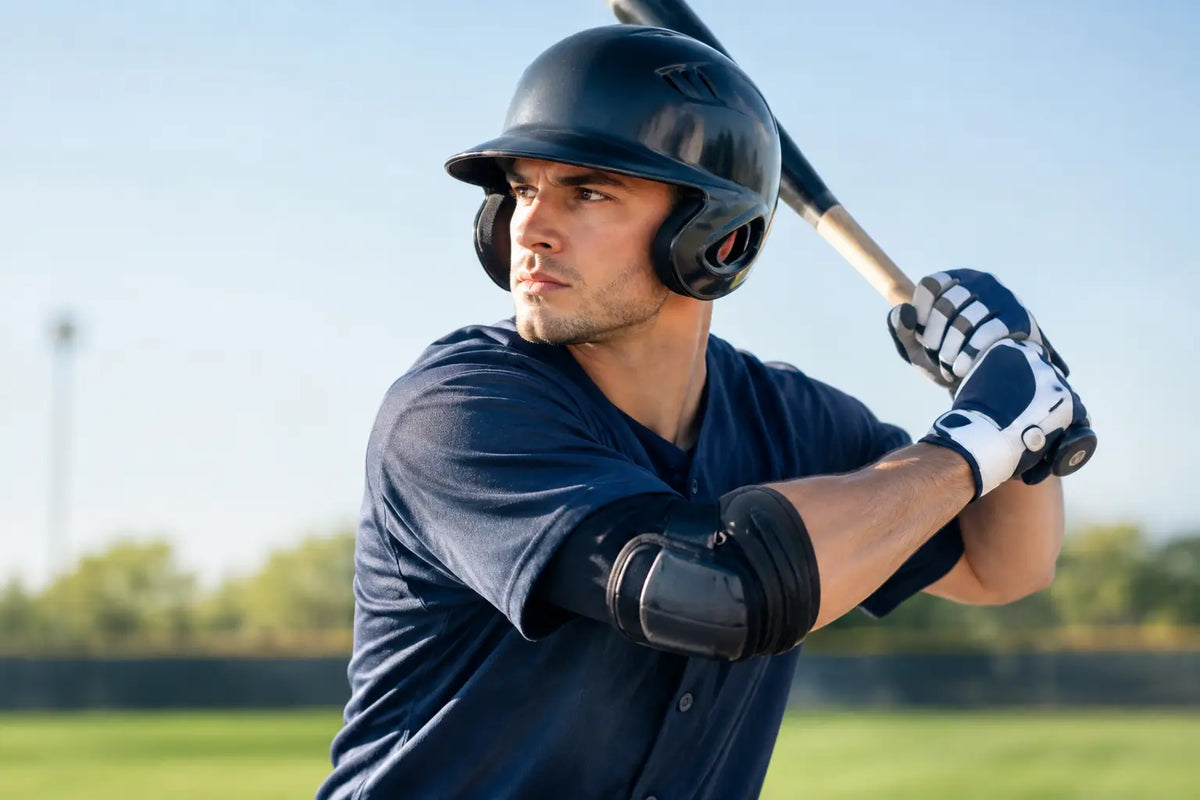
A glove is not just a glove when the ball is coming in hot or the count is full. The question of batting gloves vs golf gloves comes up because both improve grip, both use leather or synthetic materials, and both sit close to the hand. But they are built for completely different swings, forces, and moments of pressure.
Could you wear a golf glove in the batter’s box? Maybe, for one at-bat in a pinch. Should you make it your regular setup? No chance. Baseball demands more coverage, more impact protection, and more durability when your hands are working through a violent swing. The right gear lets you grip it, rip it, and play with confidence.
Batting Gloves vs Golf Gloves: The Core Difference
Batting gloves are made to protect both hands while they control a bat moving at high speed. They need to reduce sting from contact, limit friction from repeated swings, stay locked in through sweat, and hold up against batting practice, games, and cages. A good pair gives hitters a secure feel without turning the handle into something bulky or disconnected.
Golf gloves are designed mainly to create a consistent connection between one hand and a golf club. Most right-handed golfers wear a single glove on their left hand, while most left-handed golfers wear one on their right. That gloved hand helps prevent the club from slipping and supports a repeatable grip during a controlled, highly technical swing.
That is the biggest split: batting gloves manage impact and two-handed control, while golf gloves focus on precision grip and feel. They may look similar on a shelf, but the demands are not even close.
Why Batting Gloves Use Two Hands
A baseball bat puts force into both hands. The bottom hand helps control the handle and drive the barrel through the zone. The top hand guides the swing, stabilizes the bat, and absorbs plenty of vibration when the ball catches the wrong spot on the barrel.
That is why batting gloves are sold as a pair. Wearing only one batting glove leaves the other hand exposed to friction, blisters, sweat, and sting. It also creates an uneven feel on the handle. For hitters who take a lot of swings, that small mismatch can become a real distraction.
Batting gloves also need a secure wrist closure. Hook-and-loop straps, compression cuffs, or elastic wrist designs help keep the glove from shifting when the hitter loads, fires, and finishes. A loose glove creates bunching in the palm. Bunching leads to lost feel, and lost feel is the last thing a hitter needs with runners on base.
Golf gloves are usually thinner and built for one hand because the club grip does not produce the same repeated shock. A golfer wants a close, almost second-skin fit that preserves feedback through the fingers. A hitter needs feel too, but baseball adds impact protection to the equation.
Padding Changes Everything
The sharpest difference between batting gloves and golf gloves is what happens after contact.
A baseball can leave the bat at more than 90 mph, but the hitter still feels the collision in the hands. Mishits, cold-weather swings, and balls struck near the hands can send vibration straight through the handle. Batting gloves commonly use reinforced palms, extra material in high-wear zones, and strategically placed padding to soften that punishment.
The goal is not to make your hands numb. Too much padding can make the bat feel distant and reduce control. The best batting gloves balance protection with a natural grip, giving you enough cushion to keep swinging freely without feeling like you are holding the bat through winter mittens.
Golf gloves generally do not need that kind of reinforcement. Their palms are designed for tactile feedback, not bat sting. The leather is often thin, soft, and highly responsive. That works perfectly for feeling clubface position, but it can wear down quickly against a bat handle and does little to protect a hitter on a rough contact day.
Materials and Durability Under Pressure
Both categories use leather, synthetic leather, or a blend of performance fabrics. The material choice matters, but how the material is used matters more.
Premium golf gloves often use cabretta leather because it is supple and offers excellent feel. The trade-off is durability. Sweat, repeated gripping, and rough surfaces can wear through a thin golf glove fast. Golfers accept that trade-off because precision is the priority.
Batting gloves need to survive a different workload. Players may take dozens or hundreds of swings per week, then wear the same pair during games, drills, and cage work. That is why many batting gloves combine durable synthetic palms with breathable backs, reinforced thumb areas, and flexible panels around the knuckles.
Leather batting gloves can deliver a premium feel and strong grip, especially once they break in. Synthetic options can be easier to clean, more consistent in wet conditions, and often more durable for players who live in the cage. Neither material automatically wins. A player who values a soft, broken-in feel may prefer leather, while a high-volume hitter may want the tough, low-maintenance edge of synthetic construction.
Fit: Snug Is Good, Restrictive Is Not
A batting glove should fit snug across the palm and fingers with no dead space at the fingertips. If the glove slides, twists, or folds when you grip the bat, it is too big. That movement creates hot spots and makes the handle feel unstable.
At the same time, do not size down so aggressively that your fingers feel compressed or your range of motion gets limited. Baseball is full of small adjustments. You need to grip, release, regrip, and react without fighting your equipment.
Golf gloves also need a close fit, often even tighter at first. A golf glove that is too loose can move during the swing and ruin grip consistency. But golf sizing is not a perfect guide for batting gloves. The cut, wrist closure, padding, and finger shape are different. Try batting gloves based on how they perform around a bat, not on the size printed inside your golf glove.
For younger players, parents should leave a little room for growth only if the glove still sits securely in the palm. Oversized gloves are not a bargain if they cause blisters or make a young hitter feel disconnected from the bat.
Weather and Sweat Are Real Factors
Summer tournaments test gear. Heat makes hands sweat, dirt gets into everything, and a long day at the ballpark can expose weak materials fast. Batting gloves are built with breathability and grip retention in mind because baseball players have to perform through those conditions.
Golf gloves can become slick when they are saturated with sweat or rain. They are often rotated during a round, allowed to dry, or replaced when their grip fades. A batter does not have that luxury during every plate appearance. When it is your turn, your gloves need to be ready.
Cold weather matters too. Baseballs feel harder in low temperatures, and sting becomes more noticeable. Batting gloves cannot erase that impact, but a well-constructed pair can take the edge off and help players stay aggressive at the plate. A thin golf glove offers far less help there.
Can You Use Golf Gloves for Batting Practice?
For casual backyard swings, a golf glove is better than bare hands if it is all you have. It may help reduce a little friction on the gloved hand and keep the bat from feeling slippery. But it is not a true substitute for batting gloves, especially if you are using a real baseball, taking live pitches, or doing serious cage work.
You would still have one unprotected hand, less palm reinforcement, and a glove that may wear through quickly. The fit can also become a problem because golf gloves are not designed for the repeated two-handed pressure of a bat handle.
Use golf gloves for golf. Save batting gloves for the field, the cage, and the work that builds confidence in the box.
Choosing the Right Batting Gloves
Start with your workload. A player who takes a few recreational swings each week may prioritize comfort and style. A high school hitter taking daily reps should look harder at palm durability, wrist security, ventilation, and reinforced areas that match where they wear through gloves.
Then think about feel. Some hitters want a thin, connected grip that keeps the bat handle clear in their hands. Others prefer more support and padding because they deal with sting or play frequently in cooler conditions. There is no single best setup for every player. The right pair is the one that lets you swing hard without thinking about your hands.
Style counts, too. Your gear should look ready when you step in. Clean color choices, a confident fit, and a glove that matches your game bring a different kind of energy to the plate. At Vi Athletics, that is part of the standard: performance first, with enough swag to show you came to compete.
Your hands are your connection to the bat. Give them gear built for the job, then let your swing do the talking. #BeAForce.