If your glove feels late, your game feels late. That is why baseball gloves 2026 are getting so much attention from players, coaches, and parents before the season even settles in. The right glove is not just leather on your hand. It shapes first-step confidence, cleaner transfers, and whether you trust yourself when the ball gets hit hard.
A lot of players shop gloves the wrong way. They buy based on a name, a colorway, or what their favorite big leaguer wears. That can work if the fit is right and the build matches the position. But most of the time, the best glove for your game is the one that makes routine plays feel automatic and tough plays feel possible.
What baseball gloves 2026 are really changing
The biggest shift in baseball gloves 2026 is not magic material or some overnight revolution. It is refinement. Brands are getting more specific about pocket shape, finger stall feel, wrist security, and break-in profile. That matters because players now expect gear to feel game-ready faster without falling apart by midseason.
For younger players, that usually means softer initial feel and lighter construction. A stiff glove might sound premium, but if a 10-year-old cannot close it, it is not helping. For high school and adult players, the trend leans toward gloves that still hold structure while shaving down some of the painful break-in time.
You are also seeing more position-specific patterns. Infield gloves are being built with quicker hands in mind, outfield gloves with deeper pockets and reach, and catcher or first base mitts with shape details that help secure difficult throws. None of that is new on paper. What is new is how much better brands are getting at dialing in those differences.
Fit beats hype every time
A glove can look tough and still play soft in the worst way. It can also feel stiff in the store and end up perfect once it forms to your hand. That is the trade-off. You are not only buying what the glove is today. You are buying what it becomes after reps.
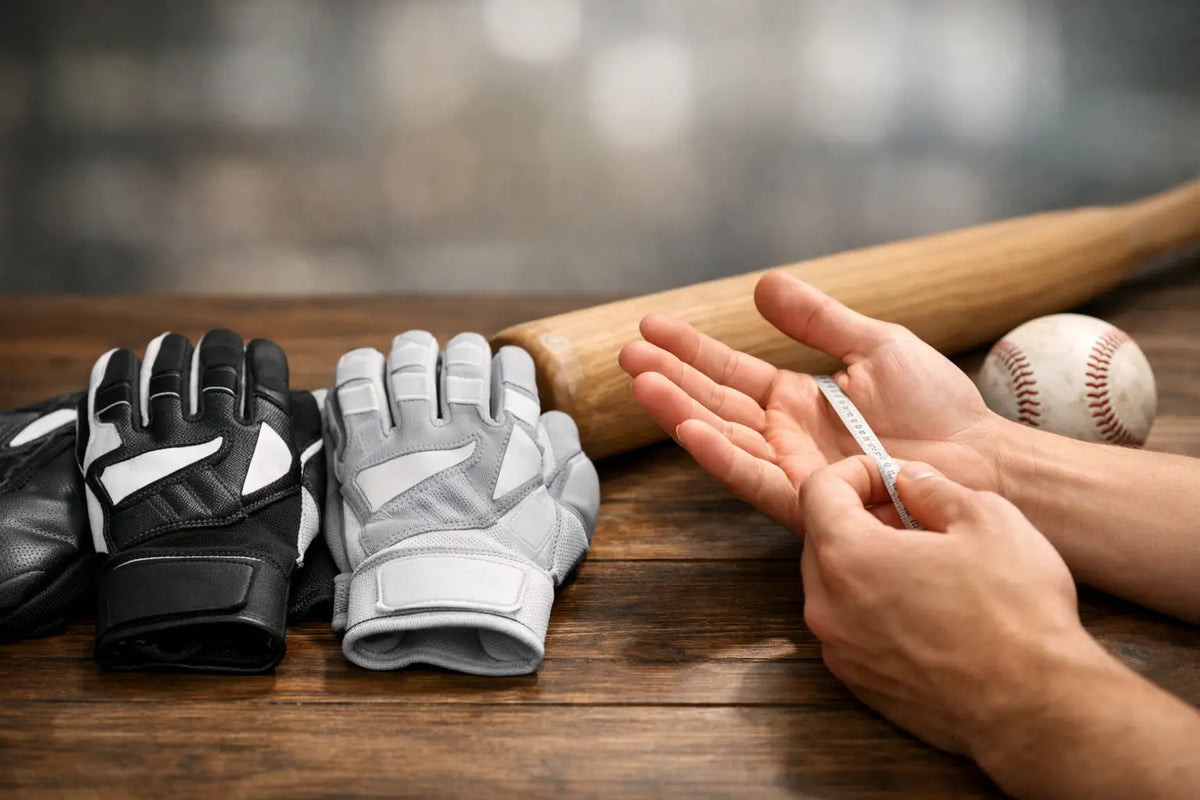
The first checkpoint is hand fit. If the glove slides around at the wrist, you lose control. If the finger stalls are too cramped, your hand gets tired and your transfers slow down. Some players like to wear two fingers in the pinky stall for a wider feel and deeper pocket. Others want a more traditional setup for quicker ball-to-hand exchange. Neither is right for everyone.
The second checkpoint is closure. This gets ignored all the time. You should be able to close the glove cleanly through the pocket without fighting it. Younger players especially need this. A glove that is too hard to close trains bad habits fast.
Leather quality matters, but not the same way for every player
There is always talk about premium leather, and yes, better leather usually means better long-term shape, stronger laces, and a more serious feel. But premium is not automatically better if the player is still developing or growing out of gear every season or two.
For youth players, full-grain or steerhide can be great if the glove is still manageable. But in many cases, a softer leather blend or lighter youth model is the smarter buy. You want something durable enough to take reps, but not so stubborn that the player never gets comfortable.
For teen and adult players, leather quality becomes a bigger deal. A glove used in high school ball, travel ball, or serious adult leagues takes more abuse. Better leather tends to hold the pocket shape longer and handle repeated use without turning floppy. That gives players more consistency, especially on bad hops and quick transfers.
Position should decide the pattern
This is where a lot of buying mistakes happen. Players pick a glove because it looks clean, then try to force it into a role it was never built for.
Infield gloves
Infielders usually need a shallower pocket and quicker transfer. Sizes often stay in the smaller range, with patterns that let the ball come in and out fast. If you play second, short, or third, a glove that swallows the ball too deep can cost you time. That extra fraction matters.
Outfield gloves
Outfielders need reach and security. A deeper pocket helps track fly balls, secure catches on the run, and control the ball through impact. A glove that is too small can make your job harder, especially on line drives or balls near the wall.
Pitcher gloves
Pitchers often want a pattern that feels controlled and comfortable with a web that helps conceal grip. Comfort matters here because pitchers field comebackers, cover bunts, and need a glove they trust every pitch.
First base and catcher mitts
These are specialized for a reason. First base mitts help pick low throws and stretch for awkward hops. Catcher mitts are built to receive velocity and hold shape through constant impact. If you play either position regularly, use the right mitt. Trying to fake it with a standard fielding glove usually creates more problems than it solves.
The break-in question
Players love a glove that feels ready fast. Parents love not spending weeks trying to soften one up. But there is a line.
A glove that comes very soft out of the box can feel great on day one and lose structure too early. A glove that is too stiff can sit in the bag because the player never gets confident with it. The sweet spot in baseball gloves 2026 is a controlled break-in - enough structure to shape the pocket your way, enough flexibility to start using it without a full offseason of work.
The best break-in still comes from reps. Catch with it. Work ground balls. Use your hand, not shortcuts that wreck leather or weaken the shape. Heat and harsh treatments can make a glove feel broken in fast, but they can also shorten its life.
Style matters, but it should not be the first filter
Let’s be real. Players care how their glove looks. They should. Confidence has a visual side too. A glove with clean design, strong color contrast, or a little extra attitude can absolutely make you feel more game-ready.
But style should come after fit, feel, and function. If a flashy glove performs, great. If it looks elite but fights your hand every inning, it is not helping you make plays. The best gear brings both. That is the lane modern baseball brands are chasing now - performance first, swag still intact.
What parents should look for before buying
If you are buying for a youth or teen player, skip the guesswork and focus on how the glove will actually be used. Position matters. Age matters. Strength matters. So does how often the player is on the field.
A rec league player may not need the same level of leather and structure as a travel ball shortstop taking reps year-round. At the same time, buying too far ahead can backfire. A glove a player will grow into eventually is often a glove they cannot use well right now.
Ask a simple question first: can they control it today? If the answer is no, keep looking. The best glove is one they can trust this season, not one that only sounds impressive online.
How to narrow down baseball gloves 2026 fast
Start with position, then age and hand strength, then budget. That order keeps you from overpaying for the wrong build. After that, check the wrist fit, how naturally the glove closes, and whether the pocket shape matches the kind of plays the athlete makes most.
For serious players, it makes sense to pay more for leather and structure that last. For newer or younger players, game-ready feel and control usually matter more than prestige. It depends on usage. It depends on development. And it depends on whether the glove makes the player want to keep showing up and putting in work.
That is really the point. The right glove does more than catch baseballs. It builds trust in your hands, gives your game a sharper edge, and makes every rep feel like it counts. Choose one that fits your position, your level, and your style - then break it in with intent and go be a force.