That first sting off a mishit tells you everything - bad hitting gear gets exposed fast. A real hitting gear buying guide is not about loading up on extras. It is about choosing the pieces that help you stay confident in the box, swing free, and look ready to do damage.
For most players, the core setup starts simple: batting gloves, an elbow guard, and a few small accessories that make practice and game day easier. The right gear should feel natural, not distracting. If you are adjusting it every pitch, fighting the fit, or replacing it every few weeks, it is not helping your game.
Hitting gear buying guide: start with what matters most
When players shop for hitting gear, they usually make one of two mistakes. They either buy the cheapest option and hope it holds up, or they buy based on looks alone. Both can backfire. Good hitting gear has to earn its spot with fit, protection, durability, and feel.
Fit comes first because even high-quality gear fails if it moves around. Batting gloves that bunch in the palm can mess with grip. An elbow guard that slides during your load can break focus. If the gear does not feel locked in, you will notice it when the game speeds up.
Protection is next, but protection is not one-size-fits-all. A player who crowds the plate and wears pitches differently than a player with a more open stance may want more confidence from an elbow guard. Someone taking high-volume cage reps may care as much about reducing wear on the hands as they do about style.
Durability matters more than people think, especially for parents buying through a full season. Cheap materials look fine on day one. Then the stitching starts to go, the palm wears smooth, and the closure stops feeling secure. Spending a little more for gear that survives batting practice, weekend tournaments, and daily bag life usually saves money.
Then there is feel. This one is personal. Some hitters want a close, barely-there fit. Others like a little more structure. The best choice depends on what lets you grip the bat with confidence and forget the gear is even there.
How to buy batting gloves that actually perform
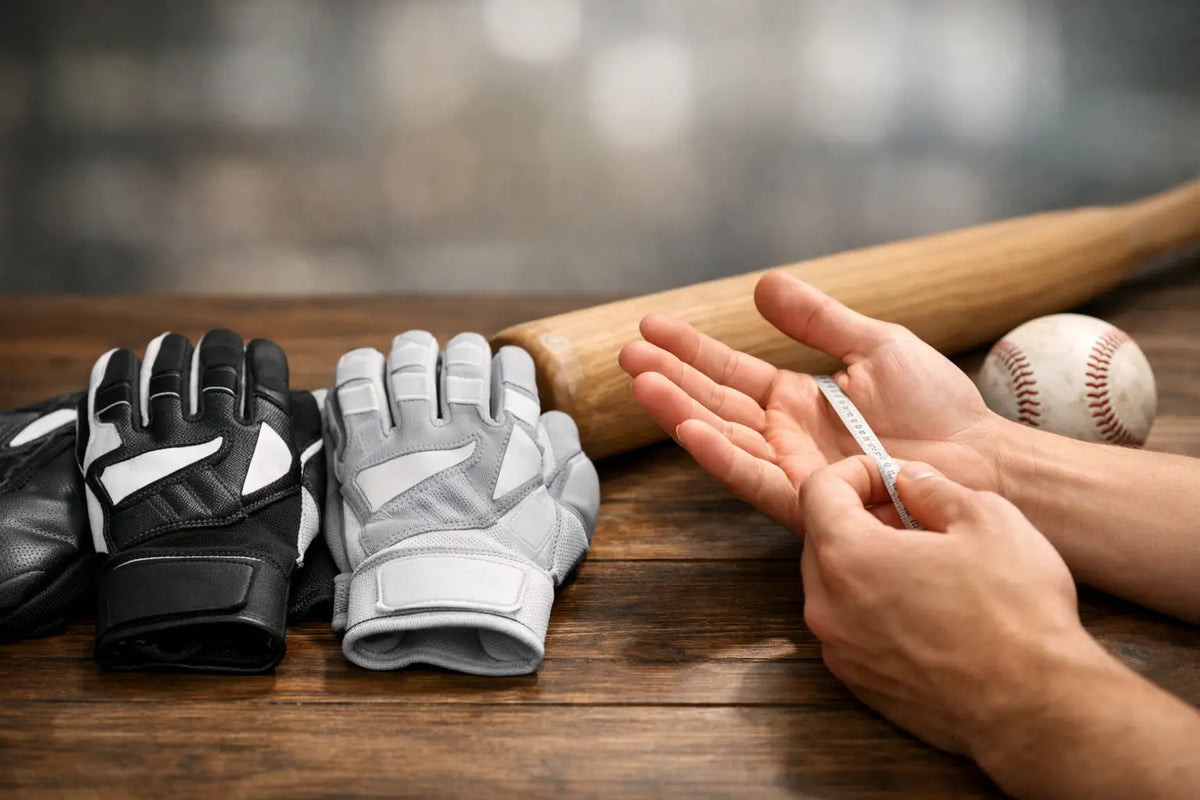
Batting gloves are usually the first piece players notice, and for good reason. They affect grip, comfort, and confidence on every swing. If you get this choice wrong, the rest of your setup does not matter much.
Start with the palm material. You want something that gives you control without getting slick too quickly. Soft palms can feel great out of the package, but if they wear down fast, that comfort comes at a cost. Stronger materials may feel a bit more structured at first, but often hold up better through repeated reps.
Pay attention to the wrist closure. A secure strap helps the glove stay put and supports a locked-in feel through contact. If the closure feels weak or flimsy, the glove can loosen during a game. That is annoying in the cage and worse in live at-bats.
Sizing is where a lot of players lose the plot. Too tight, and the gloves can pinch, restrict movement, or wear out faster under tension. Too loose, and you get bunching in the palm and shifting around the fingers. You want a snug fit with no extra material folding when you close your hand around the bat.
Breathability matters too, especially in hot weather and long tournament days. Gloves that trap too much heat can get slick with sweat and uncomfortable fast. If you play in warmer climates or spend a lot of time training outdoors, lightweight back-of-hand materials can make a real difference.
Style is part of it, no question. Players want gear with swag. That is real. But style should come after performance basics, not before them. The best batting gloves look sharp and back it up when the game gets loud.
Choosing the right elbow guard
An elbow guard is one of those pieces that players often buy only after getting hit. That is understandable, but not ideal. If you already know you lean over the plate, face hard throwers, or just want to swing with zero hesitation, adding protection early makes sense.
The biggest factor here is coverage. Some players want compact protection that stays out of the way. Others want more wrap and more confidence against inside pitches. Neither is automatically better. It depends on how much protection you want versus how minimal you want the feel.
Strap security matters a lot. A guard can have solid padding, but if it shifts between pitches, it becomes a distraction. Look for a design that stays planted without forcing you to overtighten it. You should be able to move naturally through your load and swing without feeling like your arm is fighting the gear.
Weight also matters. Heavier protection can feel secure, but some hitters prefer a lighter guard that disappears once it is on. Younger players especially may do better with gear that feels simple and easy rather than bulky and overbuilt.
There is also the confidence factor, and that is not fluff. When players trust their protection, they are less likely to bail out or cheat their mechanics on inside heat. Better swings often start with feeling covered enough to stand in strong.
Small hitting accessories that make a big difference
Not every useful piece of hitting gear is flashy. Some of the best buys are the low-key items that keep your setup consistent. Grip-related accessories, protective add-ons, and gear bag essentials can save frustration over a long season.
If your hands are constantly slipping, you may need to look beyond the bat and check whether your gloves are doing their job. If your gear wears down from being tossed around in the bag, storage habits matter more than people admit. And if you train a lot, rotating between game gear and practice gear can help your best pieces last longer.
This is where buying with purpose beats buying on impulse. Every item in your bag should answer a real need. If it does not improve comfort, protection, or readiness, it is probably just taking up space.
A hitting gear buying guide for parents
Parents usually shop with two goals that sometimes clash: get quality gear, and avoid overpaying for hype. That is the right mindset. The trick is knowing where quality actually shows up.
For younger players, prioritize comfort and adjustability. If a kid hates the feel of a glove or guard, they will not wear it right. That turns a good purchase into wasted money. Look for gear that is easy to put on, easy to secure, and durable enough to handle less-than-gentle use.
Do not size up too aggressively in the name of growing room. Gear that is too big now can create bad habits or just sit unused. A proper fit today is usually better than a loose fit with future hopes attached to it.
It also helps to think about playing frequency. A rec player with one or two events a week may not need the same level of build as a travel ball player taking daily reps. That does not mean buying junk for lighter use. It means matching the product to the actual workload.
When to spend more and when to keep it simple
Not every hitter needs the most premium version of everything. If you are choosing where to invest, put your money into the pieces you use constantly and feel immediately. Batting gloves and protective gear usually deserve more attention than novelty add-ons.
Spend more when the upgrade gets you better materials, stronger construction, or a fit that clearly improves comfort. Keep it simple when the difference is mostly cosmetic. That is especially true for fast-growing youth players, where replacing gear is part of the deal.
There is a sweet spot between bargain-bin and overbuilt. That is where most players should shop. You want gear that feels sharp, performs under pressure, and holds up without making you pay for features you will never notice.
Buy for confidence, not clutter
The best hitting gear buying guide comes down to one question: does this help you step in the box ready to attack? If the answer is yes, it belongs. If not, keep moving.
Choose gear that fits right, protects what matters, and holds its edge through real use. Look good, feel covered, and keep your hands ready for every rep. That is the whole point. At Vi Athletics, that mindset is simple - show up prepared, swing with force, and let your gear match your game.