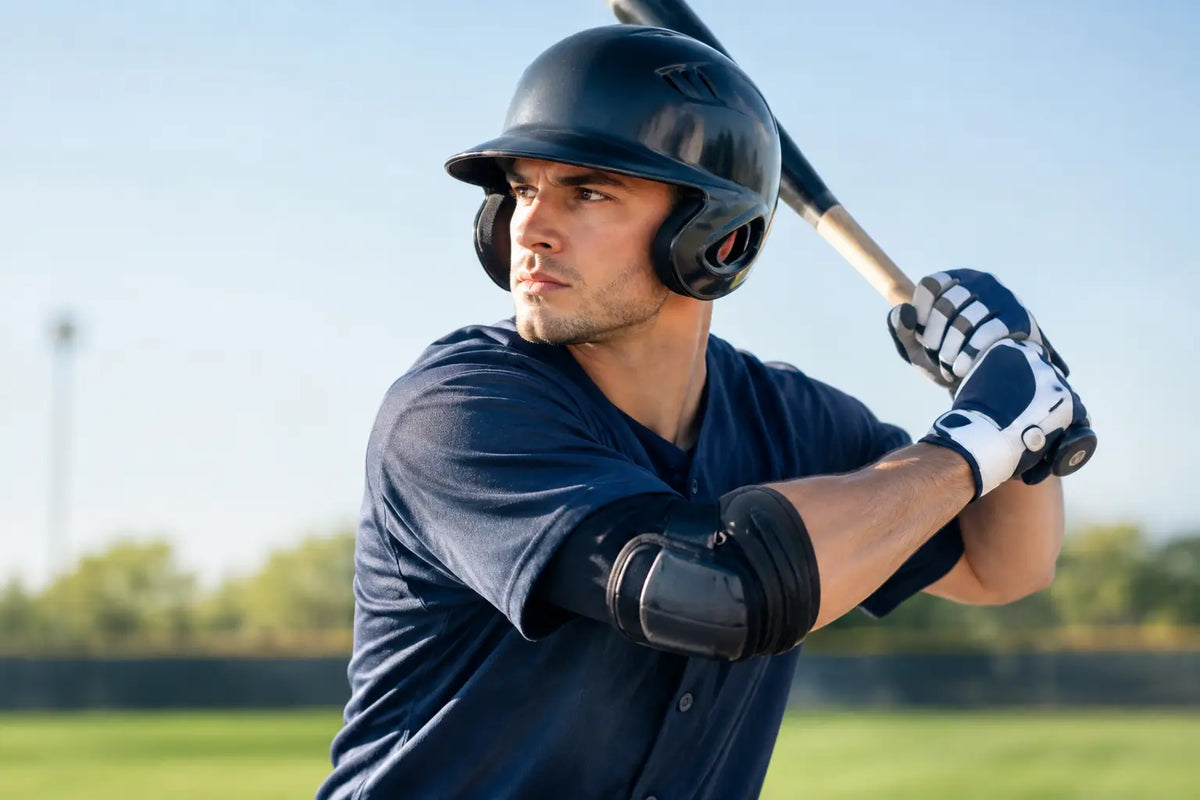
A batting glove that slides at the wrist or bunches in the palm can turn a clean swing into a distraction. The real decision in youth versus adult batting gloves is not about the number on a player’s birthday. It is about hand measurements, bat control, comfort, and how the glove performs when the count gets tough.
A younger player with larger hands may need an adult small. A high school player with narrow fingers may still get better control from a youth size. Forget the label for a minute. The right pair should feel like part of the hand, not extra equipment fighting the swing.
Youth Versus Adult Batting Gloves: What Actually Changes?
Youth and adult batting gloves are built around different hand proportions. Youth models generally have shorter finger stalls, narrower palms, and smaller wrist openings. Adult gloves usually add overall length and width, with more room through the palm and a larger closure system.
That difference matters because a batting glove has one job before anything else: it needs to stay connected to the hand. If the fingers do not reach the ends of the glove, material can fold at the fingertips. If the palm is too wide, the glove can move while the player grips the bat. That movement costs feel, especially on quick swings and inside pitches.
Adult gloves may also use thicker leather, more structured wrist straps, or additional reinforcement in high-wear areas. Those features can be a great fit for players facing more velocity, taking more swings, and playing a longer schedule. But more material is not automatically better. A young hitter with smaller hands can lose bat feel in a bulky glove, even if it looks like the premium option.
Start With Hand Size, Not Age
Age can offer a starting point, but it should never make the final call. Players grow at different rates, and hand size is no exception. Measure from the base of the palm to the tip of the middle finger, then compare that measurement with the sizing guidance for the specific glove being considered.
Also pay attention to palm width. A player can have long fingers but a narrow palm, or a wider palm with shorter fingers. That is why trying gloves on, when possible, tells you more than using age alone.
A properly sized batting glove should fit close across the palm without cutting off movement. The fingertips should touch or sit very near the ends of the finger stalls. The wrist closure should secure the glove firmly without digging in or leaving a gap. When the player makes a fist around a bat handle, the material should stay smooth instead of piling up in the palm.
Four signs the glove is too big
A glove has too much room if the player feels fabric folding under the hand, sees empty space at the fingertips, has to crank the wrist strap down excessively, or notices the glove twisting during practice swings. Those are not small comfort issues. They change how the hand meets the handle.
Too-large gloves are common when players size up for growth. It sounds practical, but it can backfire. A loose glove wears faster because it shifts against the hand, and it can make a developing hitter grip the bat too tightly to compensate. That tension can slow the hands and make practice less productive.
What too small feels like
A glove that is too small pulls across the knuckles, restricts finger movement, or leaves the wrist closure barely able to connect. It may feel tight in the store but become distracting after a few rounds of batting practice, especially once sweat builds.
Some break-in is normal with quality leather gloves. A new pair should feel snug, not painful. Do not expect a glove with clearly short fingers or a pinched palm to stretch into the right size.
Why Fit Affects Bat Control
Batting gloves protect the hands, but their performance value goes beyond preventing blisters. A close, secure fit helps a hitter keep a consistent grip without squeezing the handle harder than necessary. That matters for younger athletes learning hand placement and for experienced players looking for a cleaner feel through contact.
When the palm lies flat, the player gets more direct feedback from the bat. They can feel whether the handle is sitting correctly in the fingers, whether the top hand is overworking, and whether vibration is traveling through the grip. A glove that bunches up dulls that feedback.
This is where the youth versus adult choice gets more personal. A stronger player may prefer the added structure and durability often found in adult gloves. A player focused on speed, feel, and a close-to-the-bat connection may prefer a lighter glove with a tighter profile. Neither approach is automatically superior. The better choice is the one that lets the hitter take confident, repeatable swings.
Materials Matter, But They Come After Fit
Leather palms remain a go-to choice for players who want durability, grip, and a natural feel. They often need a short break-in period, then mold closer to the hand over time. Synthetic materials can feel softer right away, dry quickly, and offer flexibility for players who practice frequently in heat or changing conditions.
Look closely at the palm and high-contact zones. Reinforcement can extend the life of a glove for a hitter who takes daily reps, but overly thick padding may feel disconnected on the handle. Youth players who are still learning to grip the bat may benefit most from a smooth, flexible palm. Older players may value extra durability if they regularly wear through gloves near the heel of the hand.
Breathable backs, flexible knuckle panels, and secure wrist closures are useful at any level. Sweat can make a good glove feel slippery, and stiff material can make a player want to take the gloves off between every at-bat. The right construction keeps the hands ready without making them feel trapped.
When Moving to Adult Sizes Makes Sense
Moving into adult batting gloves makes sense when youth gloves are genuinely too short in the fingers, too narrow through the palm, or too tight around the wrist. It can also make sense for a player who needs a more durable build for a demanding high school, travel ball, or training schedule.
It does not make sense just because adult gear feels like the next level. Big league confidence comes from preparation and fit, not from swimming in a larger glove. An adult small can be an excellent bridge for a growing athlete, but only if it sits cleanly on the hand.
Parents can help by checking the fit at the start of a season and again during major growth spurts. A glove that fit perfectly in spring may feel short by late summer. Players should speak up when the fingers feel cramped or the palm starts moving. Gear should support the work, not become another problem to solve.
Match the Glove to the Player’s Routine
A player who uses batting gloves only for games may prioritize comfort and style. A player taking hundreds of swings each week should put durability and consistent fit at the top of the list. Consider the conditions too. Hot-weather players may want more breathability, while players dealing with cold cages or early-season games may appreciate a glove that feels more substantial.
Color and design still matter. Baseball gear is part performance and part presence. A player who feels sharp stepping into the box carries a different kind of energy. Just make sure the look comes after the glove passes the grip test. Great swag should perform when the game speeds up.
At Vi Athletics, that balance is the point: quality gear that looks ready for the moment and holds up to the work behind it.
The Quick Test Before You Commit
Have the player put both gloves on and hold their game bat. They should open and close their hands easily, take several dry swings, and check for pinching, slipping, or bunching. Pay special attention to the fingertips and the center of the palm. Those areas reveal fit problems fast.
Then let the player wear the gloves for a real batting practice session if possible. A glove can feel fine for thirty seconds and completely different after sweat, repeated swings, and contact. The best pair disappears during the at-bat. The hitter is thinking about the pitch, the barrel, and the next hard swing - not adjusting their hands.
Choose the size that gives the player control now. Growth will come. So will more reps, tougher pitchers, and bigger moments. A glove that fits today gives every swing a better chance to show what that player can do. #BeAForce.