The first game might start at 8 a.m. The last one might end under the lights. Between them: hot pavement, rushed meals, extra innings, and no room for gear failures. Baseball tournament essentials are not about hauling everything you own to the field. They are the pieces that keep a player protected, fueled, focused, and ready when the game gets tight.
A tournament exposes weak preparation fast. A glove that is not broken in, batting gloves that get slick with sweat, or an empty water bottle can turn a strong weekend into a grind. Pack with purpose. Show up ready to compete. #BeAForce.
Baseball Tournament Essentials Start With Your Game Gear
Your primary equipment belongs at the center of the bag, not buried under snacks and extra shirts. The goal is simple: every item you need to play your position and take a quality at-bat should be easy to reach and ready to use.
Start with your fielding glove. Tournament weekends are not the time to test a new glove or make major adjustments to one you already trust. Bring the glove that fits your hand, closes cleanly, and gives you confidence on a hard ground ball or high-pressure catch. If you have a backup glove, bring it too, especially for younger players who may deal with mud, rain, or a broken lace at the worst possible moment.
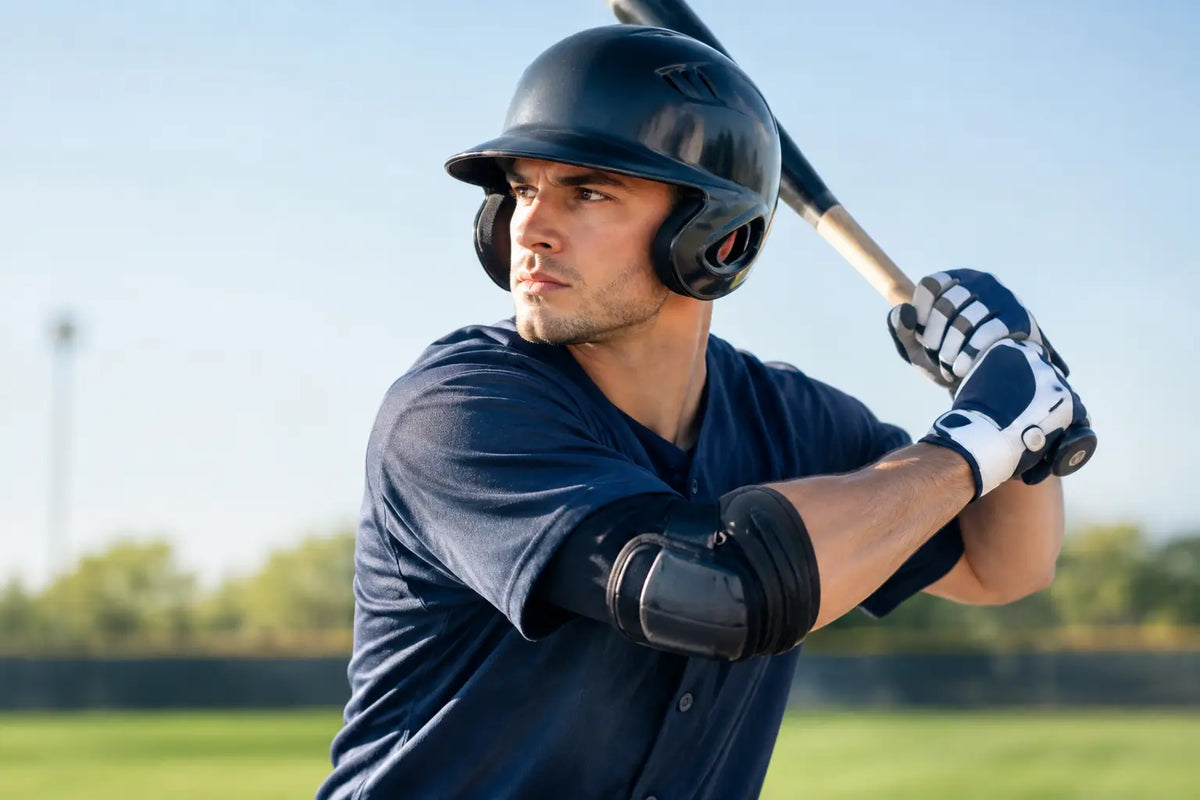
Batting gloves matter more as the day wears on. Sweat, dust, and repeated swings can change the feel of the bat. A second pair gives players a dry option and keeps one bad rip from becoming a distraction. For athletes who wear elbow guards, wrist protection, or sliding gear, check every strap and attachment before leaving home. Protective gear only helps when it stays secure through a full swing, sprint, or slide.
Keep these core items together in one easy-access compartment:
- Fielding glove and a reliable backup if available
- Batting gloves, plus an extra pair for heat or rain
- Helmet, bat, cleats, and any required catcher’s equipment
- Elbow guard, sliding mitt, or other position-specific protection
- Baseballs for warmups, batting practice, or bullpen work
Protection Is Performance Gear
A player who feels protected can play free. That is why impact gear deserves the same attention as a bat or glove. An elbow guard can help hitters stay committed in the box against faster pitching. A sliding mitt can protect the hand during aggressive steals and close plays. Properly fitted gear gives athletes the confidence to compete without flinching.
Fit is the difference-maker. Gear that shifts, pinches, or limits movement becomes a problem by the second or third game. Have players take practice swings, run, and get into a sliding position before tournament day. If something feels wrong in the driveway, it will feel worse in the seventh inning.
Parents should also think about the conditions. A weekend of hard dirt infield play may call for extra attention to sliding protection. A tournament with multiple games against strong pitching makes dependable batting protection a smarter call. There is no single setup for every player, but there should be a clear reason for every piece in the bag.
Fuel for the Whole Day, Not Just First Pitch
Tournament energy does not come from one sports drink and a bag of candy. Players need water, electrolytes when the heat demands them, and food that holds up between games. The right plan prevents the late-day crash that shows up as slow reactions, short tempers, and flat at-bats.
Pack a large water bottle and refill it whenever there is a chance. In hot weather, bring a second bottle or a small cooler. Athletes who are sweating through uniforms may benefit from electrolyte drinks, but water should still be the foundation. If the schedule includes only a short break, choose snacks that are quick to eat and easy to digest.
Good tournament food is practical. Think fruit, sandwiches, yogurt, cheese sticks, trail mix, pretzels, protein snacks, and simple carbohydrates before a game. Avoid experimenting with heavy meals or unfamiliar foods on game day. The player who feels light, hydrated, and steady has a better chance to stay sharp through the final out.
Dress for Heat, Dirt, and Sudden Weather
A clean uniform looks great at first pitch. By game three, comfort wins. Pack extra socks, an extra undershirt, and a second pair of sliding pants or baseball pants if the schedule is packed. Changing out of sweat-soaked layers can make a player feel reset before the next game.
Weather is rarely polite at a tournament. Sun can turn a morning game into a heat test, while an afternoon storm can leave a field wet and cold. A lightweight rain layer, towel, sunscreen, and a hat for downtime are small additions with a big payoff. For cold early games, layers are better than one bulky sweatshirt because players can adjust as they warm up.
Do not forget the cleats. Check them before the weekend for loose laces, worn soles, or packed-in dirt. If the event is held on turf and dirt fields, confirm which shoes the player will need. The wrong footwear can affect traction, comfort, and confidence before the game even begins.
Build a Between-Game Reset Routine
Tournament baseball rewards players who can reset. A tough at-bat, an error, or a close loss cannot follow a team into the next game. The best routine is simple enough to repeat anywhere: drink water, eat something, cool down, check equipment, and take a few minutes away from the noise.
Players should not spend every break taking full swings or throwing at max effort. Light movement is useful, especially when the next game is close, but recovery comes first. Sit in the shade. Stretch tight hips and shoulders. Change wet clothes. Let the body and mind settle.
For pitchers, the plan needs more discipline. Follow pitch-count rules, listen to coaches, and never chase extra innings of work just because the team needs another arm later. Arm health is bigger than one weekend. Bring bands or a simple warmup tool if that is part of the player’s normal routine, but do not introduce a new throwing program at the field.
Keep the Bag Organized Under Pressure
A tournament bag should work like a dugout locker. Every item has a place. Small essentials such as tape, pain-free bandages, sunscreen, lip balm, hair ties, and a phone charger often disappear when they are loose. Put them in a small pouch and return them there after every use.
Label gear, especially when multiple teammates use the same brand or similar colors. Gloves, helmets, bats, and guards can look identical in a crowded dugout. A name label is a small move that prevents a big headache.
Before bed, reload the bag. Refill water bottles, set out the uniform, charge devices, restock snacks, and check the tournament schedule. That five-minute routine keeps the morning calm and gives players more time to focus on baseball instead of scrambling for missing equipment.
Choose Gear You Will Trust All Weekend
The best tournament setup is not always the biggest or most expensive one. It is the one that matches the player’s position, age, weather, and schedule. A catcher needs different support than an outfielder. A one-day local event calls for less than a three-day trip with pool play and bracket games. Buy and pack for the actual work ahead.
Quality gear earns its spot when it stays comfortable, protects where it should, and looks sharp after a hard day. That is the standard athletes should expect from every piece they wear, from gloves to guards. Vi Athletics is built around that mindset: performance equipment with the confidence to stand out.
When the schedule is long and the pressure rises, preparation becomes part of the player. Pack smart, recover hard, and walk into every inning ready to make the next play.