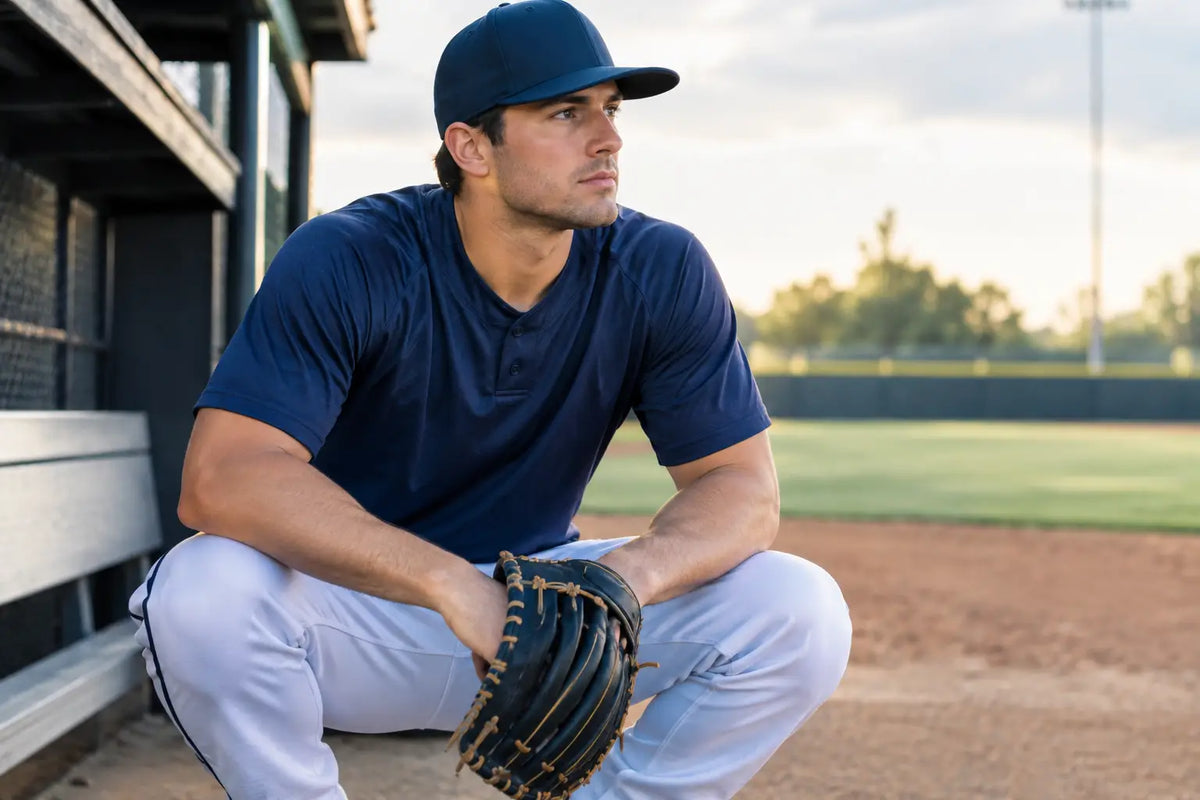
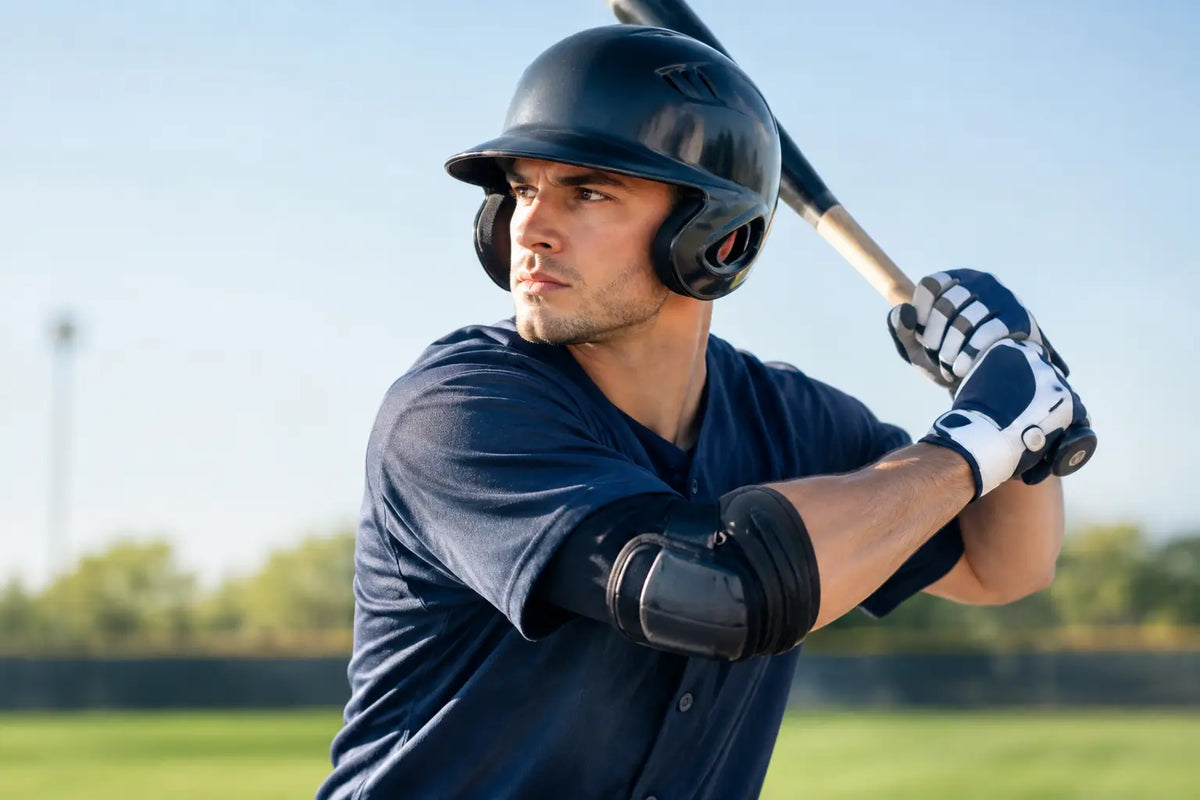
A white baseball pant can look game-ready in the dugout and completely different after one headfirst slide. That is why a baseball uniform durability case study matters more than a fabric label or a clean product photo. Players need gear that can handle dirt, sweat, repeated washing, rough benches, turf burns, and the kind of hustle that wins close games.
This case study follows a common season scenario: one competitive youth or high school player using the same primary jersey and two pairs of pants across roughly 40 games, plus practices, warmups, and travel weekends. The goal is not to crown one material as perfect. It is to show where uniforms take the most damage, what separates normal wear from early failure, and how to get more innings from every piece.
The 40-Game Test: Where Uniforms Get Hit
The player in this scenario rotates two pairs of pants but relies on one primary game jersey. The season includes natural grass, dry infields, turf fields, batting cage sessions, and a few rainy weekends. Uniforms are washed after nearly every game, sometimes after back-to-back games when dirt and sweat are heavy.
That is a tougher workload than a uniform sees when it only comes out for Saturday rec ball. It is also much closer to how serious players actually use their gear. A uniform has to stay comfortable while moving, hold its shape through washes, and take abuse without looking worn out halfway through the schedule.
The first wear points show up fast. By games eight through 12, the pants tell the real story. Knees pick up abrasion from slides and pregame drills. The seat gets stress from catcher-style squats, bench time, and repeated movement. Belt loops pull when players yank pants into place. On the jersey, the underarms and collar absorb the most sweat, while lettering and numbers face the risk of cracking or peeling.
None of that automatically means the uniform is low quality. Baseball is rough on apparel. The question is whether the material and construction manage that stress without losing their fit, color, or function.
What Held Up and What Did Not
Pants: The Difference Is in the Knees and Seams
At the 20-game mark, reinforced knees are usually the clearest advantage. Pants without added knee protection may still be playable, but the fabric often looks fuzzy, thinned, or permanently ground into the dirt. For players who slide often, this is not a cosmetic issue alone. Thin knees become a tear risk, especially on turf and hard-packed infields.
The best-performing pants keep their shape at the waistband and lower leg. Cheap elastic can relax early, causing pants to sag or bunch around cleats. That can distract a player who is already trying to read a pitcher, track a fly ball, or take an aggressive lead.
Seams deserve just as much attention as fabric weight. A pant can feel thick but still fail where the inseam, crotch, or knee panel is stitched. After 40 games, a durable pair should show dirt and scuffing, not separated seams. If loose threads appear early around stress points, they tend to get worse quickly.
There is a trade-off. Heavier pants can resist abrasion better, but they may feel hot during summer tournaments. Lightweight stretch fabric gives players freedom to move, especially in the field, but it needs strong stitching and reinforced zones to survive a full season. The right choice depends on position, climate, and how often the player hits the dirt.
Jerseys: Sweat, Heat, and Repeated Washing
The primary jersey goes through a different fight. It is less likely to tear than pants, but it faces more frequent washing and more visible signs of wear. The collar can lose shape. Underarm panels can hold odor. Numbers can crack if heat is used too aggressively in the dryer.
By game 25, a quality jersey should still fit clean through the shoulders and torso. It should not twist at the side seams or develop a stretched-out neck. Moisture-wicking performance also matters after the first few washes, not just when the jersey is new. When fabric stays heavy with sweat, players feel it in the late innings.
Graphics are a durability test of their own. Tackle twill usually handles hard use well, though it adds weight. Screen printing can look sharp and stay flexible when applied well, but poor application may crack around numbers after repeated heat exposure. Sublimated designs avoid peeling because the color becomes part of the fabric, although fabric quality still determines how the jersey feels and holds up.
Color and Stain Resistance Are Not the Same Thing
Dark uniforms can hide dirt, but they are not automatically more durable. White and gray pants make every slide obvious, which can make a perfectly intact uniform look finished before it actually is. Parents know the difference between a stain that will not lift and a hole that will not stop spreading.
After 40 games, colorfast fabric should still look consistent, especially on navy, red, black, and royal blue pieces. Fading around the thighs, waistband, or shoulders often points to harsh detergent, too much dryer heat, or lower-quality dye. Dirt is part of baseball. Faded color does not have to be.
The Biggest Durability Mistake Happens at Home
Players earn the stains on the field. Laundry habits decide whether those stains become permanent and whether the uniform wears out early.
Hot water and high dryer heat are the usual troublemakers. They can set dirt stains, weaken elastic fibers, shrink fabric, and damage applied graphics. Bleach may seem like the answer for white pants, but frequent use can weaken fibers and leave fabric looking dull or yellowed over time.
A better routine is simple: rinse off excess dirt as soon as possible, turn jerseys inside out, wash in cold water with a sports-safe detergent, and air-dry when practical. If a dryer is necessary, use low heat. Treat grass, clay, and red dirt before washing rather than hoping one heavy cycle will handle everything.
This is not about babying a uniform. It is about keeping game gear ready for the next rep. A player should be able to slide hard without worrying that one dirty weekend will ruin the season.
How to Buy for a Full Season, Not Opening Day
When choosing a uniform, start with the player’s real workload. A pitcher who rarely slides may prioritize a lightweight, breathable pant. A middle infielder, catcher, or aggressive base runner should put reinforced knees and dependable stretch at the top of the list. One pair of pants is rarely enough for a busy schedule, even if the material is excellent.
Before the first game, check the stitching around belt loops, inseams, and knees. Pull gently at the seams. Look for clean, consistent stitching rather than skipped sections or loose threads. On jerseys, inspect number edges and lettering before washing. Early flaws are easier to spot when the uniform is new than after a month of dirt and detergent.
Fit also affects durability. Pants that are too tight put extra pressure on seams. Pants that are too loose catch on cleats and drag across the ground. A jersey that is overly snug can pull at the shoulders and underarms; one that is too big can get in the way during throws and swings. The toughest fabric cannot overcome the wrong fit.
The Real Result of This Baseball Uniform Durability Case Study
After 40 games, a durable uniform should look used. It may carry light stains, scuffs, and a few memories from tough plays. But it should still fit, move, and represent the player with confidence. The knees should be intact. The seams should be secure. The jersey should still hold its color and identity.
That is the standard worth chasing: gear that does not ask a player to hold back. Choose construction that matches the workload, wash it with purpose, and keep a backup pair ready for the long weekends. Show up sharp, play hard, and let the dirt prove you were there. #BeAForce.