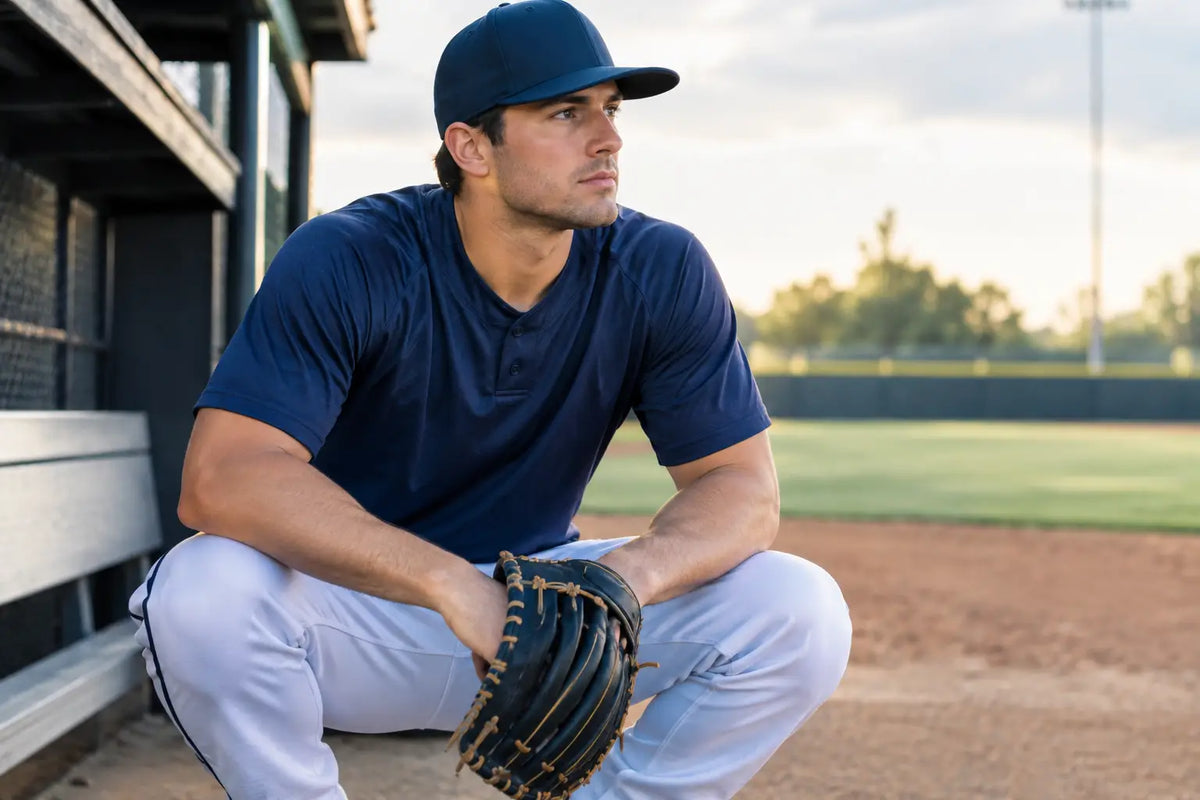
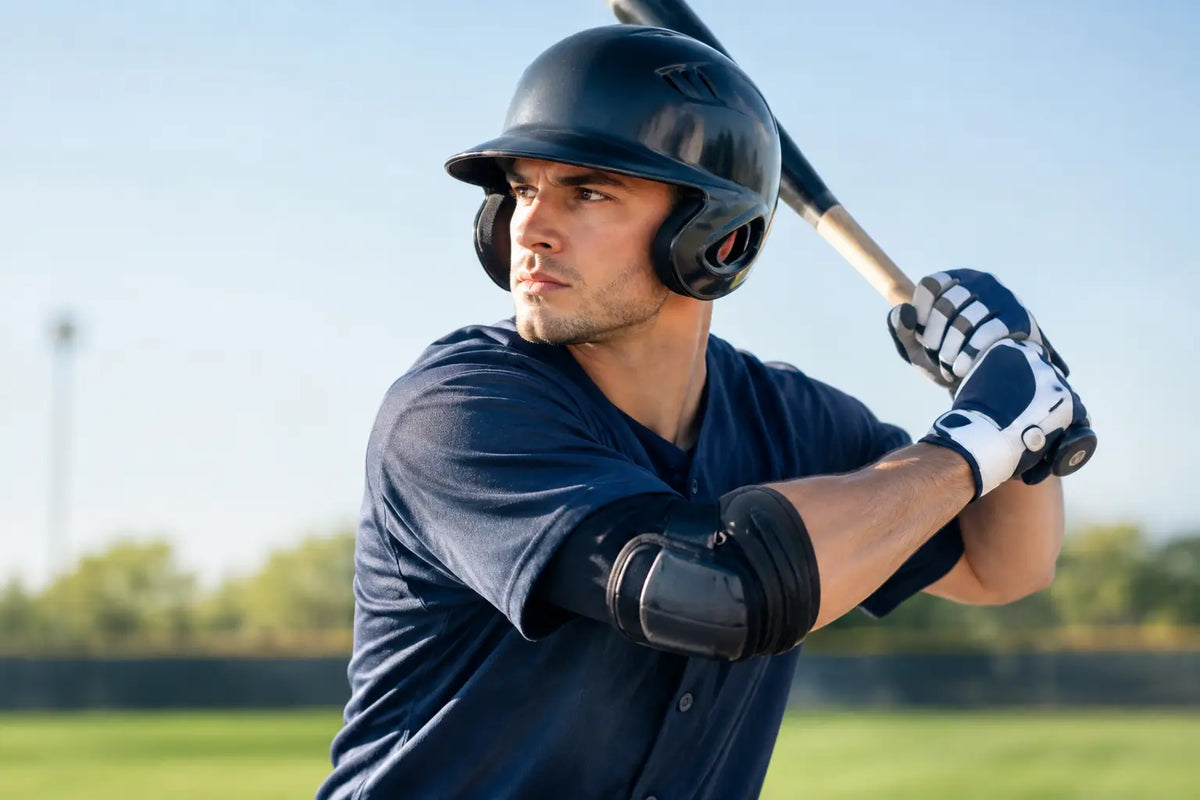
The uniform is on, the field is drying out, and first pitch is 20 minutes away. That is not the moment to find out a shirt rides up under a batting helmet, pants drag through the dirt, or a hoodie is too bulky to throw in. This youth baseball apparel guide breaks down what young players actually need to move freely, stay comfortable, and show up looking ready to compete.
For parents, the goal is simple: buy apparel that survives practices, tournament weekends, slides, laundry, and growth spurts. For players, it is about feeling locked in. The right gear will not make every ground ball easier, but it can remove distractions and help an athlete play with confidence. #BeAForce starts with being prepared.
Start With Fit, Not Just Size
Youth baseball apparel has to work in motion. A jersey that looks fine in the kitchen can feel restrictive during a throw. Pants that seem slightly long can catch under cleats, collect dirt, and become a distraction on the bases. Fit is the foundation of every smart purchase.
Start with the player’s current measurements rather than buying solely by age. Youth sizing varies between brands, especially through the waist, inseam, and shoulders. A player should be able to raise both arms overhead, take a full swing, squat into a fielding position, and slide a hand into a back pocket without tugging at the fabric.
Avoid sizing up too aggressively. A little room for growth makes sense, particularly for practice tops and outerwear. But oversized game pants can interfere with footwork, and a loose jersey can bunch beneath protective equipment. The best fit is athletic, not tight. It should move with the player without hanging off them.
Check the gear underneath
Apparel fit depends on what goes over and under it. Compression sleeves, sliding shorts, elbow guards, batting gloves, and chest protection all take up space. Have the player try on key layers together before removing tags. This is especially useful for catchers and hitters who wear protective gear every time they step in the box.
Build the Core Youth Baseball Apparel Kit
Most players do not need a closet full of baseball clothing. They need a dependable rotation that covers practices, games, weather changes, and laundry day. Start with quality basics, then add pieces based on position, climate, and how often the team plays.
A practical core kit includes at least two pairs of baseball pants, multiple moisture-wicking practice shirts, game jerseys as required by the team, baseball socks, a belt, sliding shorts, and a lightweight warm-up layer. Tournament families may want a third pair of pants and extra socks. A rainy Saturday or a doubleheader can turn one clean uniform into a problem fast.
For practice shirts, prioritize performance fabric over heavy cotton. Cotton can feel comfortable at first, but it holds sweat and gets heavy once drills pick up. Polyester blends and lightweight athletic materials dry faster and generally hold their shape better through repeated washes.
Baseball pants deserve extra attention because they take the most abuse. Look for reinforced knees if the player spends time catching, sliding, or practicing on hard infields. Some athletes prefer open-bottom pants for a relaxed fit over cleats, while others like elastic cuffs for a cleaner, more fitted look. Neither is automatically better. It comes down to comfort, team rules, and personal style.
Choose Fabrics That Can Handle the Season
Baseball is a dirt sport. Apparel needs to handle red clay, wet grass, sweat, sunscreen, and a ride home in the back seat after a long tournament day. Durable fabric matters, but so does breathability.
For warm-weather leagues, lightweight moisture-wicking material is usually the better play. It helps pull sweat away from the skin and can prevent a soaked shirt from becoming a distraction. Mesh panels or ventilated zones can help, particularly for players in hot, humid regions.
For early spring, fall ball, or cool night games, layering beats wearing one heavy piece. A fitted long-sleeve performance shirt under a jersey gives warmth without a bulky throwing restriction. A lightweight quarter-zip or hoodie works well before the game and between innings. Keep the throwing arm free and make sure the layer can come off quickly when the temperature rises.
Durability and softness can involve a trade-off. Heavier materials often last longer, while lighter fabrics feel cooler but may snag more easily. For a player who practices three or four days a week, investing in tougher pants and using lighter shirts for training is often a smart balance.
Keep Game-Day Colors Clean and Team-Ready
Youth baseball apparel should match team standards first. Before buying belts, socks, undershirts, or outerwear, check the coach’s uniform guidance. Some teams are strict about navy versus royal blue, pant styles, logo placement, and even sock color. A small mismatch can become a game-day headache.
Once the required uniform pieces are covered, let the player bring personality through approved accessories and practice gear. A sharp warm-up top, coordinated batting gloves, a clean belt, or a favorite training shirt can bring confidence without breaking team rules. Style belongs in baseball. The key is making sure it supports the uniform instead of competing with it.
White pants make a crisp statement, but they require more cleanup. Gray pants often hide dirt better and can be a practical choice for frequent practices. If the team gives players options, think honestly about the schedule and laundry routine. The best color is the one that looks ready when it is time to play.
Save the game uniform for games
It is tempting to let players wear their official jersey to practice, especially when it is their favorite shirt. But saving game apparel helps preserve color, numbers, and overall appearance. Use designated practice shirts for cages, field work, and backyard sessions. Game-day gear should feel fresh when it comes out of the bag.
Do Not Overlook the Pieces Players Feel Most
The small apparel pieces often make the biggest difference over nine innings. Baseball socks should stay up without digging into the calf. Belts should adjust easily and lie flat. Sliding shorts should provide coverage and support without restricting a player’s stride.
For youth athletes, compression gear is not about looking like a pro. It is about comfort. A well-fitted pair of sliding shorts can reduce friction during base running and give players more confidence when they learn to slide. Players who wear a protective cup need apparel designed to hold it securely and comfortably.
Base layers also matter. A short-sleeve compression top can reduce jersey movement and help manage sweat. Long sleeves can offer warmth and minor protection from sun or turf. However, a player who hates the feel of compression fabric will not benefit from being forced into it. Comfort wins. Let athletes test a few fits and fabrics until they find what they will actually wear.
Dress for Position, Weather, and Workload
A shortstop in July, a catcher on a cold April morning, and an outfielder playing a six-game weekend do not have exactly the same apparel needs. Build around the reality of the player’s role.
Catchers need durable, breathable base layers because their protective gear traps heat. Infielders may value reinforced knees and sliding shorts more than players who rarely hit the ground. Outfielders dealing with sun exposure can benefit from long sleeves, eye protection, and lightweight layers that do not overheat them.
Tournament weekends call for preparation, not overpacking. Bring a spare shirt, socks, underwear, a warm-up layer, and an extra pair of pants if possible. Pack wet-weather options when the forecast looks questionable. A dry shirt between games can reset a player’s comfort and mindset after a long first matchup.
Make Apparel Last Beyond Opening Day
The fastest way to burn through youth baseball apparel is treating it like regular laundry. Dirt, grass stains, and sweat need attention before they set. Turn jerseys and performance shirts inside out, wash them in cold water, and avoid using too much detergent. High heat can damage elastic fibers, shrink certain pieces, and wear down printed numbers or logos.
Treat stains promptly, especially on white pants. Letting red clay sit for days makes cleanup harder. Avoid harsh scrubbing on printed areas and do not toss muddy gear straight into a bag where it will stay damp overnight. A little post-game care keeps apparel looking sharper for longer.
Label everything. Youth dugouts, locker rooms, and tournament fields are full of identical navy hoodies and black belts. A name label inside a jacket or on a gear bag saves money and frustration.
Confidence Is Part of the Uniform
Youth baseball apparel should never become pressure for a player to look a certain way. The goal is not to dress them up like a major leaguer. The goal is to give them gear that fits, performs, and lets their personality show without getting in the way of the game.
When young athletes know their pants will stay put, their shirt will stay dry, and their layers will not restrict a throw, they can focus on the next pitch. That is the standard worth buying for: apparel that handles the work so the player can bring the force.