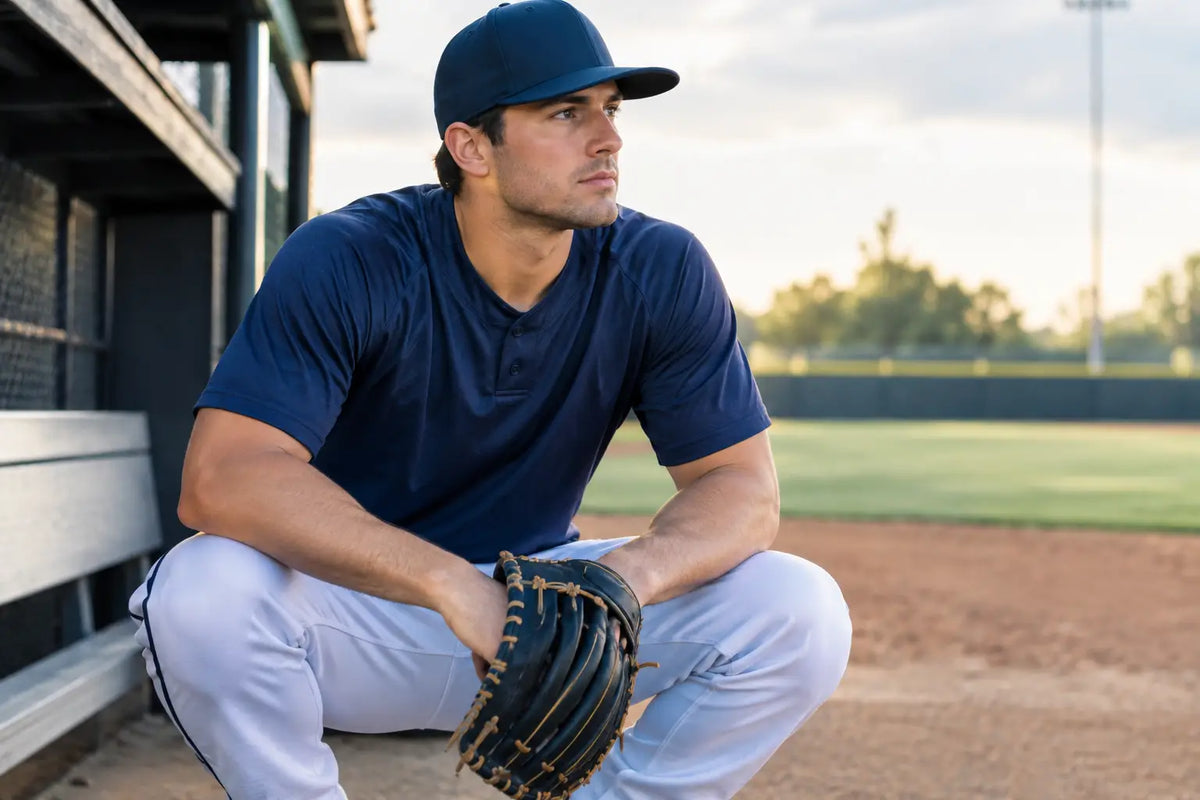
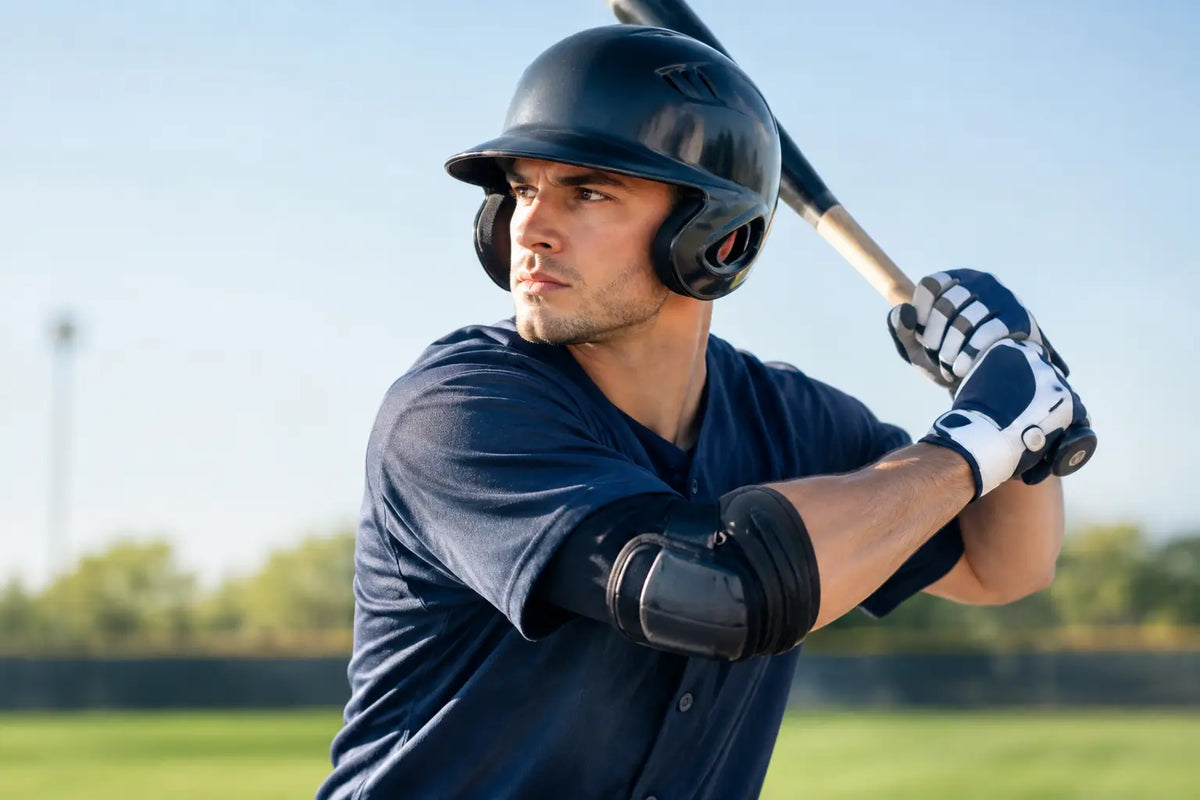
The first trip to the field can get expensive fast. A glove, cleats, bat, helmet, bag, batting gloves - suddenly a young player looks like they need a full pro locker. This youth baseball starter equipment guide cuts through the noise so you can buy the gear that matters, skip what can wait, and help your athlete show up ready to compete.
A new player does not need the flashiest setup. They need equipment that fits, holds up, and makes them feel comfortable taking ground balls, stepping into the box, and running hard through first base. Start with the essentials. Add the extras once baseball becomes part of their routine.
Youth Baseball Starter Equipment Guide: The Must-Haves
Every player needs a glove, batting helmet, bat, athletic shoes or cleats, and a way to carry their gear. Those are the non-negotiables for most youth leagues. If your athlete catches, pitches, or plays in a league with specific rules, their equipment list may grow from there.
The best first setup is not about buying everything at once. It is about matching the gear to the player's age, position, league rules, and level of commitment. A six-year-old trying tee-ball needs a different bag than a 12-year-old facing live pitching twice a week.
A glove that closes easily
The glove is where confidence starts. A youth player should be able to open, close, and control it without fighting stiff leather between every pitch. If the glove is too large or too rigid, catches turn into dropped balls and frustration.
For younger players, a smaller youth glove with an easy-close design is usually the right call. Many beginners fit well in the 9 to 10.5-inch range, while older youth players often move into 10.5 to 11.5 inches depending on position. Infielders generally benefit from a smaller, more controlled glove. Outfielders may prefer a little more length and reach.
Have your player try it on with their throwing hand free. They should be able to squeeze the glove shut and move their wrist naturally. Avoid sizing up too aggressively just because they will grow. A glove that fits now helps them make plays now.
A certified batting helmet
A batting helmet is not a place to compromise. Choose a helmet approved for your league, with the required safety certification and a secure fit. It should sit level on the head, cover the ears, and stay in place when the player shakes their head or runs.
Some leagues require a face guard or jaw guard, especially for younger divisions. Check before buying. A helmet can look great, but its real job is to protect against an unpredictable pitch or backswing. If it is cracked, heavily scuffed from impact, or no longer fits, replace it.
A bat that feels controlled
Bat rules vary by league, so check the required stamp, barrel diameter, length, and drop before making a purchase. This step prevents the painful game-day surprise of showing up with a bat that cannot be used.
For a beginner, control beats raw length. A bat that is too heavy can wreck swing mechanics before they have a chance to develop. Have the player hold the bat straight out with one hand for a few seconds. If they cannot control it, it is probably too heavy. A shorter, lighter bat can help them swing with balance and make contact more consistently.
Alloy bats are a practical starting point because they are durable and ready to use right away. Composite models can offer a different feel and performance profile, but they cost more and are not necessary for every first-season player. Spend based on commitment, not pressure from the dugout.
Cleats or athletic shoes
Footwear depends on the field surface and league rules. Rubber or molded cleats provide traction on dirt and grass without the maintenance concerns of metal spikes, which are often not allowed in younger divisions. For tee-ball or casual early practices, athletic shoes may be acceptable, but cleats can make a noticeable difference once players are running bases and changing direction.
Fit matters more than brand. Leave a little room at the toe, but not enough for the foot to slide around. Blisters and unstable footing are distractions no young player needs. Break new cleats in during practice, not five minutes before the first game.
A simple equipment bag
A bag keeps the glove, helmet, bat, water bottle, and small essentials in one place. That means less scrambling in the parking lot and fewer forgotten items at practice. A basic backpack-style baseball bag works well for younger players, while an older athlete with multiple bats may need a larger model with exterior bat sleeves.
Do not overthink it. A bag should be durable, easy for the player to carry, and big enough for the gear they use every week. Let them take ownership of packing it. Learning to check their own bag is part of becoming a reliable teammate.
Add Protection Where the Game Demands It
Once the core gear is covered, protective equipment becomes the next priority. What you need depends on the position and how often the player faces live pitching.
A protective cup is standard for many boys' leagues and strongly recommended whenever a player is in the field. It needs to fit correctly inside supportive compression shorts or a jockstrap. This is practical gear, not optional swag.
Batting gloves are not required, but many players like the grip, comfort, and confidence they provide. They can reduce the sting of repeated swings and help hands feel secure on the handle. Look for a snug fit without pinched fingers or excess material in the palm. For players who practice often, a quality pair can be a smart add-on.
An elbow guard becomes more useful as pitching gets faster and less predictable. It is especially valuable for players who crowd the plate, face machine pitching, or simply play better when they feel protected. The same goes for a sliding mitt, though that is more of a later purchase for players who are regularly stealing bases and learning aggressive slides.
Catchers need a separate conversation. A complete catcher’s set includes a helmet or mask, chest protector, leg guards, catcher’s mitt, and usually a protective cup. Do not buy this setup unless the player is actually catching, and ask the league first. Some programs provide shared catcher’s gear for early divisions. A personal set makes more sense when catching becomes a regular role.
Fit Beats Hype Every Time
Young athletes grow quickly, and that creates a real buying trade-off. You want equipment that lasts, but gear that is too big can get in the way of skill development and safety. A helmet that shifts, a glove that swallows the hand, or cleats with too much space can make a player feel awkward before the game even begins.
Whenever possible, try on helmets, gloves, cleats, batting gloves, and guards. Move in them. Squat, throw, swing, and run. A player should not have to adjust their equipment constantly. The right gear disappears into the game.
There is also no need to chase a matching set from day one. Build around quality essentials, then let your athlete choose a few pieces that show personality. A sharp pair of batting gloves or a clean protective guard can bring the confidence factor without turning the purchase into a full uniform overhaul. At Vi Athletics, that mix of performance and presence is the point: show up prepared, look like you belong, and play with force.
What Can Wait Until Later
Parents often feel pressure to buy training tools before a player has taken their first round of ground balls. Resist it. Pitching machines, weighted balls, multiple specialty bats, expensive sunglasses, and advanced protective accessories can wait until the athlete has a clearer role and routine.
The same applies to premium gear. A higher price can reflect better materials, but it does not automatically make a beginner better. Put your budget toward safe, properly fitting equipment first. If the player sticks with the sport, practices consistently, and starts identifying what they need, upgrades will mean more later.
Keep a few low-cost practice basics around: a baseball or two, a water bottle, sunscreen, and a small towel for dusty hands. Those items will get more use than many trendy extras. Label every piece of gear, especially helmets and gloves. Youth baseball fields have a remarkable ability to turn identical black bags into a mystery.
Build a Game-Ready Routine
The best equipment setup still needs a routine behind it. Before each practice or game, have your player check their glove, helmet, bat, cleats, water, and any required protective gear. That habit gives them ownership and reduces last-minute stress for everyone.
After play, air out the glove and batting gloves instead of leaving damp gear sealed in a bag. Wipe dirt from cleats, inspect the helmet for damage, and keep the bat out of extreme heat. Small habits extend the life of the equipment and teach respect for the game.
Your athlete does not need a perfect bag to earn their place on the field. Give them gear that fits, protects, and lets them move with confidence. Then let the reps do the rest. #BeAForce when the ball finds you.